2025 Insured Losses Reach $107B Due to LA Fires and Severe Convective Storms in the US
Insured losses from natural catastrophes are projected to exceed the US$100 billion mark in 2025 for the sixth consecutive year. This surge is primarily attributed to the record Los Angeles wildfires in January and severe convective storms (SCS) across the United States, as highlighted in a report from Swiss Re Institute.
According to Swiss Re, the total global insured losses for 2025 are estimated at US$107 billion, which is a significant decrease of 24% from the US$141 billion recorded in 2024. Notably, the United States accounts for a staggering 83% of these losses, amounting to US$89 billion.
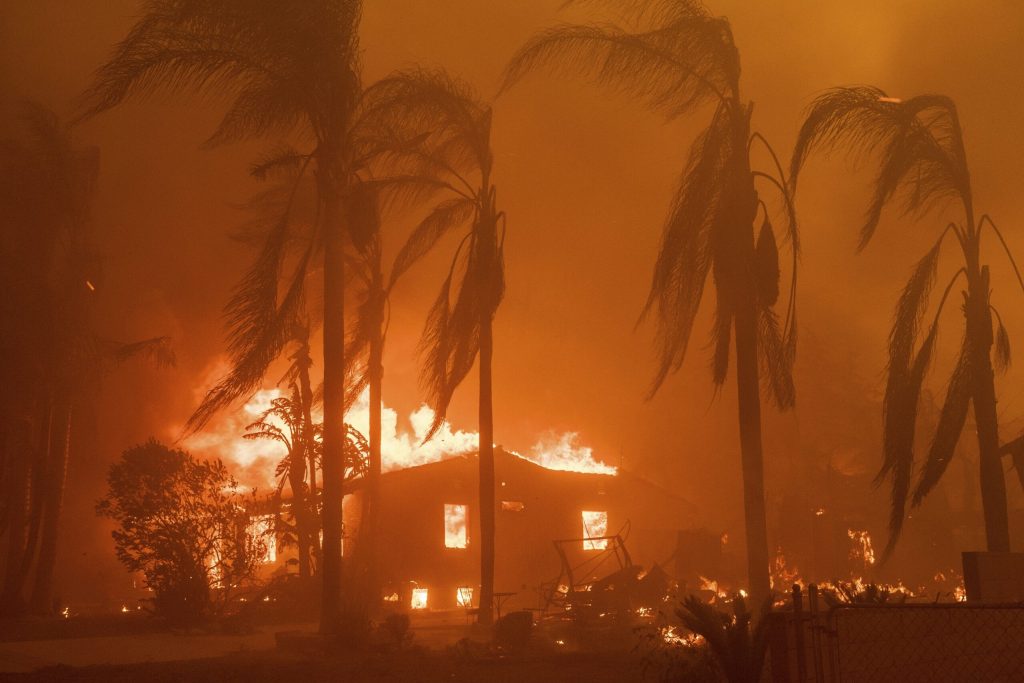
The wildfires in Los Angeles have set a new record, marking the costliest wildfire event globally with insured losses reaching US$40 billion.
SCS Major Contributor to Nat Cat Losses
Severe convective storms continue to be a major contributor to global natural catastrophe losses, with claims expected to hit US$50 billion in 2025. This marks the third costliest year for SCS, following 2023 and 2024, and reflects a multi-year upward trend, according to Swiss Re.
The first half of the year saw significant SCS activity in the US, characterized by several tornado outbreaks in March and May, which resulted in above-average tornado and wind reports. Hail activity, however, remained close to average. In the latter half of the year, SCS activity continued, but both hail and broader thunderstorms fell below seasonal norms.
In Europe, notable hailstorms occurred in May and June, although insured losses were limited as the most intense activity affected regions with lower concentrations of high-value exposure. Balz Grollimund, Swiss Re’s head of Catastrophe Perils, commented, “We are observing a steady rise in losses from severe convective storms. Urbanization in hazard-prone areas, rising asset values, higher construction costs, and factors such as aging roofs have made these storms a key peril for insurers.”
Grollimund further emphasized, “As single events rarely result in a large insured loss, it is crucial for insurers to consider the cumulative effect of frequent, low-loss events, along with increasing property values and repair costs. A more holistic view of this peril is critical to assure proper underwriting and risk management.”
On a more positive note, Swiss Re noted a relatively benign year for hurricane claims, as no hurricanes made landfall on the US coast. However, the North Atlantic tropical cyclone season recorded 13 named storms, including 5 hurricanes and 4 major hurricanes, with three reaching Category 5 status: Erin, Humberto, and Melissa. Hurricane Melissa, which impacted Jamaica in October, was the costliest hurricane of the year, with estimated insured losses of up to US$2.5 billion.
Economic losses from global natural catastrophes in 2025 are estimated at US$220 billion, a decrease from US$337 billion in 2024. This figure includes insured loss totals. Additionally, economic losses from man-made disasters in 2025 are estimated at US$13 billion, up from US$11 billion in 2024, while insured losses from man-made events are projected to be US$11 billion, compared to US$9 billion in the previous year.
Photograph: A home burns in the Eaton Fire in Altadena, Calif., Jan. 8, 2025. (AP Photo/Nic Coury, File)
Topics
USA
Profit Loss
Louisiana
Windstorm
Interested in Profit Loss?
Get automatic alerts for this topic.
Insured losses from natural catastrophes are projected to exceed the US$100 billion mark in 2025 for the sixth consecutive year. This surge is primarily attributed to the record Los Angeles wildfires in January and severe convective storms (SCS) across the United States, as highlighted in a report from Swiss Re Institute.
According to Swiss Re, the total global insured losses for 2025 are estimated at US$107 billion, which is a significant decrease of 24% from the US$141 billion recorded in 2024. Notably, the United States accounts for a staggering 83% of these losses, amounting to US$89 billion.
The wildfires in Los Angeles have set a new record, marking the costliest wildfire event globally with insured losses reaching US$40 billion.
SCS Major Contributor to Nat Cat Losses
Severe convective storms continue to be a major contributor to global natural catastrophe losses, with claims expected to hit US$50 billion in 2025. This marks the third costliest year for SCS, following 2023 and 2024, and reflects a multi-year upward trend, according to Swiss Re.
The first half of the year saw significant SCS activity in the US, characterized by several tornado outbreaks in March and May, which resulted in above-average tornado and wind reports. Hail activity, however, remained close to average. In the latter half of the year, SCS activity continued, but both hail and broader thunderstorms fell below seasonal norms.
In Europe, notable hailstorms occurred in May and June, although insured losses were limited as the most intense activity affected regions with lower concentrations of high-value exposure. Balz Grollimund, Swiss Re’s head of Catastrophe Perils, commented, “We are observing a steady rise in losses from severe convective storms. Urbanization in hazard-prone areas, rising asset values, higher construction costs, and factors such as aging roofs have made these storms a key peril for insurers.”
Grollimund further emphasized, “As single events rarely result in a large insured loss, it is crucial for insurers to consider the cumulative effect of frequent, low-loss events, along with increasing property values and repair costs. A more holistic view of this peril is critical to assure proper underwriting and risk management.”
On a more positive note, Swiss Re noted a relatively benign year for hurricane claims, as no hurricanes made landfall on the US coast. However, the North Atlantic tropical cyclone season recorded 13 named storms, including 5 hurricanes and 4 major hurricanes, with three reaching Category 5 status: Erin, Humberto, and Melissa. Hurricane Melissa, which impacted Jamaica in October, was the costliest hurricane of the year, with estimated insured losses of up to US$2.5 billion.
Economic losses from global natural catastrophes in 2025 are estimated at US$220 billion, a decrease from US$337 billion in 2024. This figure includes insured loss totals. Additionally, economic losses from man-made disasters in 2025 are estimated at US$13 billion, up from US$11 billion in 2024, while insured losses from man-made events are projected to be US$11 billion, compared to US$9 billion in the previous year.
Photograph: A home burns in the Eaton Fire in Altadena, Calif., Jan. 8, 2025. (AP Photo/Nic Coury, File)
Topics
USA
Profit Loss
Louisiana
Windstorm
Interested in Profit Loss?
Get automatic alerts for this topic.