5 Common Methods For Diagnosing Chronic Kidney Disease

If you suspect you might have a kidney issue, you’re not alone in hesitating to see a doctor. Many people delay seeking medical advice, but it’s crucial to understand that early detection of chronic kidney disease (CKD) can significantly improve your health outcomes.
Fear of extensive testing or the implications of a diagnosis often keeps individuals from visiting their healthcare provider. However, timely testing and diagnosis are essential first steps in managing any health condition. Ignoring potential issues can lead to more severe health complications down the line.
Doctors have various methods to assess kidney health and functionality. Here are some of the most common testing methods.
The Importance of Tests in Chronic Kidney Disease Treatment
Delaying a visit to the doctor to check your kidney health can be a significant mistake. If you postpone testing for chronic kidney disease, it can adversely affect your long-term health.
Early diagnosis has been shown to reduce morbidity and mortality rates among individuals with CKD. The sooner you receive a diagnosis, the less damage the condition can inflict on your body without your knowledge.
Effective treatment for chronic kidney disease hinges on an accurate diagnosis. Understanding the importance of protecting your kidney health can motivate you to adopt necessary lifestyle changes and adhere to prescribed treatments.
Receiving a diagnosis is not the end; rather, it’s an opportunity to reassess your health and make informed choices that can enhance your quality of life.
Tests for Chronic Kidney Disease
There’s no need to fear these tests. Most are noninvasive, and even the more invasive procedures, like biopsies, are relatively mild.
Urinalysis
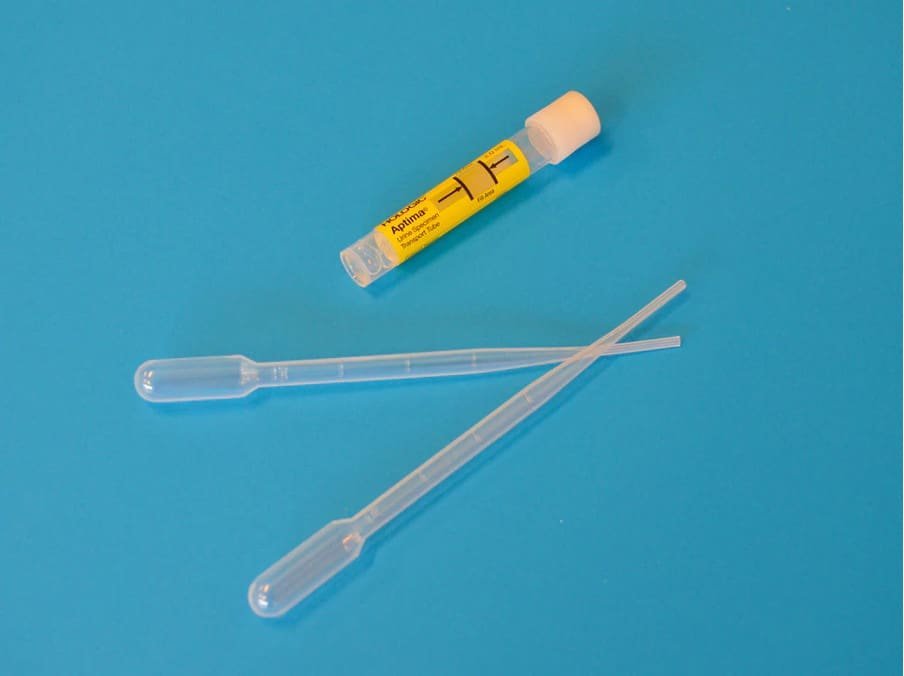
Urinalysis is often one of the first steps in diagnosing kidney issues. You simply need to provide a urine sample, which can be collected at your doctor’s office. It’s advisable to avoid using the restroom before your visit to ensure an adequate sample.
The urine sample will be tested for irregularities, such as elevated levels of a protein called albumin. Normally, albumin is filtered back into the bloodstream, but when kidney function declines, it may appear in your urine. The presence of albumin can indicate potential kidney damage.
Blood Analysis
Since your kidneys filter your blood, measuring the concentration of compounds like creatinine is another standard diagnostic method. This is often assessed through your glomerular filtration rate (GFR).
The glomeruli in your kidneys should efficiently filter your blood, resulting in a high GFR. Ideally, your GFR should be over 90, indicating 90% kidney efficiency. Anything below 60 may suggest kidney damage.
Ultrasound Imaging
Your doctor may refer you for a kidney ultrasound, allowing specialists to examine the size and shape of your kidneys for any irregularities that could indicate poor function.
Ultrasound imaging can reveal abnormalities or other sources of kidney disease, such as cysts.
Biopsy
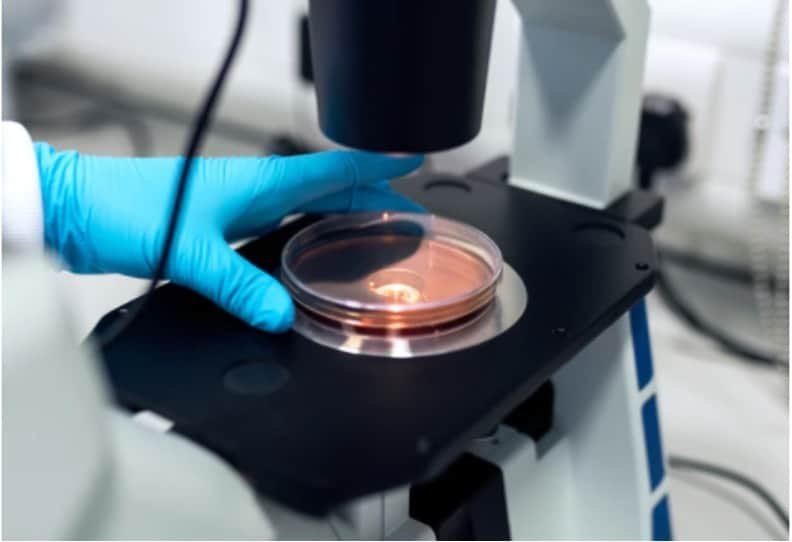
In cases of severe kidney damage, a biopsy may be necessary. This procedure involves removing a small sample of kidney tissue through a thin needle, which is then analyzed in a lab. While this is the most effective diagnostic method, it’s not required for everyone.
Diagnosing End-Stage Renal Disease
Blood analysis can also help clinicians gauge the progression of chronic kidney disease. If your GFR falls below 15, it indicates end-stage renal disease, meaning your kidneys can no longer filter blood effectively.
At this stage, dialysis may be necessary to perform the filtering functions of healthy kidneys. This underscores the importance of seeking medical attention early.
Recognizing that early diagnosis of kidney disease leads to better outcomes is crucial. Your healthcare provider will work with you to ensure you feel comfortable and informed throughout the testing process, empowering you to take charge of your kidney health.
If you suspect you might have a kidney issue, you’re not alone in hesitating to see a doctor. Many people delay seeking medical advice, but it’s crucial to understand that early detection of chronic kidney disease (CKD) can significantly improve your health outcomes.
Fear of extensive testing or the implications of a diagnosis often keeps individuals from visiting their healthcare provider. However, timely testing and diagnosis are essential first steps in managing any health condition. Ignoring potential issues can lead to more severe health complications down the line.
Doctors have various methods to assess kidney health and functionality. Here are some of the most common testing methods.
The Importance of Tests in Chronic Kidney Disease Treatment
Delaying a visit to the doctor to check your kidney health can be a significant mistake. If you postpone testing for chronic kidney disease, it can adversely affect your long-term health.
Early diagnosis has been shown to reduce morbidity and mortality rates among individuals with CKD. The sooner you receive a diagnosis, the less damage the condition can inflict on your body without your knowledge.
Effective treatment for chronic kidney disease hinges on an accurate diagnosis. Understanding the importance of protecting your kidney health can motivate you to adopt necessary lifestyle changes and adhere to prescribed treatments.
Receiving a diagnosis is not the end; rather, it’s an opportunity to reassess your health and make informed choices that can enhance your quality of life.
Tests for Chronic Kidney Disease
There’s no need to fear these tests. Most are noninvasive, and even the more invasive procedures, like biopsies, are relatively mild.
Urinalysis
Urinalysis is often one of the first steps in diagnosing kidney issues. You simply need to provide a urine sample, which can be collected at your doctor’s office. It’s advisable to avoid using the restroom before your visit to ensure an adequate sample.
The urine sample will be tested for irregularities, such as elevated levels of a protein called albumin. Normally, albumin is filtered back into the bloodstream, but when kidney function declines, it may appear in your urine. The presence of albumin can indicate potential kidney damage.
Blood Analysis
Since your kidneys filter your blood, measuring the concentration of compounds like creatinine is another standard diagnostic method. This is often assessed through your glomerular filtration rate (GFR).
The glomeruli in your kidneys should efficiently filter your blood, resulting in a high GFR. Ideally, your GFR should be over 90, indicating 90% kidney efficiency. Anything below 60 may suggest kidney damage.
Ultrasound Imaging
Your doctor may refer you for a kidney ultrasound, allowing specialists to examine the size and shape of your kidneys for any irregularities that could indicate poor function.
Ultrasound imaging can reveal abnormalities or other sources of kidney disease, such as cysts.
Biopsy
In cases of severe kidney damage, a biopsy may be necessary. This procedure involves removing a small sample of kidney tissue through a thin needle, which is then analyzed in a lab. While this is the most effective diagnostic method, it’s not required for everyone.
Diagnosing End-Stage Renal Disease
Blood analysis can also help clinicians gauge the progression of chronic kidney disease. If your GFR falls below 15, it indicates end-stage renal disease, meaning your kidneys can no longer filter blood effectively.
At this stage, dialysis may be necessary to perform the filtering functions of healthy kidneys. This underscores the importance of seeking medical attention early.
Recognizing that early diagnosis of kidney disease leads to better outcomes is crucial. Your healthcare provider will work with you to ensure you feel comfortable and informed throughout the testing process, empowering you to take charge of your kidney health.