5 Facts About the Real Causes of Back Pain
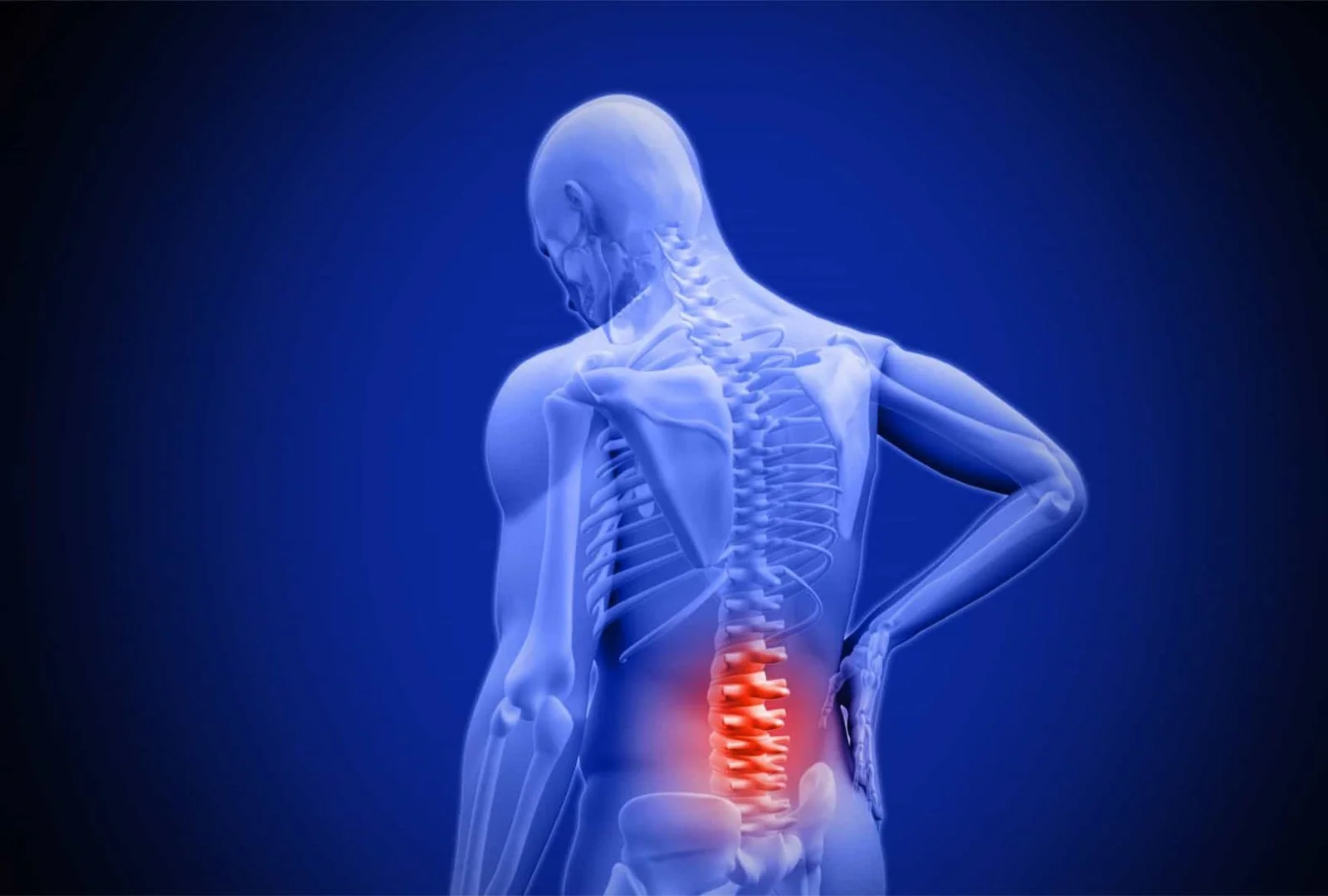
Back pain is a prevalent issue, contributing significantly to disability cases worldwide. Its causes are varied and can include factors such as collisions, injuries, poor posture, aging, wear and tear, arthritis, and other medical conditions like shingles or spinal infections.
The likelihood of experiencing back pain often depends on your occupation, health status, activity level, and age. However, it’s important to note that back pain can affect anyone, regardless of these factors.
If you or someone you know is dealing with back pain and is uncertain about its origin, this article will explore the various causes and symptoms of back pain, helping you gain a better understanding of its roots.
We will also cover treatment options, both self-administered and medically supervised, as well as preventative measures to help you avoid reaching a point of pain and injury.
Chronic back pain can be uncomfortable and debilitating. However, by adopting a proactive approach to your health and giving it the attention it deserves, back pain can be effectively managed.
Causes of Back Pain
Back pain is a common complaint, with millions experiencing it daily. It is the leading cause of disability in both America and globally.
If you are suffering from back pain, whether chronic or acute, you are not alone. Fortunately, there are various treatments available, and back pain can often be managed effectively depending on its severity.
Back pain manifests in numerous forms, including strains, sprains, herniated discs, degenerative disorders, arthritis, deformities, infections, and tumors. The specific cause of your back pain can often be inferred from its location. For instance, spinal discomfort may indicate a herniated disc or degenerative condition, while acute lower back pain might result from overuse injuries, poor posture, or weakness in the posterior chain. Trauma can also lead to significant pain throughout the back and other areas of the body.
Here are several common and uncommon causes of back pain:
- Trauma (e.g., collision, car accident)
- Arthritis
- Benign Tumor
- Infection
- Osteoporosis
- Overuse Injury (e.g., spasm, muscular tension, strain, sprain, fracture)
- Disc disease (e.g., ruptured, bulging, herniated)
- Sciatica
- Scoliosis
- Shingles
- Cancer of the Spine
- Kidney Problems
- Osteomyelitis
These causes, while not exhaustive, represent a wide array of potential origins for your back pain:
- Often result from everyday activities such as heavy lifting.
- Twisting the wrong way.
- Sitting in poor positions for extended periods.
Other causes may stem from more severe medical conditions, including cancer, autoimmune disorders, and traumatic accidents.
Symptoms of Back Pain
The most noticeable symptoms of back pain include general aches and tenderness around the affected area. Depending on the severity, these symptoms may radiate down your legs or to other parts of the body.

If you’ve “thrown out your back” due to misuse or overuse, it’s typically a minor strain, and symptoms often improve quickly with rest. However, if you’ve sustained more significant damage, medical attention and more intensive treatment may be necessary.
Below are several associated symptoms of back pain:
• Aching in the lower back
• Shooting pain through the sciatic nerve
• Stiffness and tenderness
• Debilitation and poor mobility
• Numbness or weakness
• Inability to sleep or find comfort
• Loss of internal control systems (e.g., bowel and bladder)
• Muscle spasms
While some symptoms may be more severe than others, many are treatable.
How to Treat or Prevent Back Pain
A common theme in managing back pain, or any physical discomfort, is lifestyle changes. If you’re experiencing pain and are unsure of its cause, it can often be alleviated through exercise, diet, and eliminating poor habits. While it may seem surprising that diet and exercise can impact pain levels, they play a crucial role in overall physiological health.
For those who have suffered a traumatic injury or live with chronic conditions like arthritis or sciatic nerve damage, treatment may require more extensive medical intervention.
While prevention is always the best medicine, here are some effective treatments for managing back injuries, whether mild or severe:
• Lifestyle changes (e.g., diet and exercise)
• Steroidal injections
• Anti-inflammatory prescription medications
• Muscle relaxants
• Surgical procedures
• Rest and recovery
• Postural improvements
• Physical rehabilitation
Adopting a proactive and preventative approach to your health is essential. Seeking professional help promptly and taking necessary steps to optimize your rehabilitation journey can lead to better outcomes.
Back pain is a prevalent issue, contributing significantly to disability cases worldwide. Its causes are varied and can include factors such as collisions, injuries, poor posture, aging, wear and tear, arthritis, and other medical conditions like shingles or spinal infections.
The likelihood of experiencing back pain often depends on your occupation, health status, activity level, and age. However, it’s important to note that back pain can affect anyone, regardless of these factors.
If you or someone you know is dealing with back pain and is uncertain about its origin, this article will explore the various causes and symptoms of back pain, helping you gain a better understanding of its roots.
We will also cover treatment options, both self-administered and medically supervised, as well as preventative measures to help you avoid reaching a point of pain and injury.
Chronic back pain can be uncomfortable and debilitating. However, by adopting a proactive approach to your health and giving it the attention it deserves, back pain can be effectively managed.
Causes of Back Pain
Back pain is a common complaint, with millions experiencing it daily. It is the leading cause of disability in both America and globally.
If you are suffering from back pain, whether chronic or acute, you are not alone. Fortunately, there are various treatments available, and back pain can often be managed effectively depending on its severity.
Back pain manifests in numerous forms, including strains, sprains, herniated discs, degenerative disorders, arthritis, deformities, infections, and tumors. The specific cause of your back pain can often be inferred from its location. For instance, spinal discomfort may indicate a herniated disc or degenerative condition, while acute lower back pain might result from overuse injuries, poor posture, or weakness in the posterior chain. Trauma can also lead to significant pain throughout the back and other areas of the body.
Here are several common and uncommon causes of back pain:
- Trauma (e.g., collision, car accident)
- Arthritis
- Benign Tumor
- Infection
- Osteoporosis
- Overuse Injury (e.g., spasm, muscular tension, strain, sprain, fracture)
- Disc disease (e.g., ruptured, bulging, herniated)
- Sciatica
- Scoliosis
- Shingles
- Cancer of the Spine
- Kidney Problems
- Osteomyelitis
These causes, while not exhaustive, represent a wide array of potential origins for your back pain:
- Often result from everyday activities such as heavy lifting.
- Twisting the wrong way.
- Sitting in poor positions for extended periods.
Other causes may stem from more severe medical conditions, including cancer, autoimmune disorders, and traumatic accidents.
Symptoms of Back Pain
The most noticeable symptoms of back pain include general aches and tenderness around the affected area. Depending on the severity, these symptoms may radiate down your legs or to other parts of the body.
If you’ve “thrown out your back” due to misuse or overuse, it’s typically a minor strain, and symptoms often improve quickly with rest. However, if you’ve sustained more significant damage, medical attention and more intensive treatment may be necessary.
Below are several associated symptoms of back pain:
• Aching in the lower back
• Shooting pain through the sciatic nerve
• Stiffness and tenderness
• Debilitation and poor mobility
• Numbness or weakness
• Inability to sleep or find comfort
• Loss of internal control systems (e.g., bowel and bladder)
• Muscle spasms
While some symptoms may be more severe than others, many are treatable.
How to Treat or Prevent Back Pain
A common theme in managing back pain, or any physical discomfort, is lifestyle changes. If you’re experiencing pain and are unsure of its cause, it can often be alleviated through exercise, diet, and eliminating poor habits. While it may seem surprising that diet and exercise can impact pain levels, they play a crucial role in overall physiological health.
For those who have suffered a traumatic injury or live with chronic conditions like arthritis or sciatic nerve damage, treatment may require more extensive medical intervention.
While prevention is always the best medicine, here are some effective treatments for managing back injuries, whether mild or severe:
• Lifestyle changes (e.g., diet and exercise)
• Steroidal injections
• Anti-inflammatory prescription medications
• Muscle relaxants
• Surgical procedures
• Rest and recovery
• Postural improvements
• Physical rehabilitation
Adopting a proactive and preventative approach to your health is essential. Seeking professional help promptly and taking necessary steps to optimize your rehabilitation journey can lead to better outcomes.