7 Common Post-Stroke Complications in Older Adults
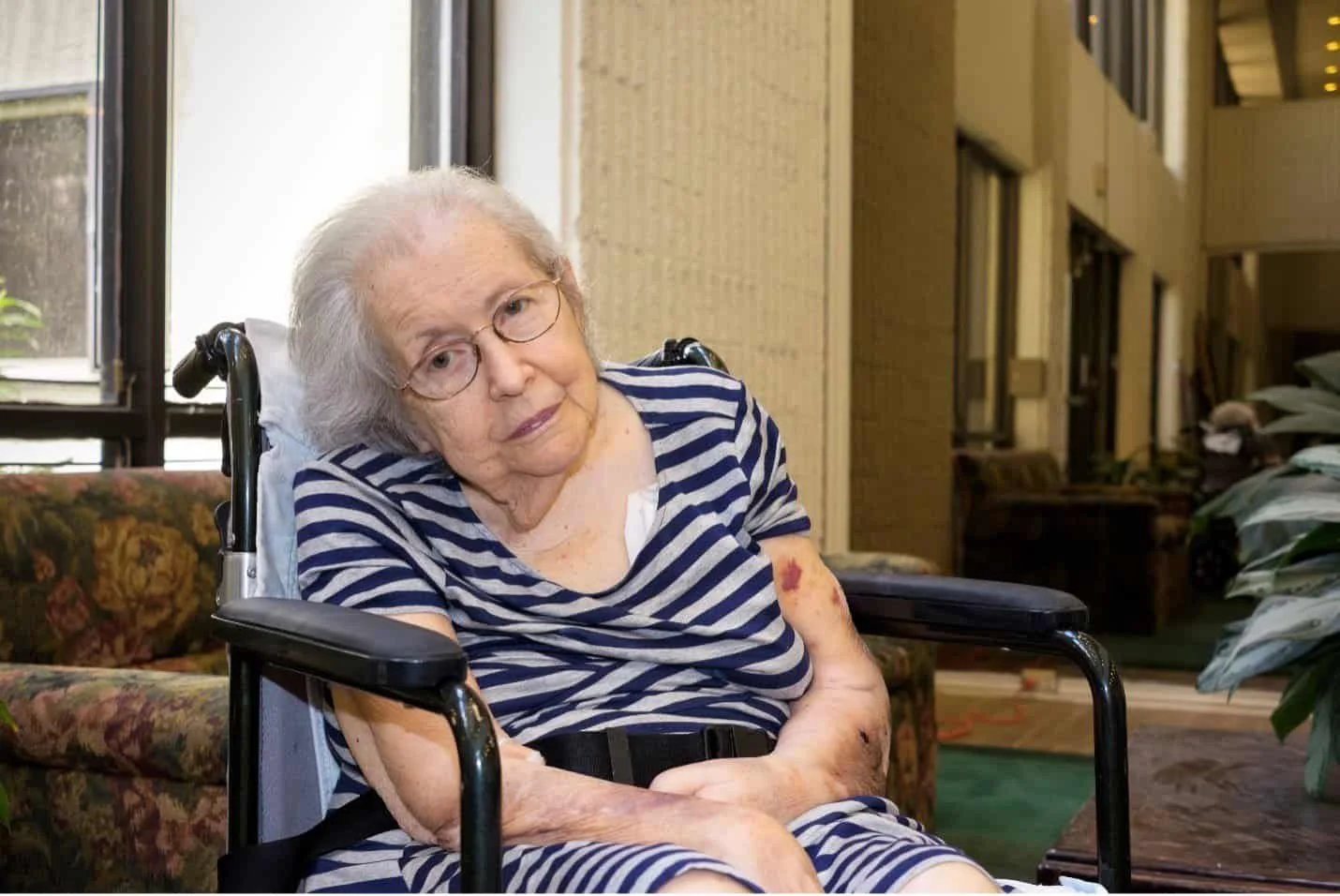
A cerebral vascular accident, commonly known as a stroke, is a critical medical condition that necessitates immediate attention from healthcare professionals. The sooner a stroke is treated, the better the potential outcomes. Unfortunately, many individuals experience delays in treatment for various reasons, leading to significant neurological deficits. For instance, older adults who suffer a stroke may face additional medical complications that require effective management to avoid further health issues.
While strokes can affect younger individuals, they predominantly occur in older populations. According to the American Heart Association, nearly 17% of all stroke incidents involve patients over the age of 85.
In this article, we will explore some common complications that can arise during post-stroke recovery, including difficulties with swallowing, mobility, and communication.
Characteristics Of A Stroke
Ranked as the fourth leading cause of mortality in the U.S., strokes result in more severe long-term effects than many other diseases. A stroke occurs when there is a lack of blood supply to a part of the brain, typically due to a blockage in a blood vessel or a rupture that leads to hemorrhage. An ischemic stroke is caused by a blockage or clot, while a hemorrhagic stroke results from a blood vessel rupture.
Types of Post-Stroke Complications
Various complications can arise after a stroke, with the severity of the stroke often correlating with the likelihood of these complications. Many individuals may experience cognitive or physical deterioration, including memory issues, muscle weakness, and even depression.
Prompt treatment within the first 12 to 24 hours of stroke symptoms can significantly reduce the severity of complications. Below are some common post-stroke complications:
• Swallowing and Eating Issues
• Difficulty Ambulating
• Speech and Communication Issues
Swallowing and Eating Issues
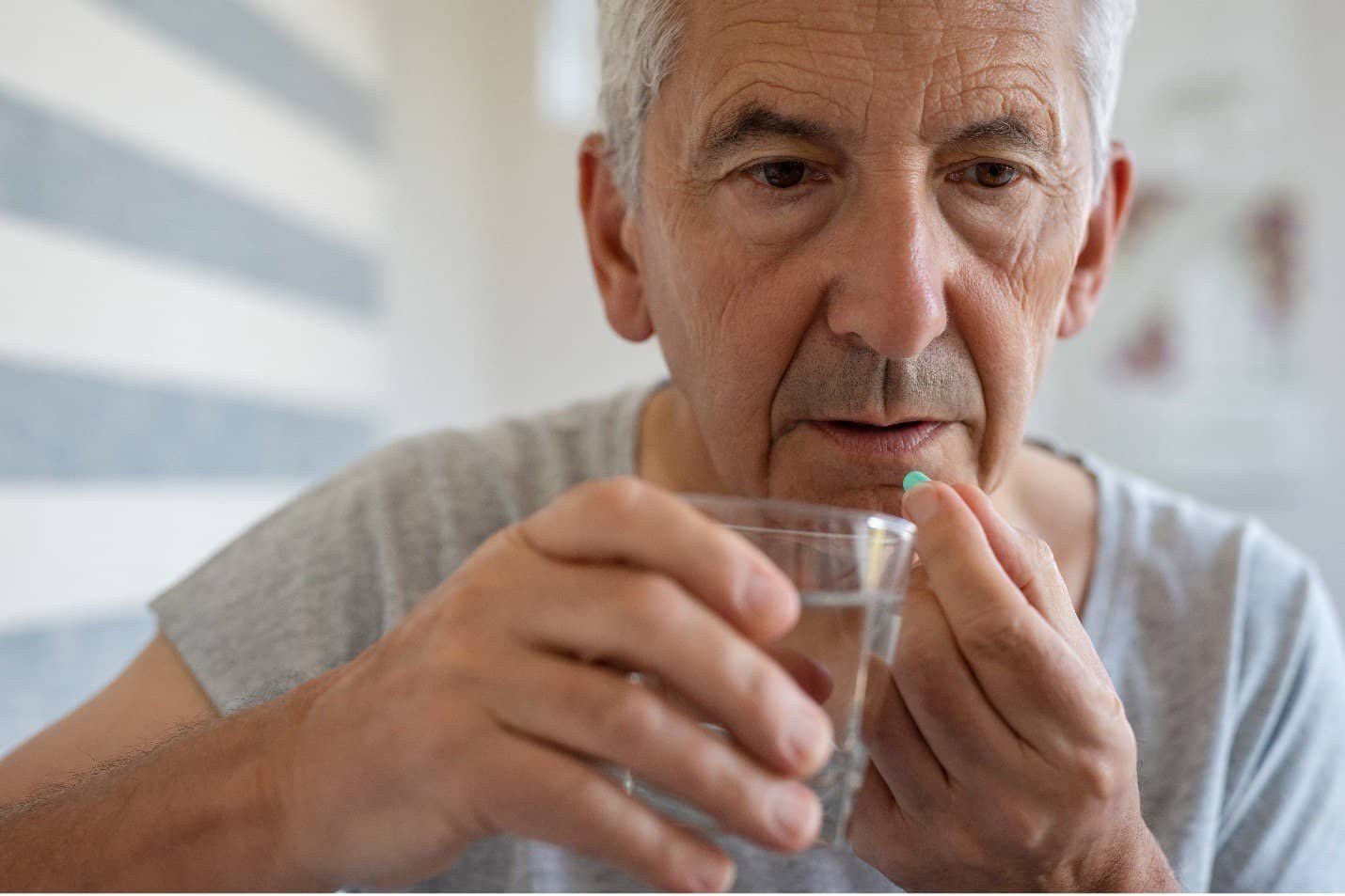
Dysphagia, or difficulty swallowing, is a common post-stroke condition, particularly among elderly patients. The muscles responsible for swallowing may not function properly, making it challenging for food or liquids to move from the throat to the stomach. This dysfunction can lead to serious complications such as pneumonia and malnutrition.
Retraining oneself to eat and swallow safely is often necessary, typically involving a combination of speech therapy, monitored swallowing techniques, and other compensatory measures.
Difficulty with Mobility
Motor impairment is one of the most common consequences of a stroke, resulting from the loss of brain control over specific muscles. In some cases, the brain may become atrophic after the injury, leading to chronic issues such as dorsiflexion of the feet and ankles in paralyzed lower extremities.
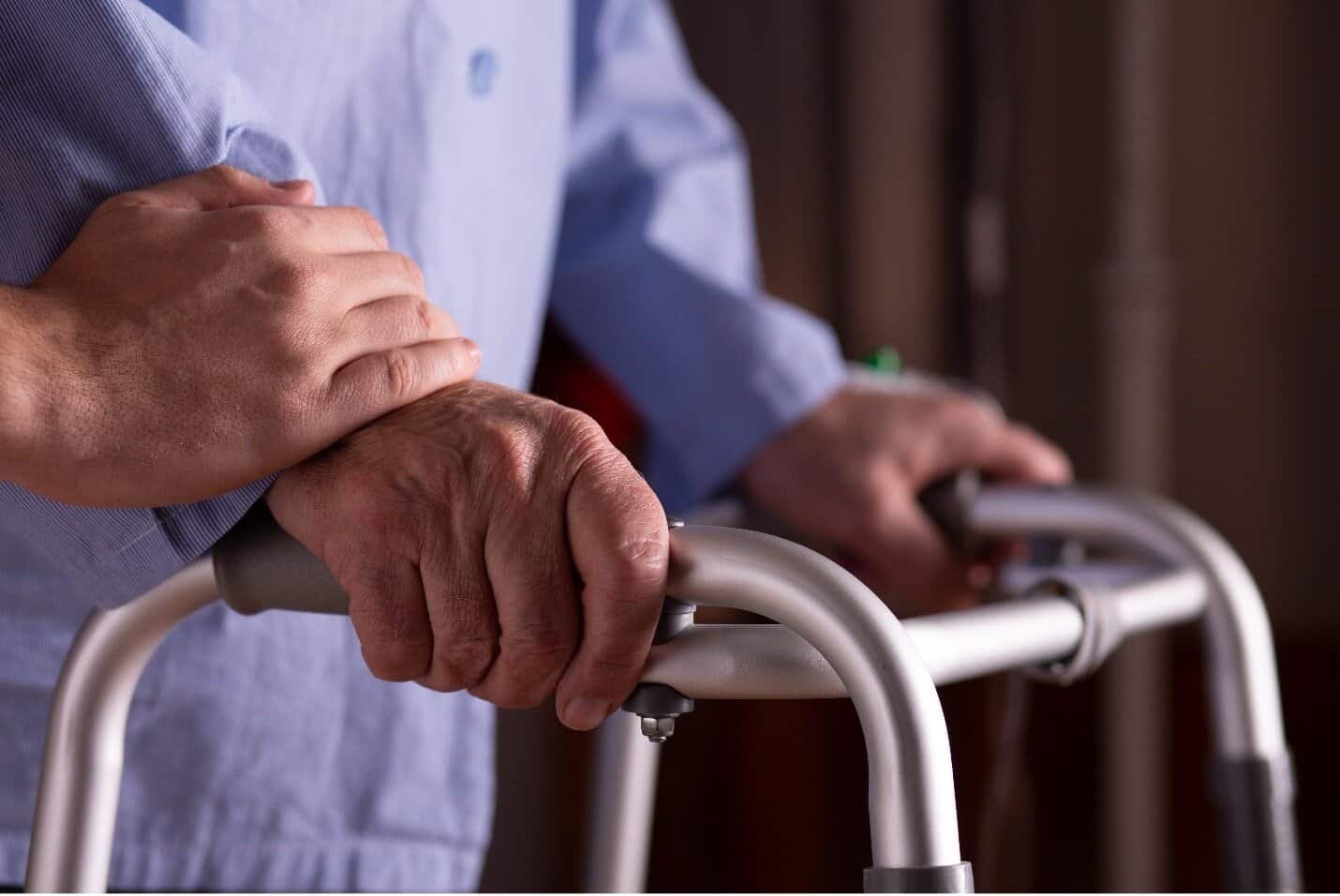
However, many individuals experience only minor loss of function in their lower extremities and can regain the ability to ambulate with assistance, often using a walker. With the help of physical and occupational therapy, mobility can improve significantly, enabling seniors to manage daily living activities more effectively.
Speech and Communication Issues
Aphasia, a condition affecting speech and communication, occurs in approximately 33% of stroke patients. This condition arises when a stroke impacts the area of the brain responsible for speech.
Speech pathology and communication therapy can be effective in treating and managing these issues.
Other potential post-stroke complications include cognitive impairments, bowel dysfunction, and generalized pain.
Prevention of Post-Stroke Complications
Post-stroke rehabilitation typically involves a multidisciplinary team of healthcare professionals, including neurologists, physical therapists, speech pathologists, and general medicine doctors. Proper management of post-stroke conditions can help prevent complications such as aspiration and falls, both of which can be life-threatening.
While some medical issues cannot be prevented, several lifestyle changes can help reduce the risk of stroke.
Below are some of the most effective preventative suggestions:
- Reduce Environmental Stress
- Receive Regular Blood Pressure Check-Ups
- Eat Healthily and Exercise Regularly
- Eliminate Bad Habits Like Smoking
For individuals who have already experienced a stroke, maintaining regular doctor check-ups and adhering to lifestyle interventions is crucial.
A cerebral vascular accident, commonly known as a stroke, is a critical medical condition that necessitates immediate attention from healthcare professionals. The sooner a stroke is treated, the better the potential outcomes. Unfortunately, many individuals experience delays in treatment for various reasons, leading to significant neurological deficits. For instance, older adults who suffer a stroke may face additional medical complications that require effective management to avoid further health issues.
While strokes can affect younger individuals, they predominantly occur in older populations. According to the American Heart Association, nearly 17% of all stroke incidents involve patients over the age of 85.
In this article, we will explore some common complications that can arise during post-stroke recovery, including difficulties with swallowing, mobility, and communication.
Characteristics Of A Stroke
Ranked as the fourth leading cause of mortality in the U.S., strokes result in more severe long-term effects than many other diseases. A stroke occurs when there is a lack of blood supply to a part of the brain, typically due to a blockage in a blood vessel or a rupture that leads to hemorrhage. An ischemic stroke is caused by a blockage or clot, while a hemorrhagic stroke results from a blood vessel rupture.
Types of Post-Stroke Complications
Various complications can arise after a stroke, with the severity of the stroke often correlating with the likelihood of these complications. Many individuals may experience cognitive or physical deterioration, including memory issues, muscle weakness, and even depression.
Prompt treatment within the first 12 to 24 hours of stroke symptoms can significantly reduce the severity of complications. Below are some common post-stroke complications:
• Swallowing and Eating Issues
• Difficulty Ambulating
• Speech and Communication Issues
Swallowing and Eating Issues
Dysphagia, or difficulty swallowing, is a common post-stroke condition, particularly among elderly patients. The muscles responsible for swallowing may not function properly, making it challenging for food or liquids to move from the throat to the stomach. This dysfunction can lead to serious complications such as pneumonia and malnutrition.
Retraining oneself to eat and swallow safely is often necessary, typically involving a combination of speech therapy, monitored swallowing techniques, and other compensatory measures.
Difficulty with Mobility
Motor impairment is one of the most common consequences of a stroke, resulting from the loss of brain control over specific muscles. In some cases, the brain may become atrophic after the injury, leading to chronic issues such as dorsiflexion of the feet and ankles in paralyzed lower extremities.
However, many individuals experience only minor loss of function in their lower extremities and can regain the ability to ambulate with assistance, often using a walker. With the help of physical and occupational therapy, mobility can improve significantly, enabling seniors to manage daily living activities more effectively.
Speech and Communication Issues
Aphasia, a condition affecting speech and communication, occurs in approximately 33% of stroke patients. This condition arises when a stroke impacts the area of the brain responsible for speech.
Speech pathology and communication therapy can be effective in treating and managing these issues.
Other potential post-stroke complications include cognitive impairments, bowel dysfunction, and generalized pain.
Prevention of Post-Stroke Complications
Post-stroke rehabilitation typically involves a multidisciplinary team of healthcare professionals, including neurologists, physical therapists, speech pathologists, and general medicine doctors. Proper management of post-stroke conditions can help prevent complications such as aspiration and falls, both of which can be life-threatening.
While some medical issues cannot be prevented, several lifestyle changes can help reduce the risk of stroke.
Below are some of the most effective preventative suggestions:
- Reduce Environmental Stress
- Receive Regular Blood Pressure Check-Ups
- Eat Healthily and Exercise Regularly
- Eliminate Bad Habits Like Smoking
For individuals who have already experienced a stroke, maintaining regular doctor check-ups and adhering to lifestyle interventions is crucial.