Significant Increase in Home Goods Prices Expected in Early 2026, According to Wells Fargo
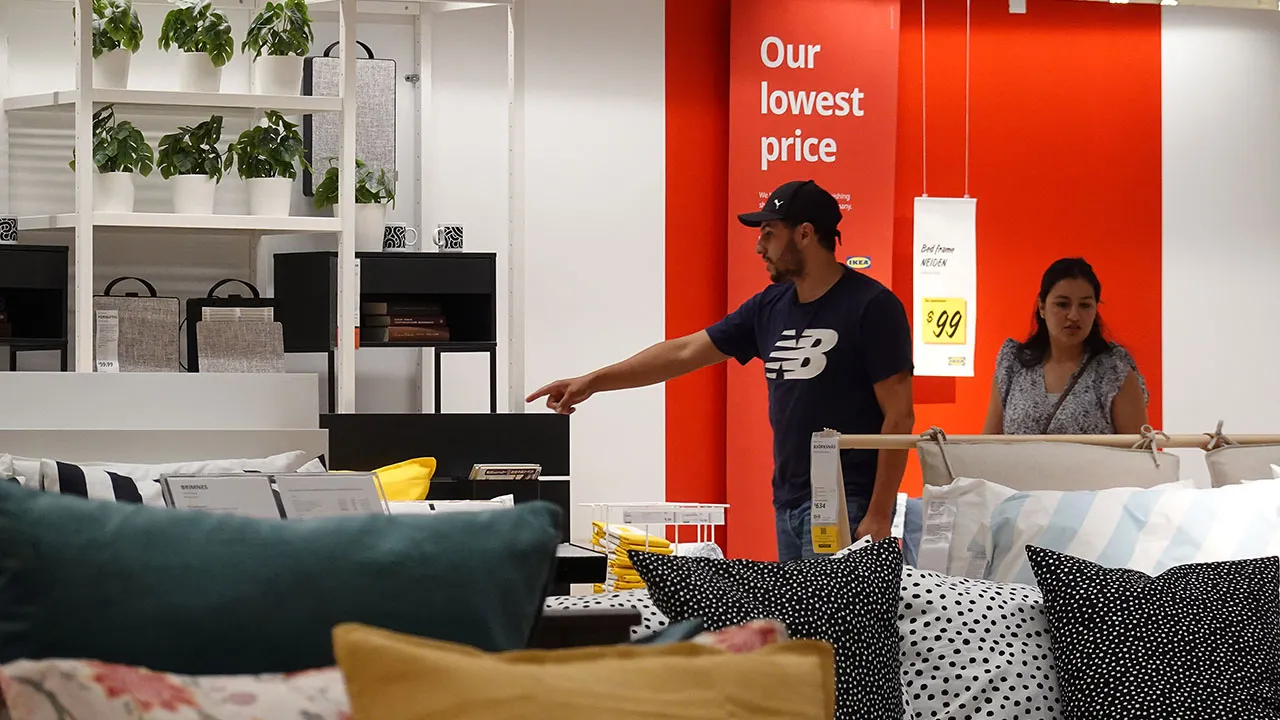
FOX Business contributor Katrina Campins comments on affordability, real estate, and retail on ‘The Big Money Show.’
As we look ahead to early 2026, consumers are advised to stock up on essentials, particularly in the home goods category. According to a report from Wells Fargo, these items are expected to experience “noticeable” price increases.
Retailers have been cautious this holiday season, aiming to either maintain or slightly increase prices across various categories. Many are offering targeted promotions and deeper discounts on select items, as noted by Lauren Murphy, managing director of Wells Fargo Retail Finance.
In early 2025, numerous retailers “strategically front-loaded inventory purchases” to avoid the impact of impending tariffs. This proactive approach was essential in managing costs and ensuring product availability.
THE BEST CYBER MONDAY DEALS TO SHOP RIGHT NOW: UP TO 70% OFF APPLE TECH, LEVI’S DENIM AND MORE
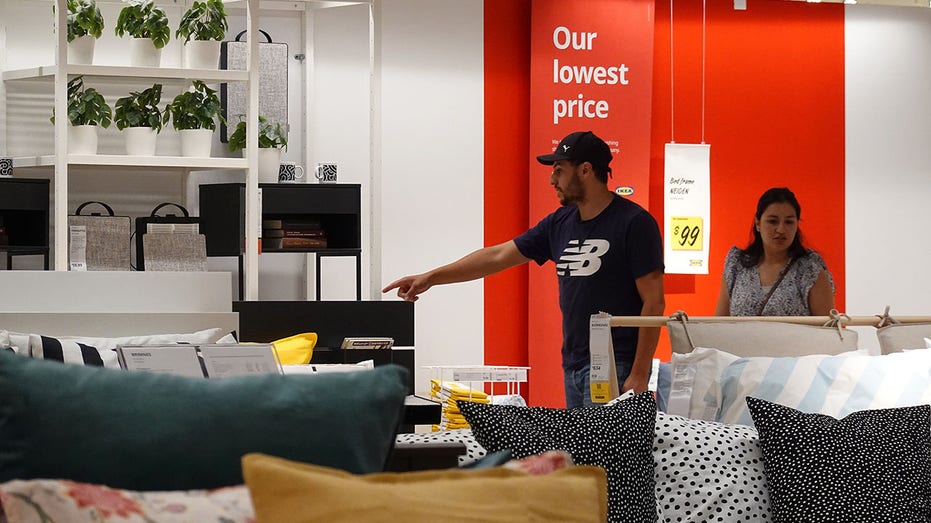
Consumers should be stocking up on essentials, particularly in the home goods category, as those items are expected to see “noticeable” price increases in early 2026, according to Wells Fargo. (Justin Sullivan/Getty Images)
These anticipated duties are likely to increase the cost of new shipments, which retailers will probably pass on to consumers in 2026. Murphy highlighted that from May to September, retailers increased their inventory by 14%. However, by early 2026, the amount of inventory still in transit from overseas suppliers is projected to rise by a staggering 62%.
EMPTY BOXES AND MISSING PARTS: SHOPPERS ARE EXPLOITING RETAIL RETURN POLICIES
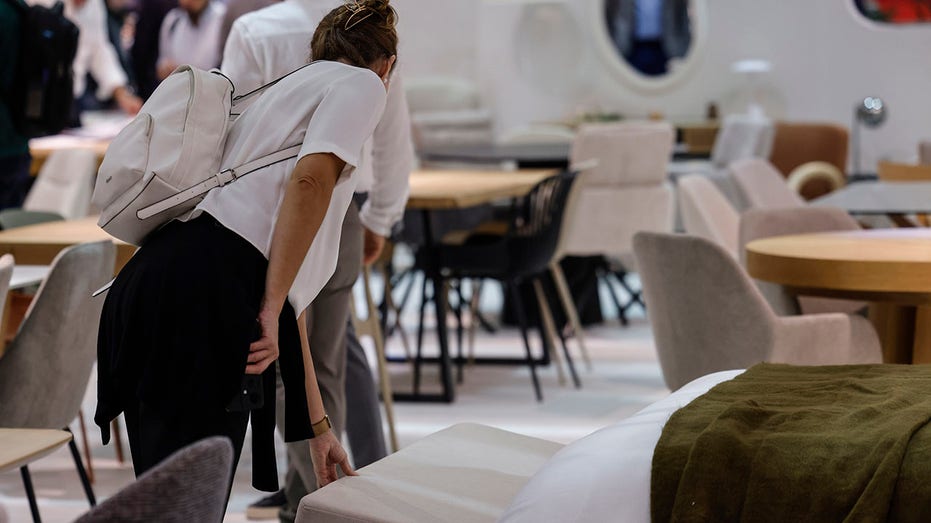
Home goods retailers in particular rely heavily on imports, leaving little room to absorb rising tariff costs. (Rober Solsona/Europa Press via Getty Images)
Home goods retailers are particularly vulnerable to these rising costs due to their heavy reliance on imports. This reliance means that price hikes occur more rapidly than in categories like apparel. Murphy indicated that home retailers have already begun implementing strategic price increases, suggesting that consumers should expect even higher prices in the coming months.
AMAZON GIVES SOME CUSTOMERS REFUNDS FOR RETURNS MADE YEARS AGO
While apparel may also see price increases, its lower base price mitigates the impact. A 10% increase on big-ticket items, however, can significantly deter buyers, Murphy warned.
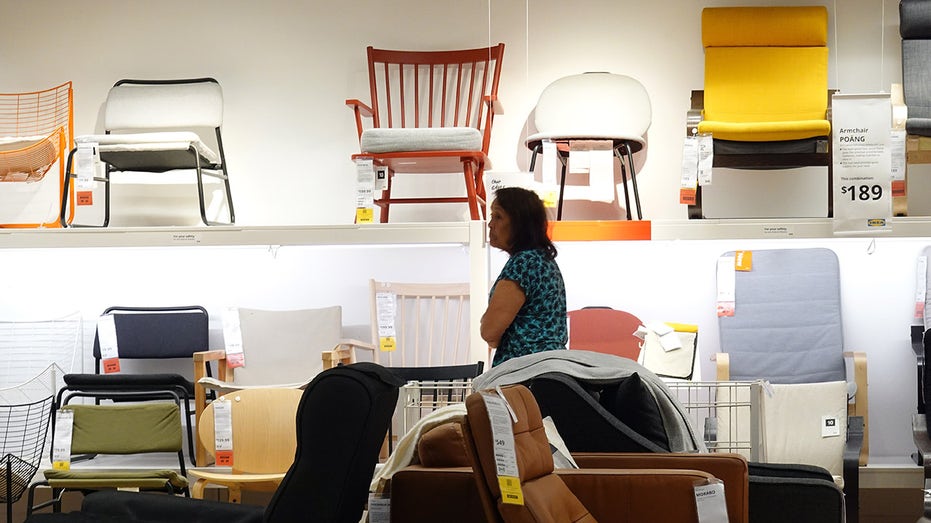
A customer shops for furniture at an IKEA store on Sept. 26, 2025, in Emeryville, California. ( Justin Sullivan/Getty Images)
GET FOX BUSINESS ON THE GO BY CLICKING HERE
For those considering major furniture purchases, Murphy recommends acting now to secure significant savings before prices rise in early 2026.
FOX Business contributor Katrina Campins comments on affordability, real estate, and retail on ‘The Big Money Show.’
As we look ahead to early 2026, consumers are advised to stock up on essentials, particularly in the home goods category. According to a report from Wells Fargo, these items are expected to experience “noticeable” price increases.
Retailers have been cautious this holiday season, aiming to either maintain or slightly increase prices across various categories. Many are offering targeted promotions and deeper discounts on select items, as noted by Lauren Murphy, managing director of Wells Fargo Retail Finance.
In early 2025, numerous retailers “strategically front-loaded inventory purchases” to avoid the impact of impending tariffs. This proactive approach was essential in managing costs and ensuring product availability.
THE BEST CYBER MONDAY DEALS TO SHOP RIGHT NOW: UP TO 70% OFF APPLE TECH, LEVI’S DENIM AND MORE
Consumers should be stocking up on essentials, particularly in the home goods category, as those items are expected to see “noticeable” price increases in early 2026, according to Wells Fargo. (Justin Sullivan/Getty Images)
These anticipated duties are likely to increase the cost of new shipments, which retailers will probably pass on to consumers in 2026. Murphy highlighted that from May to September, retailers increased their inventory by 14%. However, by early 2026, the amount of inventory still in transit from overseas suppliers is projected to rise by a staggering 62%.
EMPTY BOXES AND MISSING PARTS: SHOPPERS ARE EXPLOITING RETAIL RETURN POLICIES
Home goods retailers in particular rely heavily on imports, leaving little room to absorb rising tariff costs. (Rober Solsona/Europa Press via Getty Images)
Home goods retailers are particularly vulnerable to these rising costs due to their heavy reliance on imports. This reliance means that price hikes occur more rapidly than in categories like apparel. Murphy indicated that home retailers have already begun implementing strategic price increases, suggesting that consumers should expect even higher prices in the coming months.
AMAZON GIVES SOME CUSTOMERS REFUNDS FOR RETURNS MADE YEARS AGO
While apparel may also see price increases, its lower base price mitigates the impact. A 10% increase on big-ticket items, however, can significantly deter buyers, Murphy warned.
A customer shops for furniture at an IKEA store on Sept. 26, 2025, in Emeryville, California. ( Justin Sullivan/Getty Images)
GET FOX BUSINESS ON THE GO BY CLICKING HERE
For those considering major furniture purchases, Murphy recommends acting now to secure significant savings before prices rise in early 2026.