Freight Broker Reports $400K Lobster Meat Heist During Fake Pickup


A shipment of lobster meat valued at $400,000, intended for Costco stores in the Midwest, was stolen from a cold storage facility in Massachusetts. The incident, which occurred on December 12, has raised serious concerns about cargo theft in the industry.
Authorities are currently investigating the theft, which involved a perpetrator impersonating a truck driver for a legitimate freight carrier. The FBI, along with local police, is looking into the details of how this brazen act unfolded.
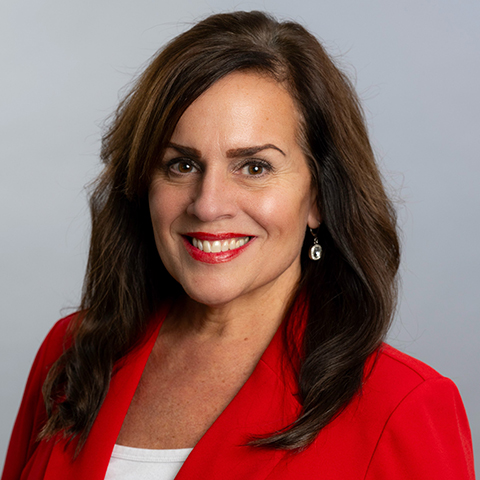
Dylan Rexing, CEO of Rexing Companies, the Indiana freight broker responsible for hiring the carrier, has spoken out about the incident. He emphasizes that cargo theft, particularly of this nature, is alarmingly common and often underestimated in its severity.
According to Rexing, the theft aligns with the FBI’s definition of a cyber cargo theft incident known as fictitious pickup. This method involves cyberattacks where thieves obtain information to forge legitimate shipping documents, enabling them to execute illegal pickups.
These types of scams are part of a broader issue of organized retail crime, which, according to the Department of Homeland Security, costs the average American family over $500 each year. Rexing believes that the thief used counterfeit documents and a fake commercial driver’s license to pose as a legitimate driver.
“This is happening every single day, multiple times a day,” Rexing stated, highlighting the frequency of such scams affecting businesses of all sizes. He expressed frustration over society’s perception of these crimes, often viewed as mere white-collar offenses. “It’s a big business that just writes the check and it’s no big deal,” he said. “Well, it is a big deal, and ultimately, while we’re paying for it today, the consumer’s the one paying this.”
Rexing also revealed that the police in Taunton, where the storage facility is located, informed him of a similar theft involving crab meat just ten days prior. While he acknowledges that there may have been preventative measures that could have been taken by his firm, the storage facility, or the food supplier, he is not interested in assigning blame. “Perhaps,” he mused, “but no company is perfect.”
In light of the incident, Rexing has reached out to his insurance broker, although no decisions regarding liability have been made yet. He recognizes that his company may bear the brunt of the financial repercussions from this theft.
Additionally, he consulted with his lawyer, a transportation specialist who frequently encounters similar scam reports. Just the week before, the lawyer noted nine theft reports involving cargo valued at over $250,000.
Rexing is speaking out not only to raise awareness about this specific incident but also to advocate for new legislation and enhanced law enforcement resources to combat cybercrimes and cargo theft scams. “This is happening to every business; it’s not just us, it’s everyone,” he reiterated, stressing that consumers ultimately bear the cost.
Interested in Agencies?
Get automatic alerts for this topic.
A shipment of lobster meat valued at $400,000, intended for Costco stores in the Midwest, was stolen from a cold storage facility in Massachusetts. The incident, which occurred on December 12, has raised serious concerns about cargo theft in the industry.
Authorities are currently investigating the theft, which involved a perpetrator impersonating a truck driver for a legitimate freight carrier. The FBI, along with local police, is looking into the details of how this brazen act unfolded.
Dylan Rexing, CEO of Rexing Companies, the Indiana freight broker responsible for hiring the carrier, has spoken out about the incident. He emphasizes that cargo theft, particularly of this nature, is alarmingly common and often underestimated in its severity.
According to Rexing, the theft aligns with the FBI’s definition of a cyber cargo theft incident known as fictitious pickup. This method involves cyberattacks where thieves obtain information to forge legitimate shipping documents, enabling them to execute illegal pickups.
These types of scams are part of a broader issue of organized retail crime, which, according to the Department of Homeland Security, costs the average American family over $500 each year. Rexing believes that the thief used counterfeit documents and a fake commercial driver’s license to pose as a legitimate driver.
“This is happening every single day, multiple times a day,” Rexing stated, highlighting the frequency of such scams affecting businesses of all sizes. He expressed frustration over society’s perception of these crimes, often viewed as mere white-collar offenses. “It’s a big business that just writes the check and it’s no big deal,” he said. “Well, it is a big deal, and ultimately, while we’re paying for it today, the consumer’s the one paying this.”
Rexing also revealed that the police in Taunton, where the storage facility is located, informed him of a similar theft involving crab meat just ten days prior. While he acknowledges that there may have been preventative measures that could have been taken by his firm, the storage facility, or the food supplier, he is not interested in assigning blame. “Perhaps,” he mused, “but no company is perfect.”
In light of the incident, Rexing has reached out to his insurance broker, although no decisions regarding liability have been made yet. He recognizes that his company may bear the brunt of the financial repercussions from this theft.
Additionally, he consulted with his lawyer, a transportation specialist who frequently encounters similar scam reports. Just the week before, the lawyer noted nine theft reports involving cargo valued at over $250,000.
Rexing is speaking out not only to raise awareness about this specific incident but also to advocate for new legislation and enhanced law enforcement resources to combat cybercrimes and cargo theft scams. “This is happening to every business; it’s not just us, it’s everyone,” he reiterated, stressing that consumers ultimately bear the cost.
Interested in Agencies?
Get automatic alerts for this topic.