December Meeting Sees Fed Rate Cut Split Among Policymakers Amid Ongoing Uncertainty
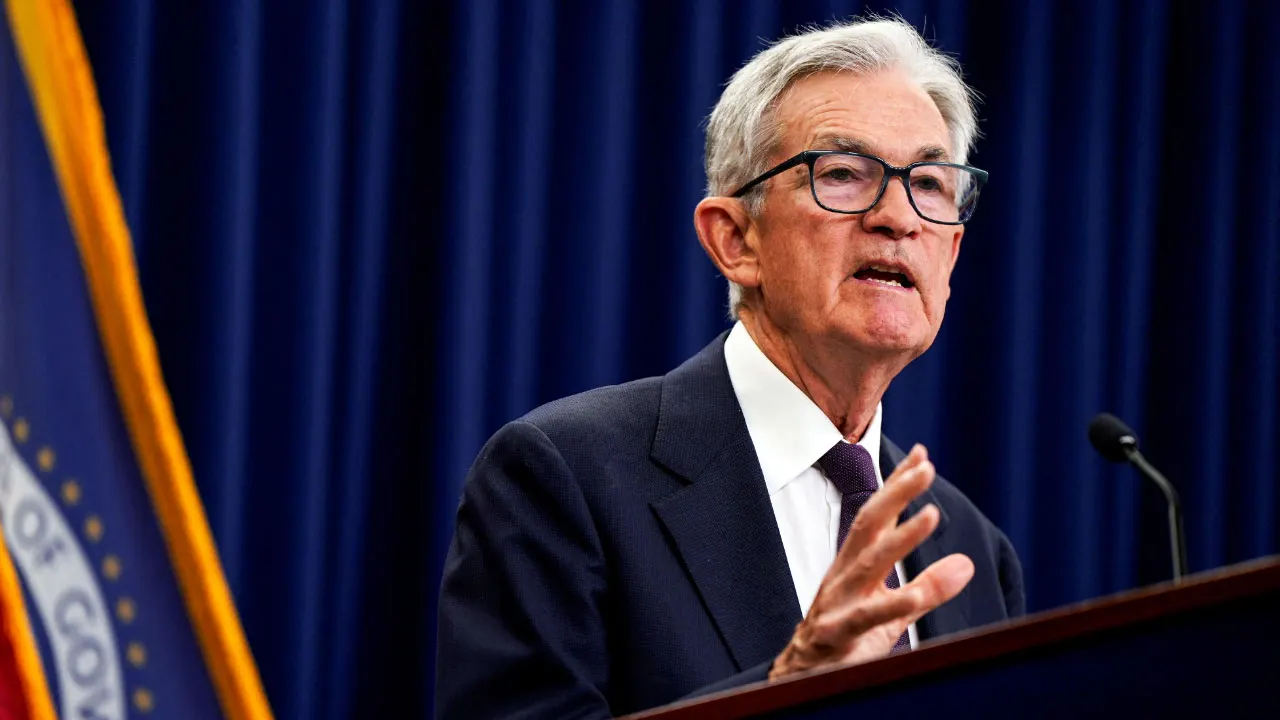
OLeary Ventures Chairman Kevin OLeary joins Mornings with Maria to discuss why more rate cuts are unlikely, the growing divide within the Federal Reserve, and the global fallout if political influence threatens Fed independence.
Federal Reserve policymakers are facing significant divisions regarding the decision to cut interest rates, as highlighted in the minutes from their recent policy meeting in December. The U.S. economy is currently grappling with a complex mix of risks.
During this meeting, the Fed opted for a 25 basis point cut for the third consecutive time, adjusting the benchmark federal funds rate to a range of 3.5% to 3.75%. This decision was made amidst a slowing labor market and elevated inflation levels that exceed the Fed’s 2% target, putting pressure on both sides of the central bank’s dual mandate.
Interestingly, two voting members of the Federal Open Market Committee dissented, advocating for no change in rates, while another member pushed for a more substantial 50 basis point cut. Additionally, six officials expressed their opposition to the rate cut through their economic projections.
While “most participants” supported the cut, “some” policymakers argued that it was a forward-looking strategy aimed at stabilizing the labor market amid a slowdown in job creation. However, others voiced concerns that progress toward the committee’s 2% inflation goal had stalled.
TRUMP CALLS FED CHAIR POWELL A ‘FOOL,’ THREATENS LAWSUIT OVER HEADQUARTERS RENOVATION
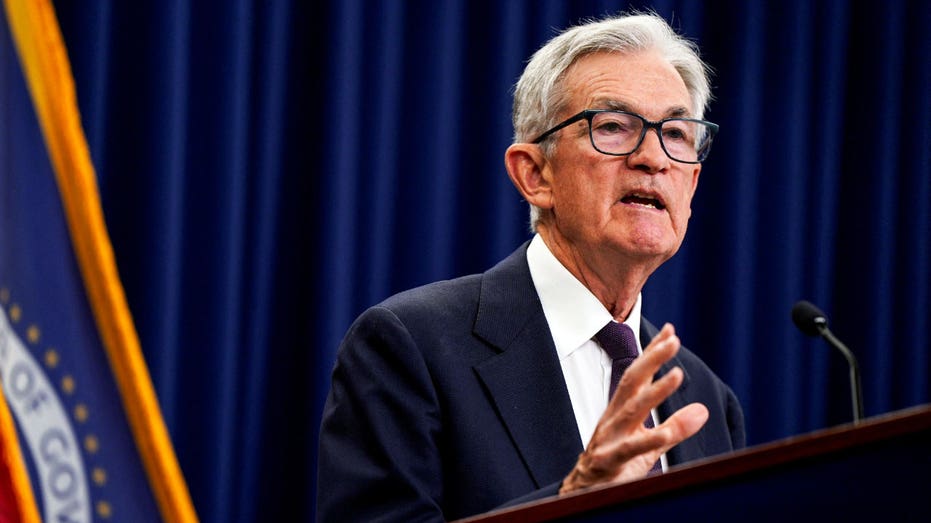
Federal Reserve Chair Jerome Powell noted the deep divides among policymakers’ perspectives during his post-meeting press conference. (Elizabeth Frantz/Reuters / Reuters)
According to the minutes, “Some participants suggested that, under their economic outlooks, it would likely be appropriate to keep the target rate unchanged for some time after a lowering of the range at this meeting.”
Fed Chair Jerome Powell and other policymakers have indicated that the central bank’s policy level is nearing neutrality. They are likely to pause further rate cuts in the upcoming year as they await new economic data, especially following the historic 43-day government shutdown that delayed key economic reports.
FED’S GOOLSBEE SAYS RATES ‘COULD COME DOWN’ IF ECONOMY STAYS ON ‘GOLDEN PATH’
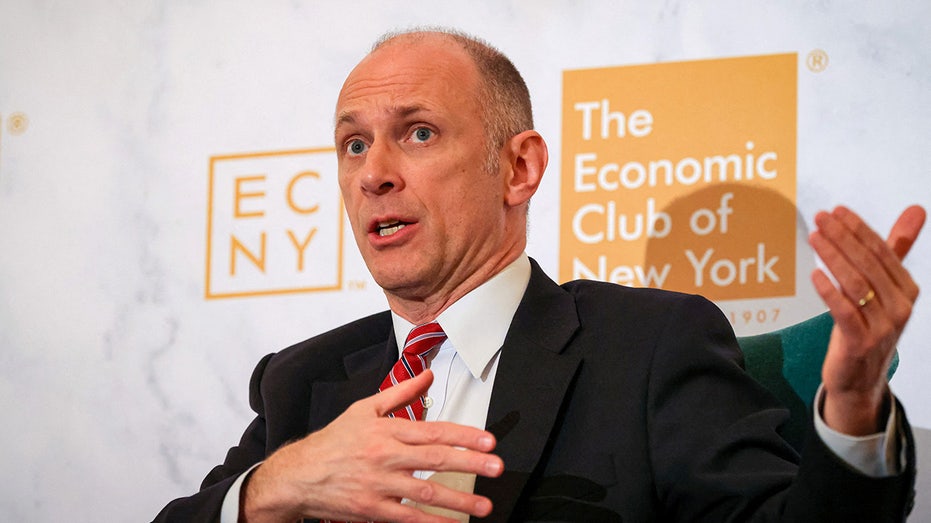
Chicago Fed President Austan Goolsbee (pictured) and Kansas City Fed President Jeffrey Schmid both dissented in favor of leaving rates unchanged. (Brendan McDermid/Reuters / Reuters)
Policymakers who opposed or were skeptical of the rate cut suggested that upcoming labor market and inflation data would be crucial for determining whether a reduction was justified. The December inflation and labor market data are set to be released on January 9 and January 13, respectively, as federal agencies resume their normal reporting schedules post-shutdown.
POWELL ACKNOWLEDGES LABOR MARKET SLOWDOWN BUT REJECTS FEARS OF STEEP DECLINE
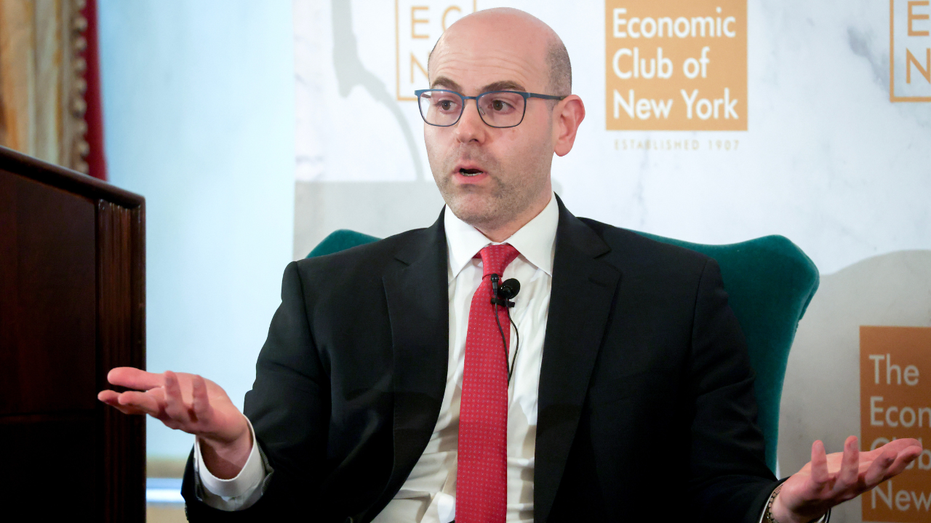
Fed governor Stephen Miran argued for a larger 50 basis point rate cut in December. (Michael Nagle/Bloomberg/Getty Images / Getty Images)
The minutes also revealed that policymakers are closely monitoring signs of a “K-shaped” economy, characterized by diverging spending patterns between high- and low-income households. A majority of participants noted stronger spending growth among high-income households, while lower-income households have become increasingly price-sensitive, adjusting their spending in response to rising prices of essential goods and services over recent years.
The Fed’s next monetary policy meeting is scheduled for January 27 and 28, with market expectations leaning towards a steady rate. The probability of the Fed maintaining its current rate range of 3.5% to 3.75% has risen to 85%, up from 67.1% a month prior, according to the CME FedWatch tool.
GET FOX BUSINESS ON THE GO BY CLICKING HERE
Reuters contributed to this report.
OLeary Ventures Chairman Kevin OLeary joins Mornings with Maria to discuss why more rate cuts are unlikely, the growing divide within the Federal Reserve, and the global fallout if political influence threatens Fed independence.
Federal Reserve policymakers are facing significant divisions regarding the decision to cut interest rates, as highlighted in the minutes from their recent policy meeting in December. The U.S. economy is currently grappling with a complex mix of risks.
During this meeting, the Fed opted for a 25 basis point cut for the third consecutive time, adjusting the benchmark federal funds rate to a range of 3.5% to 3.75%. This decision was made amidst a slowing labor market and elevated inflation levels that exceed the Fed’s 2% target, putting pressure on both sides of the central bank’s dual mandate.
Interestingly, two voting members of the Federal Open Market Committee dissented, advocating for no change in rates, while another member pushed for a more substantial 50 basis point cut. Additionally, six officials expressed their opposition to the rate cut through their economic projections.
While “most participants” supported the cut, “some” policymakers argued that it was a forward-looking strategy aimed at stabilizing the labor market amid a slowdown in job creation. However, others voiced concerns that progress toward the committee’s 2% inflation goal had stalled.
TRUMP CALLS FED CHAIR POWELL A ‘FOOL,’ THREATENS LAWSUIT OVER HEADQUARTERS RENOVATION
Federal Reserve Chair Jerome Powell noted the deep divides among policymakers’ perspectives during his post-meeting press conference. (Elizabeth Frantz/Reuters / Reuters)
According to the minutes, “Some participants suggested that, under their economic outlooks, it would likely be appropriate to keep the target rate unchanged for some time after a lowering of the range at this meeting.”
Fed Chair Jerome Powell and other policymakers have indicated that the central bank’s policy level is nearing neutrality. They are likely to pause further rate cuts in the upcoming year as they await new economic data, especially following the historic 43-day government shutdown that delayed key economic reports.
FED’S GOOLSBEE SAYS RATES ‘COULD COME DOWN’ IF ECONOMY STAYS ON ‘GOLDEN PATH’
Chicago Fed President Austan Goolsbee (pictured) and Kansas City Fed President Jeffrey Schmid both dissented in favor of leaving rates unchanged. (Brendan McDermid/Reuters / Reuters)
Policymakers who opposed or were skeptical of the rate cut suggested that upcoming labor market and inflation data would be crucial for determining whether a reduction was justified. The December inflation and labor market data are set to be released on January 9 and January 13, respectively, as federal agencies resume their normal reporting schedules post-shutdown.
POWELL ACKNOWLEDGES LABOR MARKET SLOWDOWN BUT REJECTS FEARS OF STEEP DECLINE
Fed governor Stephen Miran argued for a larger 50 basis point rate cut in December. (Michael Nagle/Bloomberg/Getty Images / Getty Images)
The minutes also revealed that policymakers are closely monitoring signs of a “K-shaped” economy, characterized by diverging spending patterns between high- and low-income households. A majority of participants noted stronger spending growth among high-income households, while lower-income households have become increasingly price-sensitive, adjusting their spending in response to rising prices of essential goods and services over recent years.
The Fed’s next monetary policy meeting is scheduled for January 27 and 28, with market expectations leaning towards a steady rate. The probability of the Fed maintaining its current rate range of 3.5% to 3.75% has risen to 85%, up from 67.1% a month prior, according to the CME FedWatch tool.
GET FOX BUSINESS ON THE GO BY CLICKING HERE
Reuters contributed to this report.