An Age-Old Fear Grows More Common: ‘I’m Going To Die Alone’
This summer, during a dinner with her best friend, Jacki Barden broached a difficult subject: the unsettling possibility of dying alone.
“I have no children, no husband, no siblings,” Barden recalled saying. “Who’s going to hold my hand while I die?”
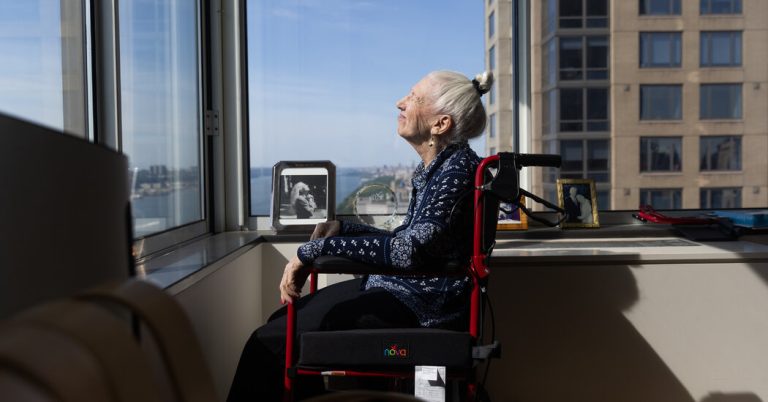
At 75, Barden has lived independently in western Massachusetts since her husband passed away in 2003. “You hit a point in your life when you’re not climbing up anymore, you’re climbing down,” she reflected. “You start thinking about what it’s going to be like at the end.”
This concern resonates with many older adults living alone—a demographic that has grown to over 16 million in 2023. While some have family and friends for support, others find themselves without spouses or children, with relatives living far away, or estranged from family. Additionally, many have lost close friends to age-related illnesses.
Statistics reveal that more than 15 million individuals aged 55 and older lack a spouse or biological children, and nearly 2 million have no family members at all.
Isolation is another issue, as many older adults face sickness, frailty, or disability. Research indicates that between 20% and 25% of older adults not residing in nursing homes lack regular contact with others. This isolation often intensifies as death approaches.
Who will be there for these solo agers as they near the end of their lives? How many will pass away without the comfort of familiar faces?
Unfortunately, there are no national surveys that track who is present with older adults at the time of death. However, the concern about dying alone is increasingly relevant as more seniors face widowhood, divorce, or remain single and childless. Demographers, medical researchers, and physicians are all noting this trend.
“We’ve always seen patients who were essentially by themselves when they transition into end-of-life care,” stated Jairon Johnson, medical director of hospice and palliative care for Presbyterian Healthcare Services in New Mexico. “But they weren’t as common as they are now.”
The issue gained heightened attention during the COVID-19 pandemic, when families were often barred from hospitals and nursing homes. Yet, since then, it has largely faded from public discourse.
For many, including healthcare practitioners, the thought of dying alone evokes feelings of abandonment. “I can’t imagine what it’s like, on top of a terminal illness, to think I’m dying and I have no one,” expressed Sarah Cross, an assistant professor of palliative medicine at Emory University School of Medicine.
Alison Butler, 65, an end-of-life doula in the Washington, D.C., area, assists individuals and their families in navigating the dying process. Having lived alone for two decades, Butler shared that the thought of dying alone feels like a form of rejection. She struggled to hold back tears as she expressed her fear that her life “doesn’t and didn’t matter deeply” to anyone.
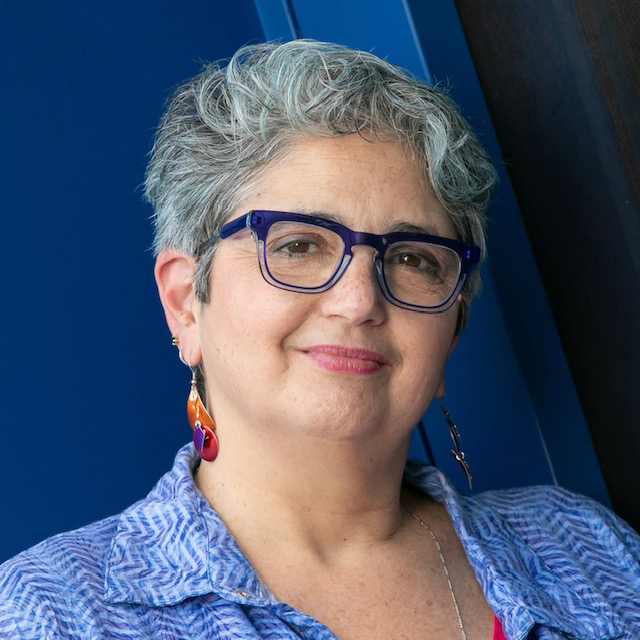
Without reliable support, terminally ill adults face a heightened risk of self-neglect and declining well-being. Many seniors lack the financial means for assisted living or home care if they become unable to manage daily tasks.
With nearly $1 trillion in planned cuts to Medicaid under previous legislation, accessing adequate care is likely to become even more challenging. Medicare, which generally does not cover home-based services, leaves Medicaid as the primary source of assistance for those without financial resources. However, states may be forced to cut Medicaid home-based care programs as federal funding dwindles.
“I’m really scared about what’s going to happen,” said Bree Johnston, a geriatrician and director of palliative care at Skagit Regional Health in Washington. She anticipates that more terminally ill seniors living alone will end up dying in hospitals due to a lack of essential services.
“Hospitals are often not the most humane place to die,” Johnston remarked.
While hospice care offers an alternative funded by Medicare, it frequently falls short for terminally ill older adults who are alone. Less than half of older adults under 85 utilize hospice services, and many mistakenly believe that hospice agencies will provide comprehensive support for all end-of-life needs.
In reality, hospice care often relies heavily on family caregivers for assistance with daily activities, and some agencies may not even accept patients without caregivers.
This leaves hospitals as the primary option. If seniors are lucid, staff can discuss their priorities and guide them through medical decisions. However, if they are delirious or unconscious, staff typically seek out someone who can make decisions on their behalf, often defaulting to family members.
In extreme cases, if no one comes forward, a deceased individual may be classified as “unclaimed” and buried in a common grave, a situation that is becoming increasingly common, as highlighted in the book “The Unclaimed: Abandonment and Hope in the City of Angels.”
Shoshana Ungerleider, a physician and founder of End Well, advocates for proactive measures to identify seniors living alone and provide them with necessary support. Regular communication through calls, video chats, or texts can make a significant difference.
It’s essential to recognize that not all older adults share the same priorities for end-of-life care. For instance, Barden has taken steps to prepare for her passing, ensuring that her financial and legal matters are in order and funeral arrangements are made.
“I’ve been very blessed in life: We have to look back on what we have to be grateful for and not dwell on the bad part,” she shared. Reflecting on her life’s end, she stated, “It’s going to be what it is. We have no control over any of that stuff. I guess I’d like someone with me, but I don’t know how it’s going to work out.”
Conversely, some individuals prefer to die as they have lived—independently. Elva Roy, 80, founder of Age-Friendly Arlington, Texas, has lived alone for 30 years following two divorces. She has contemplated dying alone and is considering medically assisted death if she becomes terminally ill, viewing it as a way to maintain control over her life.
“I don’t want somebody by my side if I’m emaciated or frail or sickly,” Roy expressed. “I would not feel comforted by someone being there holding my hand or wiping my brow or watching me suffer. I’m really OK with dying by myself.”
This summer, during a dinner with her best friend, Jacki Barden broached a difficult subject: the unsettling possibility of dying alone.
“I have no children, no husband, no siblings,” Barden recalled saying. “Who’s going to hold my hand while I die?”
At 75, Barden has lived independently in western Massachusetts since her husband passed away in 2003. “You hit a point in your life when you’re not climbing up anymore, you’re climbing down,” she reflected. “You start thinking about what it’s going to be like at the end.”
This concern resonates with many older adults living alone—a demographic that has grown to over 16 million in 2023. While some have family and friends for support, others find themselves without spouses or children, with relatives living far away, or estranged from family. Additionally, many have lost close friends to age-related illnesses.
Statistics reveal that more than 15 million individuals aged 55 and older lack a spouse or biological children, and nearly 2 million have no family members at all.
Isolation is another issue, as many older adults face sickness, frailty, or disability. Research indicates that between 20% and 25% of older adults not residing in nursing homes lack regular contact with others. This isolation often intensifies as death approaches.
Who will be there for these solo agers as they near the end of their lives? How many will pass away without the comfort of familiar faces?
Unfortunately, there are no national surveys that track who is present with older adults at the time of death. However, the concern about dying alone is increasingly relevant as more seniors face widowhood, divorce, or remain single and childless. Demographers, medical researchers, and physicians are all noting this trend.
“We’ve always seen patients who were essentially by themselves when they transition into end-of-life care,” stated Jairon Johnson, medical director of hospice and palliative care for Presbyterian Healthcare Services in New Mexico. “But they weren’t as common as they are now.”
The issue gained heightened attention during the COVID-19 pandemic, when families were often barred from hospitals and nursing homes. Yet, since then, it has largely faded from public discourse.
For many, including healthcare practitioners, the thought of dying alone evokes feelings of abandonment. “I can’t imagine what it’s like, on top of a terminal illness, to think I’m dying and I have no one,” expressed Sarah Cross, an assistant professor of palliative medicine at Emory University School of Medicine.
Alison Butler, 65, an end-of-life doula in the Washington, D.C., area, assists individuals and their families in navigating the dying process. Having lived alone for two decades, Butler shared that the thought of dying alone feels like a form of rejection. She struggled to hold back tears as she expressed her fear that her life “doesn’t and didn’t matter deeply” to anyone.
Without reliable support, terminally ill adults face a heightened risk of self-neglect and declining well-being. Many seniors lack the financial means for assisted living or home care if they become unable to manage daily tasks.
With nearly $1 trillion in planned cuts to Medicaid under previous legislation, accessing adequate care is likely to become even more challenging. Medicare, which generally does not cover home-based services, leaves Medicaid as the primary source of assistance for those without financial resources. However, states may be forced to cut Medicaid home-based care programs as federal funding dwindles.
“I’m really scared about what’s going to happen,” said Bree Johnston, a geriatrician and director of palliative care at Skagit Regional Health in Washington. She anticipates that more terminally ill seniors living alone will end up dying in hospitals due to a lack of essential services.
“Hospitals are often not the most humane place to die,” Johnston remarked.
While hospice care offers an alternative funded by Medicare, it frequently falls short for terminally ill older adults who are alone. Less than half of older adults under 85 utilize hospice services, and many mistakenly believe that hospice agencies will provide comprehensive support for all end-of-life needs.
In reality, hospice care often relies heavily on family caregivers for assistance with daily activities, and some agencies may not even accept patients without caregivers.
This leaves hospitals as the primary option. If seniors are lucid, staff can discuss their priorities and guide them through medical decisions. However, if they are delirious or unconscious, staff typically seek out someone who can make decisions on their behalf, often defaulting to family members.
In extreme cases, if no one comes forward, a deceased individual may be classified as “unclaimed” and buried in a common grave, a situation that is becoming increasingly common, as highlighted in the book “The Unclaimed: Abandonment and Hope in the City of Angels.”
Shoshana Ungerleider, a physician and founder of End Well, advocates for proactive measures to identify seniors living alone and provide them with necessary support. Regular communication through calls, video chats, or texts can make a significant difference.
It’s essential to recognize that not all older adults share the same priorities for end-of-life care. For instance, Barden has taken steps to prepare for her passing, ensuring that her financial and legal matters are in order and funeral arrangements are made.
“I’ve been very blessed in life: We have to look back on what we have to be grateful for and not dwell on the bad part,” she shared. Reflecting on her life’s end, she stated, “It’s going to be what it is. We have no control over any of that stuff. I guess I’d like someone with me, but I don’t know how it’s going to work out.”
Conversely, some individuals prefer to die as they have lived—independently. Elva Roy, 80, founder of Age-Friendly Arlington, Texas, has lived alone for 30 years following two divorces. She has contemplated dying alone and is considering medically assisted death if she becomes terminally ill, viewing it as a way to maintain control over her life.
“I don’t want somebody by my side if I’m emaciated or frail or sickly,” Roy expressed. “I would not feel comforted by someone being there holding my hand or wiping my brow or watching me suffer. I’m really OK with dying by myself.”