US Lifts Sanctions on Trio Linked to Development of ‘Predator’ Spyware
The US government has lifted sanctions on three individuals previously accused of facilitating the proliferation of “Predator” spyware, a sophisticated surveillance technology allegedly used against American citizens.
The Department of Treasury’s decision to remove business bans on these individuals associated with the Intellexa Consortium marks a partial reversal of the initial US sanctions imposed over the alleged misuse of software capable of covertly taking over mobile phones.
Last year, the Biden administration sanctioned several individuals and businesses linked to the Intellexa Consortium, citing their roles in developing, operating, and distributing software targeting US government officials, journalists, and policy experts. The Treasury Department emphasized that “the proliferation of commercial spyware poses distinct and growing security risks to the United States.”
On Tuesday, the Trump administration announced the lifting of sanctions against three individuals: Sara Aleksandra Fayssal Hamou, Andrea Nicola Constantino Hermes Gambazzi, and Merom Harpaz. In the previous sanctions announcement, Treasury described Hamou, a Polish national, as a corporate off-shoring specialist who provided managerial services to the consortium, including renting office space in Greece. Gambazzi, a Swiss national, is identified as the beneficial owner of a company holding distribution rights to the Predator software, while Harpaz, an Israeli, is noted as a “top executive” at the consortium.
Contact information for the trio was not immediately available. The Intellexa Consortium, characterized by Treasury as a “complex international web of decentralized companies,” did not respond to requests for comment on Wednesday.
The Treasury removed these individuals from its sanctions list “as part of the normal administrative process in response to a petition request for reconsideration,” according to a statement provided to Reuters. The agency noted that each individual had “demonstrated measures to separate themselves from the Intellexa Consortium.” However, Treasury officials did not respond to inquiries from Bloomberg News on Wednesday.
John Scott-Railton, a senior researcher at the University of Toronto’s Citizen Lab, expressed confusion over the agency’s decision, calling it “puzzling.” He stated, “Intellexa’s reputation for reckless proliferation of cyber capabilities is unmatched. The pile of Predator abuses is enormous.”
Founded in 2019 by Tal Dilian, a veteran of the Israeli intelligence agency, Intellexa has supplied spyware to various authoritarian regimes, as noted by the Treasury.
In 2023, the US added four companies linked to Intellexa to an export blacklist, effectively banning the use of their products within the US or the supply of parts to them. Treasury also sanctioned Dilian himself in March 2024, along with Hamou and five entities associated with the consortium, and issued further sanctions against individuals labeled as “enablers” of the spyware consortium later that year.
The use of Predator spyware sparked a national scandal in Greece in 2022, where it was allegedly employed to target numerous politicians, journalists, and business figures. This led to the resignation of the head of Greece’s intelligence service amid the fallout.
An investigation conducted by Amnesty International and various media organizations in 2023 uncovered evidence that Predator spyware had been used to target United Nations officials, US lawmakers, and the president of the European Parliament.
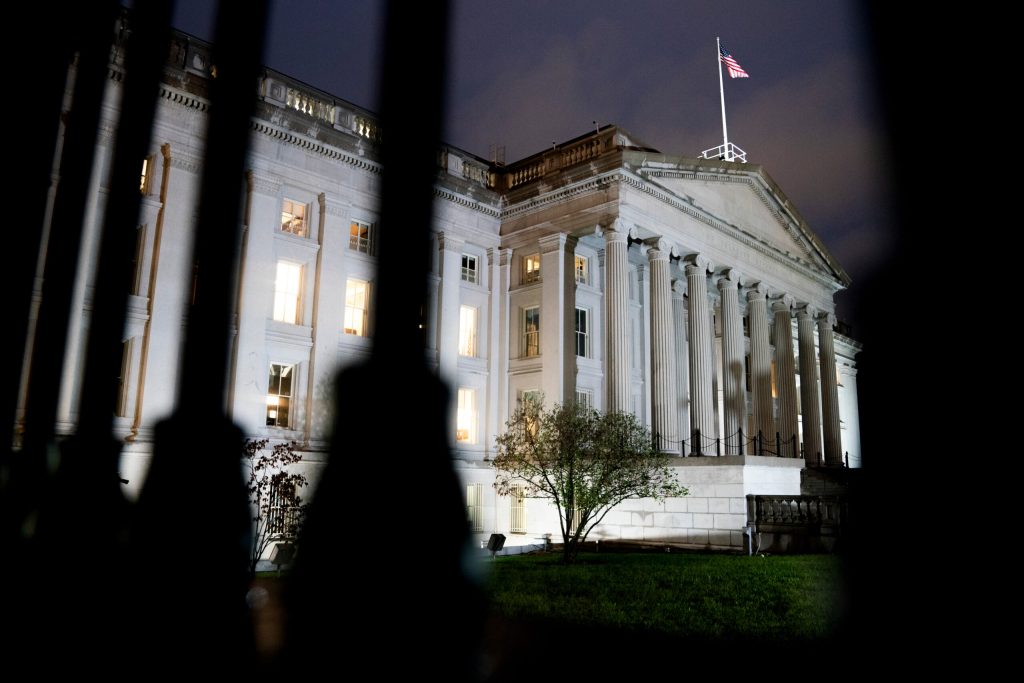
Photo: The US Treasury building in Washington, DC. Photographer: Stefani Reynolds/Bloomberg
Copyright 2026 Bloomberg.
Topics
USA
The most important insurance news, in your inbox every business day.
Get the insurance industry’s trusted newsletter
The US government has lifted sanctions on three individuals previously accused of facilitating the proliferation of “Predator” spyware, a sophisticated surveillance technology allegedly used against American citizens.
The Department of Treasury’s decision to remove business bans on these individuals associated with the Intellexa Consortium marks a partial reversal of the initial US sanctions imposed over the alleged misuse of software capable of covertly taking over mobile phones.
Last year, the Biden administration sanctioned several individuals and businesses linked to the Intellexa Consortium, citing their roles in developing, operating, and distributing software targeting US government officials, journalists, and policy experts. The Treasury Department emphasized that “the proliferation of commercial spyware poses distinct and growing security risks to the United States.”
On Tuesday, the Trump administration announced the lifting of sanctions against three individuals: Sara Aleksandra Fayssal Hamou, Andrea Nicola Constantino Hermes Gambazzi, and Merom Harpaz. In the previous sanctions announcement, Treasury described Hamou, a Polish national, as a corporate off-shoring specialist who provided managerial services to the consortium, including renting office space in Greece. Gambazzi, a Swiss national, is identified as the beneficial owner of a company holding distribution rights to the Predator software, while Harpaz, an Israeli, is noted as a “top executive” at the consortium.
Contact information for the trio was not immediately available. The Intellexa Consortium, characterized by Treasury as a “complex international web of decentralized companies,” did not respond to requests for comment on Wednesday.
The Treasury removed these individuals from its sanctions list “as part of the normal administrative process in response to a petition request for reconsideration,” according to a statement provided to Reuters. The agency noted that each individual had “demonstrated measures to separate themselves from the Intellexa Consortium.” However, Treasury officials did not respond to inquiries from Bloomberg News on Wednesday.
John Scott-Railton, a senior researcher at the University of Toronto’s Citizen Lab, expressed confusion over the agency’s decision, calling it “puzzling.” He stated, “Intellexa’s reputation for reckless proliferation of cyber capabilities is unmatched. The pile of Predator abuses is enormous.”
Founded in 2019 by Tal Dilian, a veteran of the Israeli intelligence agency, Intellexa has supplied spyware to various authoritarian regimes, as noted by the Treasury.
In 2023, the US added four companies linked to Intellexa to an export blacklist, effectively banning the use of their products within the US or the supply of parts to them. Treasury also sanctioned Dilian himself in March 2024, along with Hamou and five entities associated with the consortium, and issued further sanctions against individuals labeled as “enablers” of the spyware consortium later that year.
The use of Predator spyware sparked a national scandal in Greece in 2022, where it was allegedly employed to target numerous politicians, journalists, and business figures. This led to the resignation of the head of Greece’s intelligence service amid the fallout.
An investigation conducted by Amnesty International and various media organizations in 2023 uncovered evidence that Predator spyware had been used to target United Nations officials, US lawmakers, and the president of the European Parliament.
Photo: The US Treasury building in Washington, DC. Photographer: Stefani Reynolds/Bloomberg
Copyright 2026 Bloomberg.
Topics
USA
The most important insurance news, in your inbox every business day.
Get the insurance industry’s trusted newsletter