Maine’s Allocation of Opioid Settlement Funds: A Closer Look at Spending Strategies
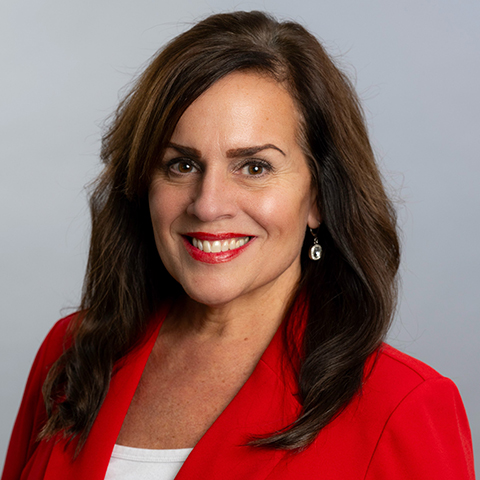
Over the past five years, the attorney general’s office, led by Aaron Frey, has secured over $260 million in settlements from major pharmaceutical companies accused of exacerbating the opioid epidemic in Maine. This funding aims to address the devastating impacts of the crisis, which has claimed thousands of lives in the state.
The attorney general’s office has been responsible for overseeing the distribution of these settlements, ensuring that local governments and the Maine Recovery Council utilize their shares effectively and transparently. However, details about how the attorney general’s office is allocating its own share of the funds—20% of Maine’s total—have been somewhat opaque.
Recent data obtained by The Maine Monitor reveals that the AG’s office has spent $10 million of the $17.2 million it has received thus far, with over half of this amount directed to the Department of Health and Human Services (DHHS). This funding is intended to support prevention, harm reduction, and treatment programs aimed at combating the opioid crisis.
The settlements come with a 15-page document outlining approved uses for the funds, but they leave much of the oversight to the states. Maine’s allocation is divided into three parts: 50% goes to the Maine Recovery Council, 30% to local governments, and 20% to the attorney general’s office.
The Recovery Council’s spending process is governed by specific guidelines, which mandate open meetings, annual public forums, and a public dashboard for transparency. In contrast, the AG’s office is not subject to similar disclosure requirements, raising questions about accountability.
While the AG’s office has committed to sharing its spending data with the Maine Opioid Settlement Support (MOSS) Center at the University of Southern Maine, the information released so far has been limited. The data from The Monitor represents the first detailed disclosure of the AG’s office’s spending since the payments began.
Unlike the Recovery Council, which took nearly two years to establish its decision-making process, the AG’s office lacks specific procedures for determining how to allocate its opioid settlement funds. A spokesperson for the office, Danna Hayes, emphasized that the attorney general is committed to using the funds for evidence-based investments and can respond quickly to urgent needs that other organizations may not be able to address as swiftly.
Of the $6 million awarded to DHHS, half was allocated to cover a budget shortfall in the Office of Behavioral Health (OBH). This funding was intended to support treatment, recovery, and prevention programs that were not fully funded by the legislature. DHHS had requested $3.6 million annually for substance use disorder services, but the legislature approved only a fraction of that amount.
According to a contract signed in July 2023, the need for initiatives to combat substance use disorder in Maine has outstripped available funding. The one-time infusion of settlement funds was awarded to address these financial challenges.
Services funded include recovery coaches, overdose prevention programs, and residential treatment options. The AG’s office has also awarded $2.2 million to various public agencies, including $1.2 million to establish the MOSS Center, which aims to assist local governments in effectively utilizing their funds.
Since the initiation of these payments, advocates have cautioned against the misallocation of funds, reminiscent of the tobacco settlements from nearly 30 years ago. The settlement agreements stipulate that the funds should supplement existing resources rather than serve as a budgetary fix.
The AG’s office maintains that its funding decisions are aimed at ensuring critical programming continues, particularly in light of federal budget cuts. For instance, the $3 million allocated to DHHS was intended to sustain essential services rather than simply fill budget gaps.
In addition to the funding for DHHS, the AG’s office has provided financial support to various organizations, including $500,000 to the Tessa Lee Libby Treatment Center and $400,000 to Milestone Recovery. These funds are aimed at enhancing treatment and recovery services across the state.
Overall, while the attorney general’s office has made significant strides in addressing the opioid crisis through these settlements, the lack of transparency in its spending decisions raises important questions about accountability and the effective use of resources.
This story was originally published by The Maine Monitor and distributed through a partnership with The Associated Press.
Copyright 2026 Associated Press. All rights reserved. This material may not be published, broadcast, rewritten or redistributed.
Over the past five years, the attorney general’s office, led by Aaron Frey, has secured over $260 million in settlements from major pharmaceutical companies accused of exacerbating the opioid epidemic in Maine. This funding aims to address the devastating impacts of the crisis, which has claimed thousands of lives in the state.
The attorney general’s office has been responsible for overseeing the distribution of these settlements, ensuring that local governments and the Maine Recovery Council utilize their shares effectively and transparently. However, details about how the attorney general’s office is allocating its own share of the funds—20% of Maine’s total—have been somewhat opaque.
Recent data obtained by The Maine Monitor reveals that the AG’s office has spent $10 million of the $17.2 million it has received thus far, with over half of this amount directed to the Department of Health and Human Services (DHHS). This funding is intended to support prevention, harm reduction, and treatment programs aimed at combating the opioid crisis.
The settlements come with a 15-page document outlining approved uses for the funds, but they leave much of the oversight to the states. Maine’s allocation is divided into three parts: 50% goes to the Maine Recovery Council, 30% to local governments, and 20% to the attorney general’s office.
The Recovery Council’s spending process is governed by specific guidelines, which mandate open meetings, annual public forums, and a public dashboard for transparency. In contrast, the AG’s office is not subject to similar disclosure requirements, raising questions about accountability.
While the AG’s office has committed to sharing its spending data with the Maine Opioid Settlement Support (MOSS) Center at the University of Southern Maine, the information released so far has been limited. The data from The Monitor represents the first detailed disclosure of the AG’s office’s spending since the payments began.
Unlike the Recovery Council, which took nearly two years to establish its decision-making process, the AG’s office lacks specific procedures for determining how to allocate its opioid settlement funds. A spokesperson for the office, Danna Hayes, emphasized that the attorney general is committed to using the funds for evidence-based investments and can respond quickly to urgent needs that other organizations may not be able to address as swiftly.
Of the $6 million awarded to DHHS, half was allocated to cover a budget shortfall in the Office of Behavioral Health (OBH). This funding was intended to support treatment, recovery, and prevention programs that were not fully funded by the legislature. DHHS had requested $3.6 million annually for substance use disorder services, but the legislature approved only a fraction of that amount.
According to a contract signed in July 2023, the need for initiatives to combat substance use disorder in Maine has outstripped available funding. The one-time infusion of settlement funds was awarded to address these financial challenges.
Services funded include recovery coaches, overdose prevention programs, and residential treatment options. The AG’s office has also awarded $2.2 million to various public agencies, including $1.2 million to establish the MOSS Center, which aims to assist local governments in effectively utilizing their funds.
Since the initiation of these payments, advocates have cautioned against the misallocation of funds, reminiscent of the tobacco settlements from nearly 30 years ago. The settlement agreements stipulate that the funds should supplement existing resources rather than serve as a budgetary fix.
The AG’s office maintains that its funding decisions are aimed at ensuring critical programming continues, particularly in light of federal budget cuts. For instance, the $3 million allocated to DHHS was intended to sustain essential services rather than simply fill budget gaps.
In addition to the funding for DHHS, the AG’s office has provided financial support to various organizations, including $500,000 to the Tessa Lee Libby Treatment Center and $400,000 to Milestone Recovery. These funds are aimed at enhancing treatment and recovery services across the state.
Overall, while the attorney general’s office has made significant strides in addressing the opioid crisis through these settlements, the lack of transparency in its spending decisions raises important questions about accountability and the effective use of resources.
This story was originally published by The Maine Monitor and distributed through a partnership with The Associated Press.
Copyright 2026 Associated Press. All rights reserved. This material may not be published, broadcast, rewritten or redistributed.