Israeli Tech Leader Shlomo Kramer Urges US to Restrict First Amendment Protections
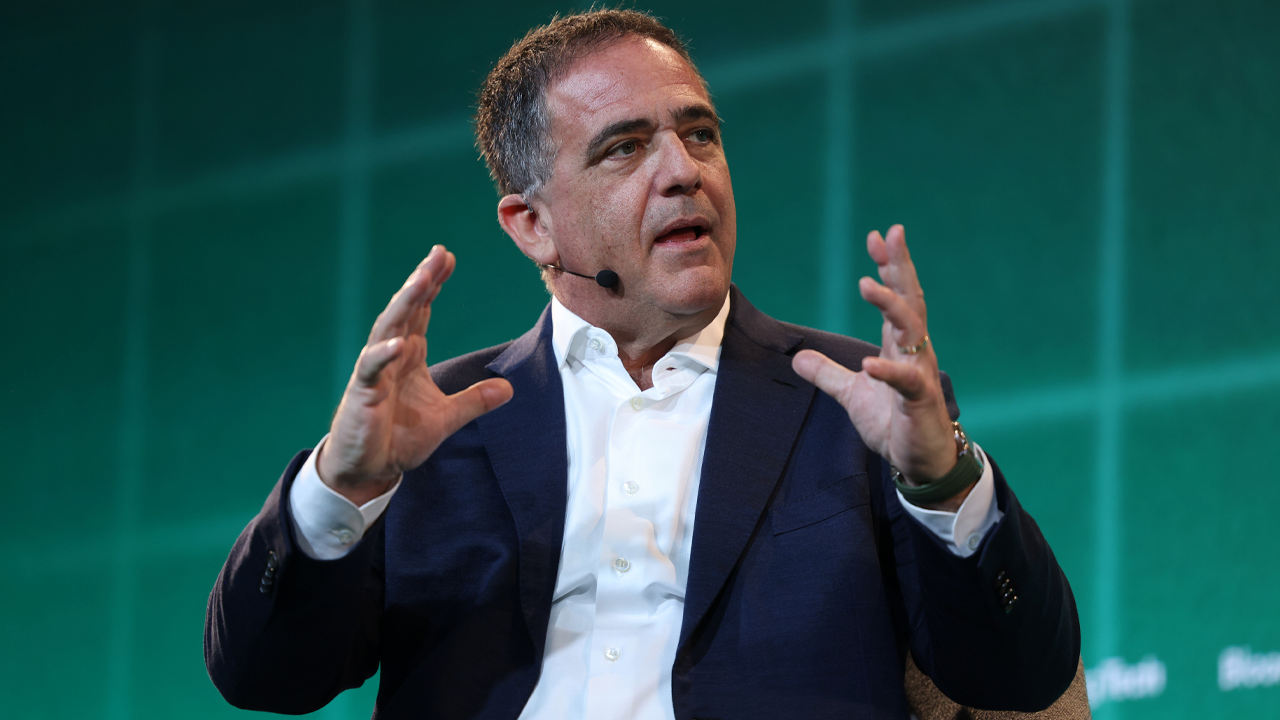
Israeli tech entrepreneur and Cato Networks co-founder Shlomo Kramer argued on Monday’s episode of CNBC’s “Money Movers” that the American government must restrict freedom of speech in the age of AI.
In a striking statement, Israeli billionaire tech entrepreneur Shlomo Kramer emphasized the need for government intervention in regulating speech due to the rise of artificial intelligence. During his appearance on CNBC’s “Money Movers,” he asserted that the current landscape necessitates a reevaluation of the First Amendment.
This discussion coincided with a significant meeting between Israeli Prime Minister Benjamin Netanyahu and former President Donald Trump at Mar-a-Lago. This meeting comes on the heels of a warning from a top Israeli defense official about an impending cyber-based war, highlighting the urgency of addressing cybersecurity and information warfare. Netanyahu has described social media as a modern weapon, further complicating the geopolitical landscape.
When asked by CNBC host Sara Eisen about the implications of AI on cyber warfare, Kramer pointed out that AI is fundamentally altering the dynamics of conflict, impacting everything from critical infrastructure to societal norms. He argued that this shift is giving authoritarian regimes an advantage over democratic nations, leading to a call for government action that has sparked considerable debate.
Kramer’s suggestion quickly gained traction on social media, where free speech advocates expressed concern over the potential for government censorship. He stated, “You’re seeing the polarization in countries that allow for the First Amendment and protect it, which is great. And I know it’s difficult to hear, but it’s time to limit the First Amendment in order to protect it.” He urged that action be taken swiftly before it becomes too late.
When pressed for clarification, Kramer advocated for government control over social media platforms. “We need to stack, rank the authenticity of every person that expresses themselves online and take control over what they are saying, based on that ranking,” he explained. Eisen sought confirmation on whether he was indeed calling for government oversight, to which Kramer replied affirmatively, emphasizing the need for educational initiatives to combat misinformation.
CNBC host David Faber noted the rapid pace of technological advancement compared to the slower political response. Kramer countered, stating, “So you need to use technology in order to stabilize the political system,” suggesting that necessary adjustments may not be popular but are essential for national stability.
As the conversation unfolded, Kramer highlighted the disparity between the U.S. and countries like China, which employs AI at the state level to maintain control. He warned that allowing multiple narratives in the U.S. could jeopardize national stability, urging for changes to be made to address this imbalance.
Despite the potential backlash, Kramer maintained that the threats posed by online misinformation represent a “completely new threat” that must be addressed. Clips from his interview quickly went viral, drawing criticism from free speech advocates who argue that limiting the First Amendment could lead to severe consequences.
Prominent voices in the debate, such as conservative chef Andrew Gruel, cautioned against the dangers of state power without limits, while others dismissed Kramer’s proposals as extreme. As the conversation continues, the implications of Kramer’s suggestions remain a contentious topic in the intersection of technology, governance, and civil liberties.
Israeli tech entrepreneur and Cato Networks co-founder Shlomo Kramer argued on Monday’s episode of CNBC’s “Money Movers” that the American government must restrict freedom of speech in the age of AI.
In a striking statement, Israeli billionaire tech entrepreneur Shlomo Kramer emphasized the need for government intervention in regulating speech due to the rise of artificial intelligence. During his appearance on CNBC’s “Money Movers,” he asserted that the current landscape necessitates a reevaluation of the First Amendment.
This discussion coincided with a significant meeting between Israeli Prime Minister Benjamin Netanyahu and former President Donald Trump at Mar-a-Lago. This meeting comes on the heels of a warning from a top Israeli defense official about an impending cyber-based war, highlighting the urgency of addressing cybersecurity and information warfare. Netanyahu has described social media as a modern weapon, further complicating the geopolitical landscape.
When asked by CNBC host Sara Eisen about the implications of AI on cyber warfare, Kramer pointed out that AI is fundamentally altering the dynamics of conflict, impacting everything from critical infrastructure to societal norms. He argued that this shift is giving authoritarian regimes an advantage over democratic nations, leading to a call for government action that has sparked considerable debate.
Kramer’s suggestion quickly gained traction on social media, where free speech advocates expressed concern over the potential for government censorship. He stated, “You’re seeing the polarization in countries that allow for the First Amendment and protect it, which is great. And I know it’s difficult to hear, but it’s time to limit the First Amendment in order to protect it.” He urged that action be taken swiftly before it becomes too late.
When pressed for clarification, Kramer advocated for government control over social media platforms. “We need to stack, rank the authenticity of every person that expresses themselves online and take control over what they are saying, based on that ranking,” he explained. Eisen sought confirmation on whether he was indeed calling for government oversight, to which Kramer replied affirmatively, emphasizing the need for educational initiatives to combat misinformation.
CNBC host David Faber noted the rapid pace of technological advancement compared to the slower political response. Kramer countered, stating, “So you need to use technology in order to stabilize the political system,” suggesting that necessary adjustments may not be popular but are essential for national stability.
As the conversation unfolded, Kramer highlighted the disparity between the U.S. and countries like China, which employs AI at the state level to maintain control. He warned that allowing multiple narratives in the U.S. could jeopardize national stability, urging for changes to be made to address this imbalance.
Despite the potential backlash, Kramer maintained that the threats posed by online misinformation represent a “completely new threat” that must be addressed. Clips from his interview quickly went viral, drawing criticism from free speech advocates who argue that limiting the First Amendment could lead to severe consequences.
Prominent voices in the debate, such as conservative chef Andrew Gruel, cautioned against the dangers of state power without limits, while others dismissed Kramer’s proposals as extreme. As the conversation continues, the implications of Kramer’s suggestions remain a contentious topic in the intersection of technology, governance, and civil liberties.