Decline in High-Net-Worth Risk Appetite Amid Regional Stabilization Trends


Risk appetite among high-net-worth (HNW) individuals has seen a significant decline, as highlighted in a recent outlook report from HUB International. The findings reveal that only 25% of HNW individuals are willing to take on more risk for premium savings, a notable drop from 39% in 2023.
In light of ongoing market volatility and coverage gaps, many individuals are opting for higher deductibles, accepting carve-outs, and making more conservative insurance choices. Additionally, there is a growing trend towards investing in resilience measures, such as wildfire-resistant materials, water-detection systems, and cyber monitoring.
A staggering 77% of respondents to HUB’s private client outlook survey reported difficulties in securing adequate property insurance for their homes. Regions prone to wildfires, floods, or coastal risks—including California, New York, New Jersey, and Texas—are particularly affected by limited market capacity, according to the brokerage’s press release.
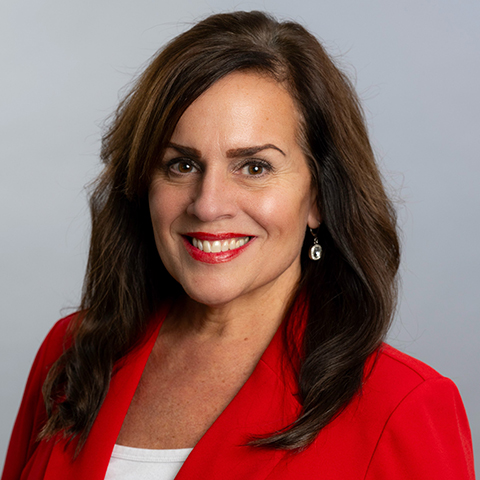
“It’s been a very tumultuous handful of years,” remarked Katherine Frattarola, head of HUB Private Client, which caters to high- and ultra-high-net-worth homeowners. In an interview with Insurance Journal, she noted, “the good news is … we have started to see a stabilization or softening” in the high-value property insurance rate environment in certain areas. However, she cautioned that whether this trend will be long-lasting or temporary remains uncertain.
Frattarola explained that insurance carriers have been working towards achieving rate adequacy. She observed that the impacts of recent weather events on high-net-worth individuals—excluding January’s wildfires in Southern California—have been relatively muted. Reinsurers have taken a more cautious approach to risk, and HNW carriers have improved their models and remediated their portfolios.
“That doesn’t mean that rates aren’t expensive,” she clarified. “It doesn’t mean that rates are going to return to what they were five years ago. It doesn’t mean that clients will be pleased when they receive their renewal notices. But it does indicate that we’re not witnessing the drastic fluctuations we’ve seen in the past.”
Interestingly, some previously challenging regions have experienced rate reductions. For instance, Florida has seen recent reforms that have attracted new carriers, leading to rate drops of up to 30% in certain cases. However, these instances are exceptions, as HUB forecasts that U.S. high-net-worth homeowners can expect rates to remain flat or increase by 5% in 2026.
“With profitability beginning to recover, carriers are shifting their focus toward strategic risk management—aligning pricing with individual property characteristics and demonstrated mitigation efforts,” the report stated. Homeowners who invest in protective measures, such as roof upgrades and water detection systems, are likely to benefit from more favorable pricing and renewal terms.
HUB also noted improvements in market conditions due to refinements in policy structures and underwriting practices, allowing carriers to maintain profitability through means other than rate increases. Adjustments include capping certain coverages, such as loss of use, and incentivizing higher deductibles to encourage shared risk.
Looking ahead, HUB projects that wind-related rates for high-net-worth policyholders will remain flat or decline by up to 10% next year, while wildfire rates are expected to rise between 5% and 10%. Frattarola emphasized that the past three years have been “fairly volatile” for HNW homeowners, particularly in areas prone to catastrophes.
“High-net-worth individuals often reside in regions with significant risk,” she explained. Post-COVID supply chain issues have driven up replacement costs, and high-dollar jury awards against carriers have contributed to inflationary pressures. When states failed to approve significant rate increases promptly, carriers exited markets, placing the burden on homeowners.
However, Frattarola noted that as macroeconomic forces began to stabilize about a year ago, she started to see potential for rate stabilization in the high-net-worth homeowner market. While some areas will continue to pose challenges for policy writing, “overall, with a blended geographic view, we’ve started to see things level out,” she said.
In a separate interview, Yas Nahali, executive vice president at Amwins, described the national high-net-worth property market as being divided into “micro-regions.” Some parts of Florida are experiencing softening rates, while areas like Los Angeles remain challenging. She observed increased activity from managing general agents (MGAs) and standard markets reapproaching previously difficult regions with tighter underwriting or mitigation requirements.
Now is an opportune time for brokers to negotiate favorable terms for their high-net-worth clients, according to Nahali. “The last few years have not provided much opportunity for negotiation, but now we do,” she stated. “It’s crucial to advocate for the client and utilize all available tools to create a comprehensive coverage program.”
In follow-up correspondence, Nahali emphasized that brokers can leverage their unique position to review proposals from various insurers, allowing them to negotiate terms that favor clients in areas where insurers feel more comfortable. “By capitalizing on these variations, we can enhance coverage in a way that aligns with the insurer’s comfort level and serves the client’s best interest,” she noted.
The 2026 HUB Outlook High-Net-Worth Survey gathered insights from 200 high-net-worth individuals and their advisors, focusing on risk tolerance, property exposures, and insurance decision-making.
Key recommendations from the study for HNW clients include:
- Investing in wildfire-resistant landscaping, water sensors, and cybersecurity to bolster resilience.
- Updating brokers before and after renovations to ensure accurate valuations and minimize claim issues.
- Considering cyber and reputation-management policies to address emerging digital threats.
- Regularly informing brokers about life events, property acquisitions, and changing risks to maintain aligned coverage.
In its annual private client outlook, HUB also projected personal umbrella rate increases of 10% to 12%. The brokerage cited rising loss severity in auto liability as a key factor driving these increases. “Carriers are placing heightened emphasis on geographic exposure, particularly in jurisdictions with elevated litigation activity, often referred to as ‘judicial hellholes,’” the report noted. Clients in these regions can expect higher premiums, stricter underwriting scrutiny, and reduced carrier appetite as insurers work to manage volatility associated with large verdicts and escalating settlement costs.
Risk appetite among high-net-worth (HNW) individuals has seen a significant decline, as highlighted in a recent outlook report from HUB International. The findings reveal that only 25% of HNW individuals are willing to take on more risk for premium savings, a notable drop from 39% in 2023.
In light of ongoing market volatility and coverage gaps, many individuals are opting for higher deductibles, accepting carve-outs, and making more conservative insurance choices. Additionally, there is a growing trend towards investing in resilience measures, such as wildfire-resistant materials, water-detection systems, and cyber monitoring.
A staggering 77% of respondents to HUB’s private client outlook survey reported difficulties in securing adequate property insurance for their homes. Regions prone to wildfires, floods, or coastal risks—including California, New York, New Jersey, and Texas—are particularly affected by limited market capacity, according to the brokerage’s press release.
“It’s been a very tumultuous handful of years,” remarked Katherine Frattarola, head of HUB Private Client, which caters to high- and ultra-high-net-worth homeowners. In an interview with Insurance Journal, she noted, “the good news is … we have started to see a stabilization or softening” in the high-value property insurance rate environment in certain areas. However, she cautioned that whether this trend will be long-lasting or temporary remains uncertain.
Frattarola explained that insurance carriers have been working towards achieving rate adequacy. She observed that the impacts of recent weather events on high-net-worth individuals—excluding January’s wildfires in Southern California—have been relatively muted. Reinsurers have taken a more cautious approach to risk, and HNW carriers have improved their models and remediated their portfolios.
“That doesn’t mean that rates aren’t expensive,” she clarified. “It doesn’t mean that rates are going to return to what they were five years ago. It doesn’t mean that clients will be pleased when they receive their renewal notices. But it does indicate that we’re not witnessing the drastic fluctuations we’ve seen in the past.”
Interestingly, some previously challenging regions have experienced rate reductions. For instance, Florida has seen recent reforms that have attracted new carriers, leading to rate drops of up to 30% in certain cases. However, these instances are exceptions, as HUB forecasts that U.S. high-net-worth homeowners can expect rates to remain flat or increase by 5% in 2026.
“With profitability beginning to recover, carriers are shifting their focus toward strategic risk management—aligning pricing with individual property characteristics and demonstrated mitigation efforts,” the report stated. Homeowners who invest in protective measures, such as roof upgrades and water detection systems, are likely to benefit from more favorable pricing and renewal terms.
HUB also noted improvements in market conditions due to refinements in policy structures and underwriting practices, allowing carriers to maintain profitability through means other than rate increases. Adjustments include capping certain coverages, such as loss of use, and incentivizing higher deductibles to encourage shared risk.
Looking ahead, HUB projects that wind-related rates for high-net-worth policyholders will remain flat or decline by up to 10% next year, while wildfire rates are expected to rise between 5% and 10%. Frattarola emphasized that the past three years have been “fairly volatile” for HNW homeowners, particularly in areas prone to catastrophes.
“High-net-worth individuals often reside in regions with significant risk,” she explained. Post-COVID supply chain issues have driven up replacement costs, and high-dollar jury awards against carriers have contributed to inflationary pressures. When states failed to approve significant rate increases promptly, carriers exited markets, placing the burden on homeowners.
However, Frattarola noted that as macroeconomic forces began to stabilize about a year ago, she started to see potential for rate stabilization in the high-net-worth homeowner market. While some areas will continue to pose challenges for policy writing, “overall, with a blended geographic view, we’ve started to see things level out,” she said.
In a separate interview, Yas Nahali, executive vice president at Amwins, described the national high-net-worth property market as being divided into “micro-regions.” Some parts of Florida are experiencing softening rates, while areas like Los Angeles remain challenging. She observed increased activity from managing general agents (MGAs) and standard markets reapproaching previously difficult regions with tighter underwriting or mitigation requirements.
Now is an opportune time for brokers to negotiate favorable terms for their high-net-worth clients, according to Nahali. “The last few years have not provided much opportunity for negotiation, but now we do,” she stated. “It’s crucial to advocate for the client and utilize all available tools to create a comprehensive coverage program.”
In follow-up correspondence, Nahali emphasized that brokers can leverage their unique position to review proposals from various insurers, allowing them to negotiate terms that favor clients in areas where insurers feel more comfortable. “By capitalizing on these variations, we can enhance coverage in a way that aligns with the insurer’s comfort level and serves the client’s best interest,” she noted.
The 2026 HUB Outlook High-Net-Worth Survey gathered insights from 200 high-net-worth individuals and their advisors, focusing on risk tolerance, property exposures, and insurance decision-making.
Key recommendations from the study for HNW clients include:
- Investing in wildfire-resistant landscaping, water sensors, and cybersecurity to bolster resilience.
- Updating brokers before and after renovations to ensure accurate valuations and minimize claim issues.
- Considering cyber and reputation-management policies to address emerging digital threats.
- Regularly informing brokers about life events, property acquisitions, and changing risks to maintain aligned coverage.
In its annual private client outlook, HUB also projected personal umbrella rate increases of 10% to 12%. The brokerage cited rising loss severity in auto liability as a key factor driving these increases. “Carriers are placing heightened emphasis on geographic exposure, particularly in jurisdictions with elevated litigation activity, often referred to as ‘judicial hellholes,’” the report noted. Clients in these regions can expect higher premiums, stricter underwriting scrutiny, and reduced carrier appetite as insurers work to manage volatility associated with large verdicts and escalating settlement costs.