Concerns Over Venezuela’s Export Losses May Drive Oil Prices Up by $3 per Barrel
Infrastructure Capital Advisors CEO Jay Hatfield and Payne Capital Management President Ryan Payne discuss the global economic outlook for 2026, how the capture of Venezuela’s Nicolás Maduro could impact markets and more on ‘Mornings with Maria.’
Geopolitical uncertainty, coupled with the decline of Venezuelan oil exports, is anticipated to drive oil and gasoline prices slightly higher in the coming weeks. However, prices at the pump are expected to remain at their lowest levels since the COVID-19 pandemic.
Andy Lipow, president of Lipow Oil Associates, forecasts a potential increase of $3 per barrel for oil in the near term, translating to less than a 10-cent rise per gallon for gasoline. Despite this uptick, he emphasizes that current crude oil prices are significantly lower than they were a year ago. As of Monday morning, Brent crude, the international oil benchmark, was trading at $60.75 per barrel, while West Texas Intermediate crude was at $57.79 per barrel. This is a stark contrast to prices exceeding $70 per barrel just a year prior, according to Lipow.
Several factors could influence the oil market in the upcoming year. Key among them is the potential for unrest in Iran to disrupt supply. Additionally, the Organization of the Petroleum Exporting Countries and its allies, known as OPEC+, may alter their current policies, possibly reinstating voluntary production cuts to boost revenues and meet budgetary needs.
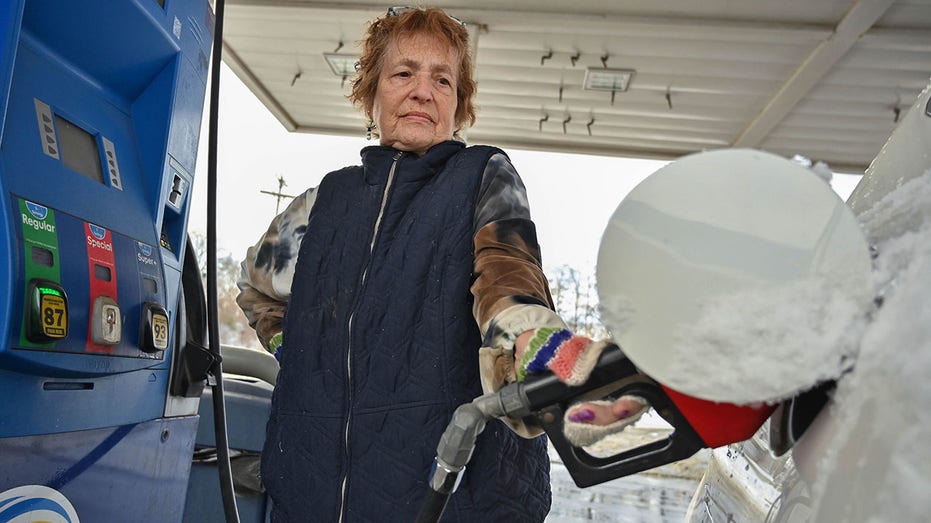
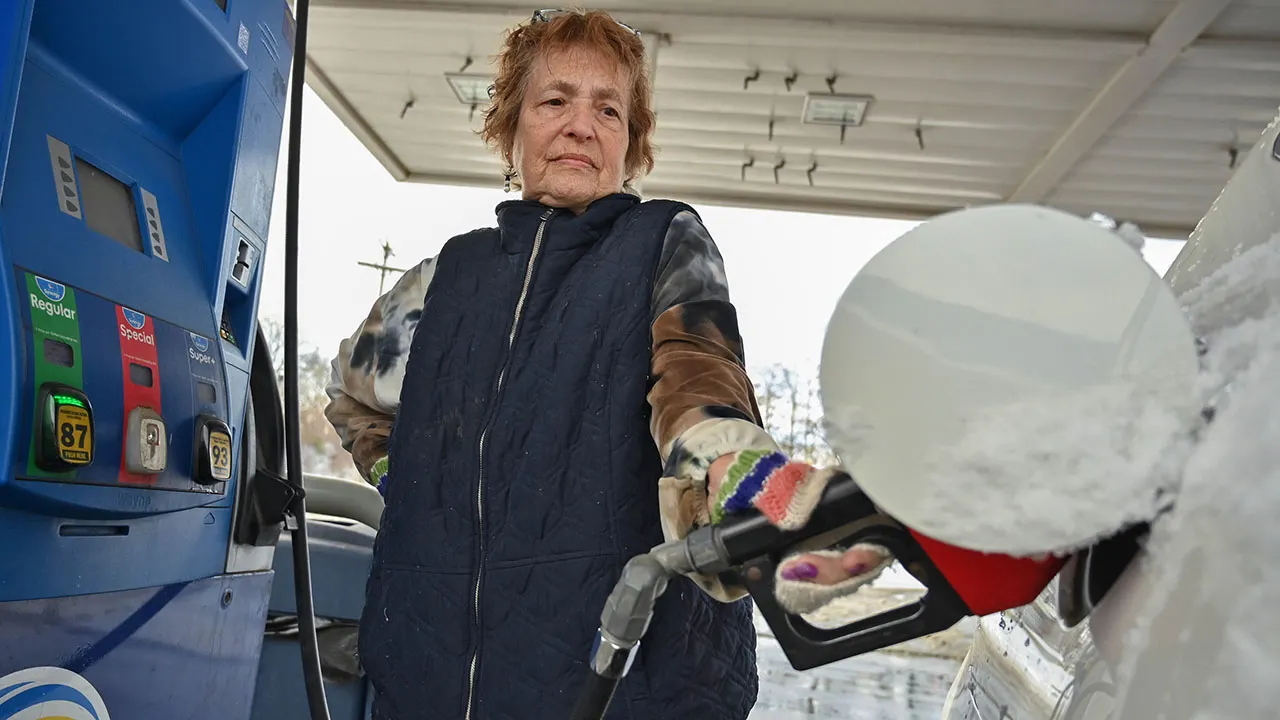
Geopolitical uncertainty combined with the loss of Venezuelan exports could push oil and gasoline prices slightly higher in the weeks ahead. (Lori Van Buren/Albany Times Union via Getty Images)
OIL AND GAS PRICES EXPECTED TO STAY SIGNIFICANTLY LOWER THROUGH 2026
GasBuddy’s head of petroleum analysis, Patrick DeHaan, echoed similar sentiments, noting that while the situation in Venezuela is “definitely something to watch,” the increase in oil output from OPEC+ and enhancements in global refinery output are likely to balance the market this year.
Venezuela’s role in global oil production has diminished significantly, with its output plummeting since its peak in the late 1990s. While disruptions in Venezuela can impact markets, they are not substantial enough to trigger a major global supply shock.
OIL AND GAS DEMAND COULD GROW UNTIL 2050, IEA SAYS
Currently, Venezuela contributes less than 11% of the world’s oil supply, while a significant 20% passes through the Strait of Hormuz. Disruptions in this critical passage could pose a far greater threat to global supply and prices, making it essential to monitor instability in Iran, which could arise from internal strife or military actions by Israel or the U.S.
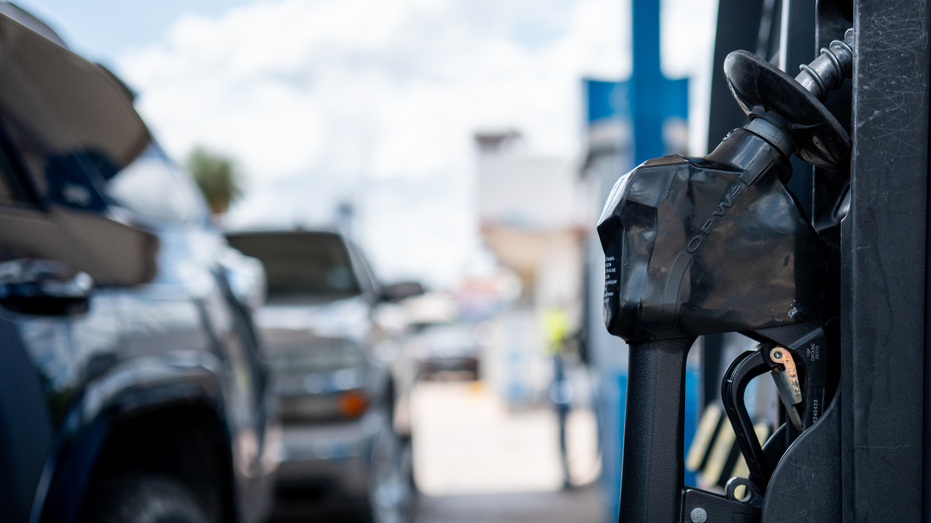
Venezuela no longer dominates global oil production, with the country’s oil output falling sharply ever since its peak in the late-1990s. (Brandon Bell/Getty Images)
US NOW IN CONTROL OF VENEZUELA’S OIL RESERVES, THE LARGEST IN THE WORLD: CHART
Moreover, Lipow expressed concern that persistently low oil prices are exerting financial pressure on OPEC+ member countries.

Less than 11% of the world’s oil supply comes out of Venezuela. (Bloomberg/Getty Images)
“Their demand forecast has been quite optimistic, and the restoration of their voluntary production cuts in 2025 has led to a significant oversupply situation, lower prices, and consequently lower revenue,” Lipow stated.
GET FOX BUSINESS ON THE GO BY CLICKING HERE
He also pointed out that with oil production at or near record levels in the U.S., Canada, Brazil, Argentina, and Guyana, OPEC+ may need to consider cutting production to initiate a rise in prices.
Infrastructure Capital Advisors CEO Jay Hatfield and Payne Capital Management President Ryan Payne discuss the global economic outlook for 2026, how the capture of Venezuela’s Nicolás Maduro could impact markets and more on ‘Mornings with Maria.’
Geopolitical uncertainty, coupled with the decline of Venezuelan oil exports, is anticipated to drive oil and gasoline prices slightly higher in the coming weeks. However, prices at the pump are expected to remain at their lowest levels since the COVID-19 pandemic.
Andy Lipow, president of Lipow Oil Associates, forecasts a potential increase of $3 per barrel for oil in the near term, translating to less than a 10-cent rise per gallon for gasoline. Despite this uptick, he emphasizes that current crude oil prices are significantly lower than they were a year ago. As of Monday morning, Brent crude, the international oil benchmark, was trading at $60.75 per barrel, while West Texas Intermediate crude was at $57.79 per barrel. This is a stark contrast to prices exceeding $70 per barrel just a year prior, according to Lipow.
Several factors could influence the oil market in the upcoming year. Key among them is the potential for unrest in Iran to disrupt supply. Additionally, the Organization of the Petroleum Exporting Countries and its allies, known as OPEC+, may alter their current policies, possibly reinstating voluntary production cuts to boost revenues and meet budgetary needs.
Geopolitical uncertainty combined with the loss of Venezuelan exports could push oil and gasoline prices slightly higher in the weeks ahead. (Lori Van Buren/Albany Times Union via Getty Images)
OIL AND GAS PRICES EXPECTED TO STAY SIGNIFICANTLY LOWER THROUGH 2026
GasBuddy’s head of petroleum analysis, Patrick DeHaan, echoed similar sentiments, noting that while the situation in Venezuela is “definitely something to watch,” the increase in oil output from OPEC+ and enhancements in global refinery output are likely to balance the market this year.
Venezuela’s role in global oil production has diminished significantly, with its output plummeting since its peak in the late 1990s. While disruptions in Venezuela can impact markets, they are not substantial enough to trigger a major global supply shock.
OIL AND GAS DEMAND COULD GROW UNTIL 2050, IEA SAYS
Currently, Venezuela contributes less than 11% of the world’s oil supply, while a significant 20% passes through the Strait of Hormuz. Disruptions in this critical passage could pose a far greater threat to global supply and prices, making it essential to monitor instability in Iran, which could arise from internal strife or military actions by Israel or the U.S.
Venezuela no longer dominates global oil production, with the country’s oil output falling sharply ever since its peak in the late-1990s. (Brandon Bell/Getty Images)
US NOW IN CONTROL OF VENEZUELA’S OIL RESERVES, THE LARGEST IN THE WORLD: CHART
Moreover, Lipow expressed concern that persistently low oil prices are exerting financial pressure on OPEC+ member countries.
Less than 11% of the world’s oil supply comes out of Venezuela. (Bloomberg/Getty Images)
“Their demand forecast has been quite optimistic, and the restoration of their voluntary production cuts in 2025 has led to a significant oversupply situation, lower prices, and consequently lower revenue,” Lipow stated.
GET FOX BUSINESS ON THE GO BY CLICKING HERE
He also pointed out that with oil production at or near record levels in the U.S., Canada, Brazil, Argentina, and Guyana, OPEC+ may need to consider cutting production to initiate a rise in prices.