Older Americans Quit Weight-Loss Drugs in Droves
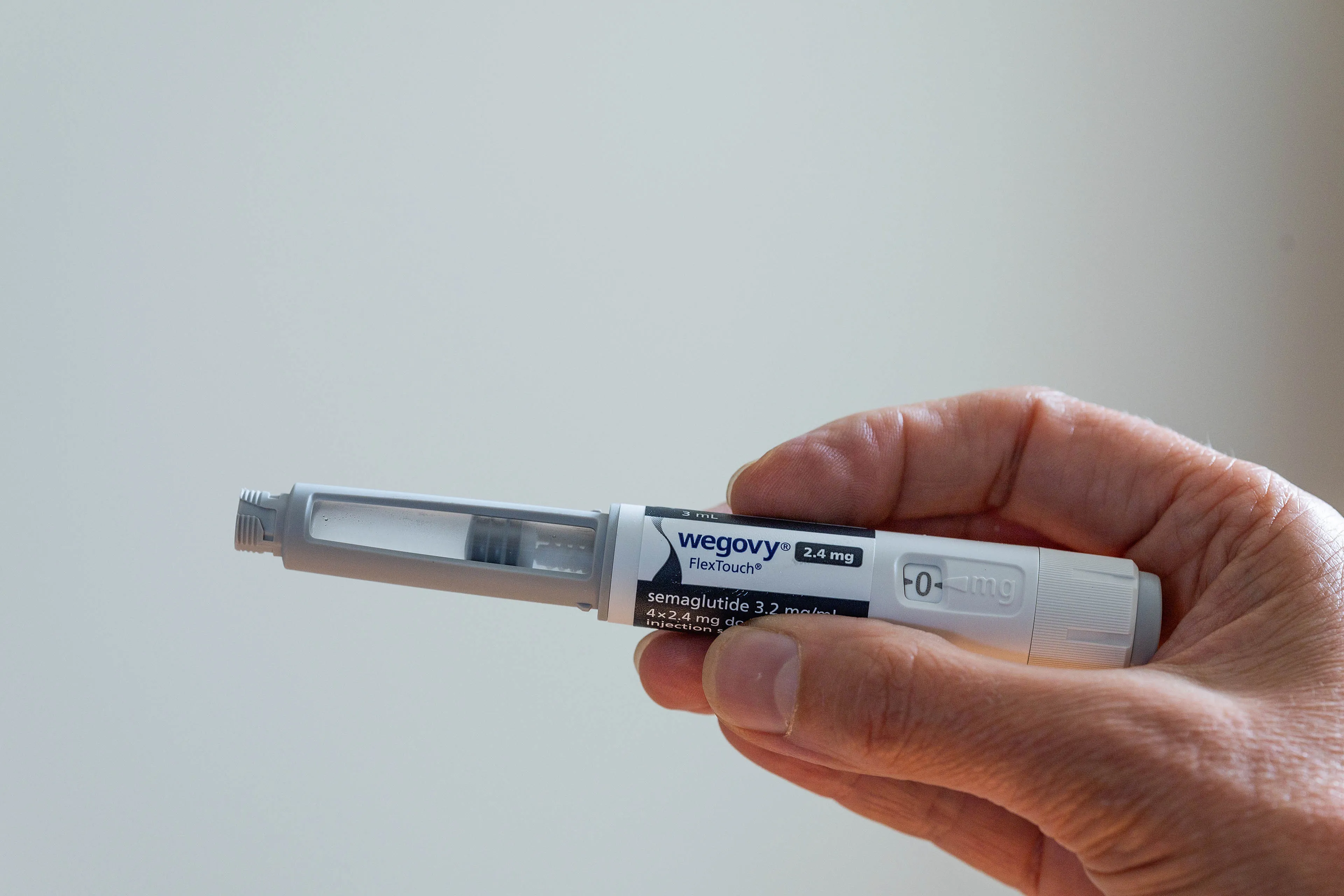
Year after year, Mary Bucklew collaborated with a nurse practitioner in her quest to lose weight. “We tried exercise,” she recalled, “like walking 35 minutes a day, and 39,000 different diets.” Despite her efforts, the scale barely budged; 5 pounds would come off, only to return. At 75, Bucklew, a public transit retiree from Ocean View, Delaware, found herself facing a body mass index that slightly exceeded 40, marking the threshold for severe obesity.
“There’s this new drug I’d like you to try, if your insurance will pay for it,” her nurse practitioner suggested, referring to Ozempic. While Medicare covered it for treating Type 2 diabetes, it wasn’t approved for weight loss and cost over $1,000 a month out-of-pocket. To her surprise, Bucklew discovered that her Medicare Advantage plan would cover it, charging just a $25 monthly copay, even though she wasn’t diabetic.
With the medication, her cravings for pizza, pasta, and red wine diminished. “The drug changed what I wanted to eat,” she said. Over six months, she lost 25 pounds, felt less fatigued, and began walking and biking more. However, her Medicare plan soon notified her that it would no longer cover the drug. Despite her healthcare team’s appeals, arguing that Ozempic was essential for her health, the coverage denial stood.
Bucklew’s experience reflects a troubling trend among older adults who begin taking GLP-1s and similar medications—effective treatments for diabetes, obesity, and other serious health issues—only to stop within months. This often leads to weight regain and a loss of health benefits, such as lower blood pressure, cholesterol, and A1c levels, which measure blood sugar over time.
GLP-1 medications like semaglutide (Ozempic, Wegovy, Rybelsus) and tirzepatide (Zepbound, Mounjaro) have been hailed as transformative in treating diabetes and obesity. The FDA has approved several GLP-1s for additional uses, including treating kidney disease, sleep apnea, and preventing heart attacks and strokes.
“They’re being studied for every purpose you can conceive of,” noted Timothy Anderson, a health services researcher at the University of Pittsburgh. However, drug trials have found no impact on dementia.
Older adults, particularly those aged 65 and above, are prime candidates for these medications. “The prevalence of obesity hovers around 40%” in this age group, said John Batsis, a geriatrician and obesity specialist at the University of North Carolina School of Medicine. The incidence of Type 2 diabetes also rises with age, reaching nearly 30% among those 65 and older. Yet, a recent JAMA Cardiology study revealed that about 60% of older Americans with diabetes discontinued semaglutide within a year.
Another study involving 125,474 individuals with obesity or who are overweight found that nearly 47% of those with Type 2 diabetes and almost 65% of those without diabetes stopped taking GLP-1s within a year. Patients aged 65 and older were 20% to 30% more likely to discontinue the drugs and less likely to return to them.
What accounts for this pattern? Gastrointestinal issues may affect as many as 20% of patients, leading to symptoms like nausea, vomiting, and bloating. Linda Burghardt, a 79-year-old researcher from Great Neck, New York, started taking Wegovy to alleviate arthritis pain. However, she experienced severe stomach upset and ultimately stopped the medication.
Some patients find that the weight loss induced by these medications can actually decrease their fitness, as muscle loss is another side effect. Trials have shown that 35% to 45% of GLP-1 weight loss is not fat, but rather “lean mass,” which includes muscle and bone.
Bill Colbert, a retired computer systems analyst from Churchill, Pennsylvania, enjoyed reenacting medieval combat. After starting Mounjaro, he successfully lowered his blood glucose and lost 18 pounds in two months. However, he noticed muscle loss and felt too weak to continue his hobby, leading him to discontinue the drug.
As we age, we naturally lose muscle mass—typically half a percent to 1% per year. “For people on these medications, the process is much more accelerated,” explained Zhenqi Liu, an endocrinologist at the University of Virginia. Losing muscle can result in frailty, falls, and fractures, prompting doctors to recommend exercise and adequate protein intake for GLP-1 users.
The high rate of discontinuation may also be linked to drug shortages; from 2022 to 2024, these medications became difficult to find. Additionally, many patients may not realize they will likely need to continue the medications indefinitely, even after achieving their weight or blood glucose goals.
Re-initiating treatment can pose its own risks. “If weight goes up and down, it sets people up for functional decline down the road,” Batsis cautioned. Financial factors also play a significant role. A Cleveland Clinic study found that nearly half of patients who discontinued semaglutide or tirzepatide cited cost or insurance issues as their reason.
Some price moderation has already occurred. The Biden administration has capped out-of-pocket payments for all prescriptions for Medicare beneficiaries, with a limit of $2,100 by 2026. Negotiations with manufacturers have also been authorized, which will eventually lower costs for medications like Ozempic and Wegovy.
However, the larger question remains: Will Medicare amend its 2003 regulations that prohibit Part D coverage for weight loss drugs? Many doctors argue that anti-obesity medications should be covered, as obesity is a disease that significantly impacts health and lifespan.
Yet, expanding coverage could lead to increased premiums for insurers. For older patients, often underrepresented in clinical trials, questions about GLP-1s persist. Could lower maintenance doses stabilize their weight? Can nutritional counseling and physical therapy mitigate muscle loss?
Bucklew, whose coverage was denied, still hopes to resume Ozempic. Due to a recent sleep apnea diagnosis, she now qualifies for Zepbound, which has a $50 monthly copay. Although she hasn’t seen any weight loss after three months, she remains optimistic: “I’ll stay the course and give it a shot.”
The New Old Age is produced through a partnership with The New York Times.
Year after year, Mary Bucklew collaborated with a nurse practitioner in her quest to lose weight. “We tried exercise,” she recalled, “like walking 35 minutes a day, and 39,000 different diets.” Despite her efforts, the scale barely budged; 5 pounds would come off, only to return. At 75, Bucklew, a public transit retiree from Ocean View, Delaware, found herself facing a body mass index that slightly exceeded 40, marking the threshold for severe obesity.
“There’s this new drug I’d like you to try, if your insurance will pay for it,” her nurse practitioner suggested, referring to Ozempic. While Medicare covered it for treating Type 2 diabetes, it wasn’t approved for weight loss and cost over $1,000 a month out-of-pocket. To her surprise, Bucklew discovered that her Medicare Advantage plan would cover it, charging just a $25 monthly copay, even though she wasn’t diabetic.
With the medication, her cravings for pizza, pasta, and red wine diminished. “The drug changed what I wanted to eat,” she said. Over six months, she lost 25 pounds, felt less fatigued, and began walking and biking more. However, her Medicare plan soon notified her that it would no longer cover the drug. Despite her healthcare team’s appeals, arguing that Ozempic was essential for her health, the coverage denial stood.
Bucklew’s experience reflects a troubling trend among older adults who begin taking GLP-1s and similar medications—effective treatments for diabetes, obesity, and other serious health issues—only to stop within months. This often leads to weight regain and a loss of health benefits, such as lower blood pressure, cholesterol, and A1c levels, which measure blood sugar over time.
GLP-1 medications like semaglutide (Ozempic, Wegovy, Rybelsus) and tirzepatide (Zepbound, Mounjaro) have been hailed as transformative in treating diabetes and obesity. The FDA has approved several GLP-1s for additional uses, including treating kidney disease, sleep apnea, and preventing heart attacks and strokes.
“They’re being studied for every purpose you can conceive of,” noted Timothy Anderson, a health services researcher at the University of Pittsburgh. However, drug trials have found no impact on dementia.
Older adults, particularly those aged 65 and above, are prime candidates for these medications. “The prevalence of obesity hovers around 40%” in this age group, said John Batsis, a geriatrician and obesity specialist at the University of North Carolina School of Medicine. The incidence of Type 2 diabetes also rises with age, reaching nearly 30% among those 65 and older. Yet, a recent JAMA Cardiology study revealed that about 60% of older Americans with diabetes discontinued semaglutide within a year.
Another study involving 125,474 individuals with obesity or who are overweight found that nearly 47% of those with Type 2 diabetes and almost 65% of those without diabetes stopped taking GLP-1s within a year. Patients aged 65 and older were 20% to 30% more likely to discontinue the drugs and less likely to return to them.
What accounts for this pattern? Gastrointestinal issues may affect as many as 20% of patients, leading to symptoms like nausea, vomiting, and bloating. Linda Burghardt, a 79-year-old researcher from Great Neck, New York, started taking Wegovy to alleviate arthritis pain. However, she experienced severe stomach upset and ultimately stopped the medication.
Some patients find that the weight loss induced by these medications can actually decrease their fitness, as muscle loss is another side effect. Trials have shown that 35% to 45% of GLP-1 weight loss is not fat, but rather “lean mass,” which includes muscle and bone.
Bill Colbert, a retired computer systems analyst from Churchill, Pennsylvania, enjoyed reenacting medieval combat. After starting Mounjaro, he successfully lowered his blood glucose and lost 18 pounds in two months. However, he noticed muscle loss and felt too weak to continue his hobby, leading him to discontinue the drug.
As we age, we naturally lose muscle mass—typically half a percent to 1% per year. “For people on these medications, the process is much more accelerated,” explained Zhenqi Liu, an endocrinologist at the University of Virginia. Losing muscle can result in frailty, falls, and fractures, prompting doctors to recommend exercise and adequate protein intake for GLP-1 users.
The high rate of discontinuation may also be linked to drug shortages; from 2022 to 2024, these medications became difficult to find. Additionally, many patients may not realize they will likely need to continue the medications indefinitely, even after achieving their weight or blood glucose goals.
Re-initiating treatment can pose its own risks. “If weight goes up and down, it sets people up for functional decline down the road,” Batsis cautioned. Financial factors also play a significant role. A Cleveland Clinic study found that nearly half of patients who discontinued semaglutide or tirzepatide cited cost or insurance issues as their reason.
Some price moderation has already occurred. The Biden administration has capped out-of-pocket payments for all prescriptions for Medicare beneficiaries, with a limit of $2,100 by 2026. Negotiations with manufacturers have also been authorized, which will eventually lower costs for medications like Ozempic and Wegovy.
However, the larger question remains: Will Medicare amend its 2003 regulations that prohibit Part D coverage for weight loss drugs? Many doctors argue that anti-obesity medications should be covered, as obesity is a disease that significantly impacts health and lifespan.
Yet, expanding coverage could lead to increased premiums for insurers. For older patients, often underrepresented in clinical trials, questions about GLP-1s persist. Could lower maintenance doses stabilize their weight? Can nutritional counseling and physical therapy mitigate muscle loss?
Bucklew, whose coverage was denied, still hopes to resume Ozempic. Due to a recent sleep apnea diagnosis, she now qualifies for Zepbound, which has a $50 monthly copay. Although she hasn’t seen any weight loss after three months, she remains optimistic: “I’ll stay the course and give it a shot.”
The New Old Age is produced through a partnership with The New York Times.