Trump Expands Oil Strategy by Seizing Russian-Flagged Tanker Tied to Venezuela
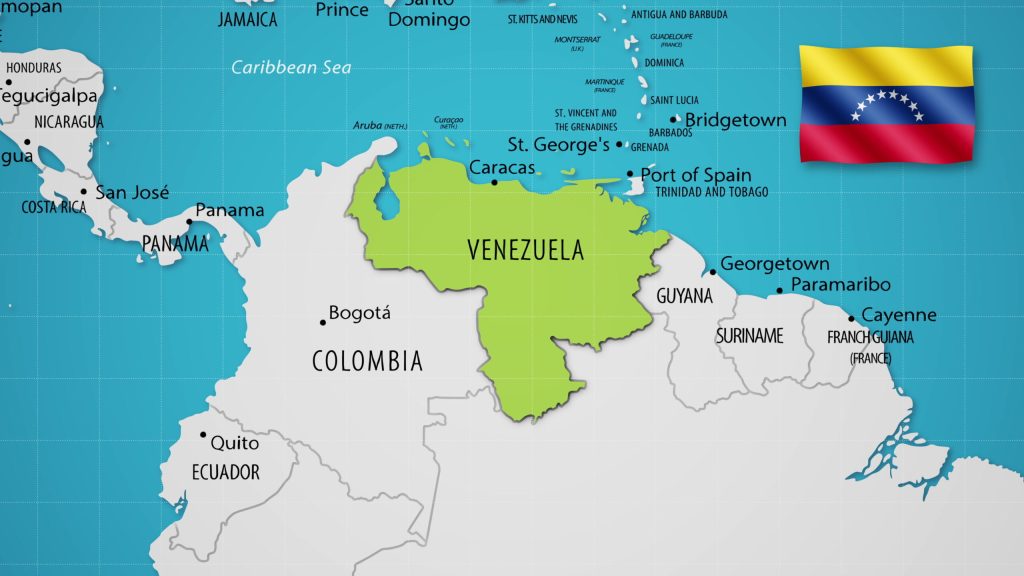
On Wednesday, the U.S. seized an empty Russian-flagged oil tanker linked to Venezuela in the Atlantic Ocean. This action is part of President Donald Trump’s aggressive strategy to control oil flows in the Americas and pressure Venezuela’s socialist government into alignment with U.S. interests.
Following the capture of Venezuelan President Nicolas Maduro in a recent attack on Caracas, the U.S. has intensified its blockade of vessels under sanctions off the coast of Venezuela, a member of the OPEC oil group. The U.S. Coast Guard, along with military special forces, apprehended the Marinera tanker, which had previously evaded boarding attempts and switched to a Russian flag, according to officials.
This operation received support from Britain’s Royal Air Force and one of its military vessels. British Defence Secretary John Healey remarked that this was part of “global efforts to crack down on sanctions busting.” However, the presence of a Russian submarine and vessels nearby raised the stakes, risking further confrontation with Russia, which has condemned U.S. actions in Venezuela and is already in conflict with the West over the war in Ukraine.
Russian state broadcaster RT displayed images of a helicopter hovering near the Marinera, originally named Bella-1, as U.S. forces began their boarding operation. Although the tanker was empty, Washington claims it has been involved in transporting sanctioned Venezuelan oil.
In another development, the U.S. Coast Guard intercepted the Panama-flagged M Sophia, a tanker carrying Venezuelan oil, near the northeast coast of South America. This marks the fourth seizure in recent weeks, with the tanker fully loaded according to records from state oil company PDVSA.
“The only maritime energy transport allowed will be that consistent with American law and national security,” stated Stephen Miller, deputy White House chief of staff, via social media. He emphasized the potential for the Venezuelan energy sector through legitimate commercial avenues established by the U.S.
China Condemns U.S. ‘Bullying’
Trump’s administration is also negotiating with Venezuela to redirect supplies intended for China, the country’s largest buyer, aiming to import up to $2 billion worth of crude oil. Chinese Foreign Ministry spokesperson Mao Ning criticized the U.S., calling its actions “typical acts of bullying.”
Trump has been vocal about controlling Venezuela’s vast oil reserves in collaboration with U.S. oil companies, especially after arresting Maduro, whom he has labeled a drug-trafficking dictator. Maduro recently pleaded not guilty to drug charges in a federal court in New York.
Despite the turmoil, Maduro’s Socialist Party allies remain in power. Acting President Delcy Rodriguez is navigating a delicate balance between denouncing Maduro’s “kidnapping” and exploring cooperation with the U.S. under Trump’s explicit threats.
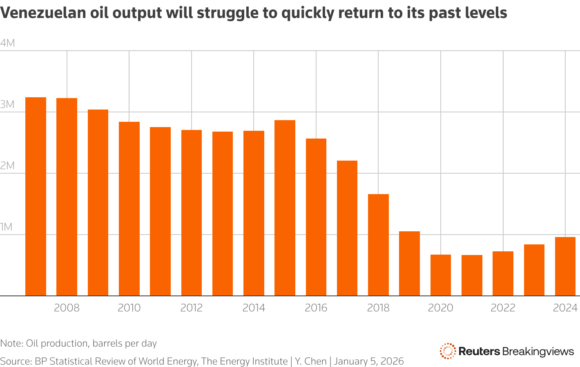
Trump has proposed refining and selling up to 50 million barrels of crude oil stuck in Venezuela as a first step to reviving a sector that has long been in decline, despite the country holding the largest oil reserves globally. “This oil will be sold at its market price, and that money will be controlled by me, as President of the United States, to ensure it benefits the people of Venezuela and the United States!” Trump tweeted on Tuesday.
Sources at PDVSA indicated that negotiations for an export deal are progressing, although the Venezuelan government has not made any official announcements. Following Trump’s plan, crude oil prices fell on world markets due to anticipated increased supplies.
China, Russia, and Venezuela’s leftist allies have all condemned the U.S. raid to capture Maduro, marking it as Washington’s most significant intervention in Latin America since the 1989 invasion of Panama to oust Manuel Noriega. Washington’s allies are also expressing concern over the precedent set by seizing a foreign head of state, as Trump continues to threaten further actions to advance U.S. interests.
Dozens Died During Maduro’s Capture
Venezuela has yet to confirm the total casualties from the attack on Caracas. The military reported 23 of its personnel dead, while Cuba stated that 32 members of its military and intelligence services were killed.
Maduro, who has ruled since the death of his predecessor Hugo Chavez in 2013, pleaded not guilty to narcotics charges in a Manhattan court, appearing in shackles and prison attire. Trump seems to believe that collaborating with Maduro’s senior allies is more beneficial for stability in Venezuela than focusing on political prisoners or democratic transitions.
Venezuelan Opposition Kept Waiting
Maria Corina Machado, a prominent anti-Maduro figure, has expressed her desire to return to Venezuela, where she believes the opposition could easily win a free election. However, she is cautious not to antagonize Trump, even suggesting she would like to personally present him with the Nobel Peace Prize she dedicated to him last October. She supports Trump’s vision of making Venezuela a key ally and energy hub in the Americas.
While engaging with Rodriguez and other top Venezuelan officials, the U.S. has warned that cooperation is essential to avoid sharing Maduro’s fate. Rodriguez herself is under U.S. sanctions, with her foreign financial assets identified as potential leverage in negotiations.
On Wednesday, the U.S. seized an empty Russian-flagged oil tanker linked to Venezuela in the Atlantic Ocean. This action is part of President Donald Trump’s aggressive strategy to control oil flows in the Americas and pressure Venezuela’s socialist government into alignment with U.S. interests.
Following the capture of Venezuelan President Nicolas Maduro in a recent attack on Caracas, the U.S. has intensified its blockade of vessels under sanctions off the coast of Venezuela, a member of the OPEC oil group. The U.S. Coast Guard, along with military special forces, apprehended the Marinera tanker, which had previously evaded boarding attempts and switched to a Russian flag, according to officials.
This operation received support from Britain’s Royal Air Force and one of its military vessels. British Defence Secretary John Healey remarked that this was part of “global efforts to crack down on sanctions busting.” However, the presence of a Russian submarine and vessels nearby raised the stakes, risking further confrontation with Russia, which has condemned U.S. actions in Venezuela and is already in conflict with the West over the war in Ukraine.
Russian state broadcaster RT displayed images of a helicopter hovering near the Marinera, originally named Bella-1, as U.S. forces began their boarding operation. Although the tanker was empty, Washington claims it has been involved in transporting sanctioned Venezuelan oil.
In another development, the U.S. Coast Guard intercepted the Panama-flagged M Sophia, a tanker carrying Venezuelan oil, near the northeast coast of South America. This marks the fourth seizure in recent weeks, with the tanker fully loaded according to records from state oil company PDVSA.
“The only maritime energy transport allowed will be that consistent with American law and national security,” stated Stephen Miller, deputy White House chief of staff, via social media. He emphasized the potential for the Venezuelan energy sector through legitimate commercial avenues established by the U.S.
China Condemns U.S. ‘Bullying’
Trump’s administration is also negotiating with Venezuela to redirect supplies intended for China, the country’s largest buyer, aiming to import up to $2 billion worth of crude oil. Chinese Foreign Ministry spokesperson Mao Ning criticized the U.S., calling its actions “typical acts of bullying.”
Trump has been vocal about controlling Venezuela’s vast oil reserves in collaboration with U.S. oil companies, especially after arresting Maduro, whom he has labeled a drug-trafficking dictator. Maduro recently pleaded not guilty to drug charges in a federal court in New York.
Despite the turmoil, Maduro’s Socialist Party allies remain in power. Acting President Delcy Rodriguez is navigating a delicate balance between denouncing Maduro’s “kidnapping” and exploring cooperation with the U.S. under Trump’s explicit threats.
Trump has proposed refining and selling up to 50 million barrels of crude oil stuck in Venezuela as a first step to reviving a sector that has long been in decline, despite the country holding the largest oil reserves globally. “This oil will be sold at its market price, and that money will be controlled by me, as President of the United States, to ensure it benefits the people of Venezuela and the United States!” Trump tweeted on Tuesday.
Sources at PDVSA indicated that negotiations for an export deal are progressing, although the Venezuelan government has not made any official announcements. Following Trump’s plan, crude oil prices fell on world markets due to anticipated increased supplies.
China, Russia, and Venezuela’s leftist allies have all condemned the U.S. raid to capture Maduro, marking it as Washington’s most significant intervention in Latin America since the 1989 invasion of Panama to oust Manuel Noriega. Washington’s allies are also expressing concern over the precedent set by seizing a foreign head of state, as Trump continues to threaten further actions to advance U.S. interests.
Dozens Died During Maduro’s Capture
Venezuela has yet to confirm the total casualties from the attack on Caracas. The military reported 23 of its personnel dead, while Cuba stated that 32 members of its military and intelligence services were killed.
Maduro, who has ruled since the death of his predecessor Hugo Chavez in 2013, pleaded not guilty to narcotics charges in a Manhattan court, appearing in shackles and prison attire. Trump seems to believe that collaborating with Maduro’s senior allies is more beneficial for stability in Venezuela than focusing on political prisoners or democratic transitions.
Venezuelan Opposition Kept Waiting
Maria Corina Machado, a prominent anti-Maduro figure, has expressed her desire to return to Venezuela, where she believes the opposition could easily win a free election. However, she is cautious not to antagonize Trump, even suggesting she would like to personally present him with the Nobel Peace Prize she dedicated to him last October. She supports Trump’s vision of making Venezuela a key ally and energy hub in the Americas.
While engaging with Rodriguez and other top Venezuelan officials, the U.S. has warned that cooperation is essential to avoid sharing Maduro’s fate. Rodriguez herself is under U.S. sanctions, with her foreign financial assets identified as potential leverage in negotiations.