California Legislation Mandates Insurer Claims Handling Plans and Increases Penalties
A significant legislative reform bill has been introduced in California, aiming to expedite disaster recovery for homeowners and renters. This initiative, known as the Disaster Recovery Reform Act (Senate Bill 876), was unveiled on the anniversary of the Los Angeles wildfires, highlighting the urgent need for improved insurance coverage and enhanced consumer protections.
SB 876 mandates that insurers develop a disaster recovery plan for managing claims during emergencies. Additionally, it proposes to double penalties for violations of insurance fair claims practices and settlement laws during declared emergencies. This legislation is spearheaded by California Insurance Commissioner Ricardo Lara and Senate Insurance Committee Chair Steve Padilla, responding directly to the pleas of wildfire disaster survivors for quicker claims payments.
According to Commissioner Lara, many wildfire survivors have reported persistent issues in accessing their insurance benefits. Common complaints include delays, denials, and miscommunication from insurance companies, which have topped the list of grievances filed with the California Department of Insurance since the January 2025 L.A. wildfires.
As of now, insurers have disbursed over $22.4 billion on tens of thousands of claims related to the L.A. wildfires, as per the latest data from the California Department of Insurance. A report from Morningstar DBS Research labeled the fires as “a significant stress event” for California’s property and casualty insurance sector.
In a parallel effort to assist wildfire survivors, California Governor Gavin Newsom announced that several major banks have agreed to extend mortgage relief for L.A. wildfire victims, aiding the area’s recovery one year after the devastating blazes.
The latest data from the California Department of Insurance indicates that 94% of the 42,121 policyholder claims filed have been fully or partially paid. However, Lara emphasizes that more action is necessary to ensure successful recoveries and safer communities.
Related: Most Losses in Destructive Eaton Fire Tied to Conflagration Hazard, Report Shows
SB 876 would require insurers to submit a “disaster recovery plan” for claims handling, which must be reviewed by the California Department of Insurance (CDI) before implementation during emergencies. The bill also aims to address reported delays in payments by mandating that insurers provide status updates to policyholders within five days of assigning a new adjuster to a claim.
Key provisions of the bill include:
- Doubling policy limits for additional living expenses during declared disasters.
- Expediting up-front payments by requiring actual cash value and structure replacement costs to be paid promptly following a total loss, with interest payable for late payments.
- Mandating the offer of extended and guaranteed replacement cost coverage when writing a policy, along with regular updates on replacement cost estimates for new business and renewals.
- Applying mandatory building code upgrade coverage at the time of rebuild, rather than at the time of loss, to accommodate updated regulations.
The L.A. wildfires, which resulted in the destruction of 11,000 homes, have underscored the existing homeowners insurance crisis in the state. The aftermath of the fires has led several insurers to limit or cease offering homeowners insurance in wildfire-prone areas, prompting the state’s insurance regulator to initiate regulatory changes aimed at fast-tracking rate requests and improving catastrophe modeling to encourage insurers to return.
In response to the ongoing challenges in the insurance market, Lara has implemented several measures to stabilize the sector. According to the Morningstar report, these reforms have allowed carriers to secure premium increases more swiftly. While these changes are seen as positive steps toward creating a sustainable property insurance market, there remains concern over the heavy reliance on the FAIR Plan, the insurer of last resort, which poses ongoing risks for the industry.
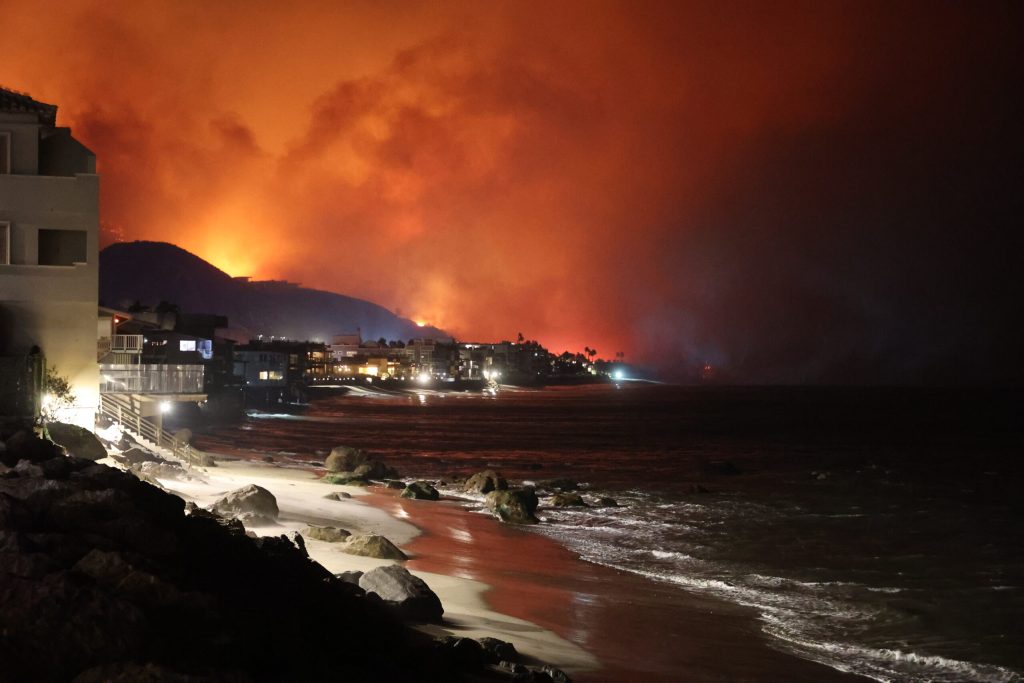
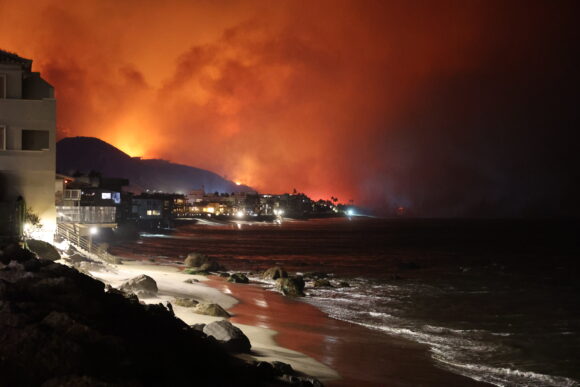
Top photo: 2025 Pacific Palisades Fire. Source: CalFire.
Topics
California
Carriers
Claims
Interested in Carriers?
Get automatic alerts for this topic.
A significant legislative reform bill has been introduced in California, aiming to expedite disaster recovery for homeowners and renters. This initiative, known as the Disaster Recovery Reform Act (Senate Bill 876), was unveiled on the anniversary of the Los Angeles wildfires, highlighting the urgent need for improved insurance coverage and enhanced consumer protections.
SB 876 mandates that insurers develop a disaster recovery plan for managing claims during emergencies. Additionally, it proposes to double penalties for violations of insurance fair claims practices and settlement laws during declared emergencies. This legislation is spearheaded by California Insurance Commissioner Ricardo Lara and Senate Insurance Committee Chair Steve Padilla, responding directly to the pleas of wildfire disaster survivors for quicker claims payments.
According to Commissioner Lara, many wildfire survivors have reported persistent issues in accessing their insurance benefits. Common complaints include delays, denials, and miscommunication from insurance companies, which have topped the list of grievances filed with the California Department of Insurance since the January 2025 L.A. wildfires.
As of now, insurers have disbursed over $22.4 billion on tens of thousands of claims related to the L.A. wildfires, as per the latest data from the California Department of Insurance. A report from Morningstar DBS Research labeled the fires as “a significant stress event” for California’s property and casualty insurance sector.
In a parallel effort to assist wildfire survivors, California Governor Gavin Newsom announced that several major banks have agreed to extend mortgage relief for L.A. wildfire victims, aiding the area’s recovery one year after the devastating blazes.
The latest data from the California Department of Insurance indicates that 94% of the 42,121 policyholder claims filed have been fully or partially paid. However, Lara emphasizes that more action is necessary to ensure successful recoveries and safer communities.
Related: Most Losses in Destructive Eaton Fire Tied to Conflagration Hazard, Report Shows
SB 876 would require insurers to submit a “disaster recovery plan” for claims handling, which must be reviewed by the California Department of Insurance (CDI) before implementation during emergencies. The bill also aims to address reported delays in payments by mandating that insurers provide status updates to policyholders within five days of assigning a new adjuster to a claim.
Key provisions of the bill include:
- Doubling policy limits for additional living expenses during declared disasters.
- Expediting up-front payments by requiring actual cash value and structure replacement costs to be paid promptly following a total loss, with interest payable for late payments.
- Mandating the offer of extended and guaranteed replacement cost coverage when writing a policy, along with regular updates on replacement cost estimates for new business and renewals.
- Applying mandatory building code upgrade coverage at the time of rebuild, rather than at the time of loss, to accommodate updated regulations.
The L.A. wildfires, which resulted in the destruction of 11,000 homes, have underscored the existing homeowners insurance crisis in the state. The aftermath of the fires has led several insurers to limit or cease offering homeowners insurance in wildfire-prone areas, prompting the state’s insurance regulator to initiate regulatory changes aimed at fast-tracking rate requests and improving catastrophe modeling to encourage insurers to return.
In response to the ongoing challenges in the insurance market, Lara has implemented several measures to stabilize the sector. According to the Morningstar report, these reforms have allowed carriers to secure premium increases more swiftly. While these changes are seen as positive steps toward creating a sustainable property insurance market, there remains concern over the heavy reliance on the FAIR Plan, the insurer of last resort, which poses ongoing risks for the industry.
Top photo: 2025 Pacific Palisades Fire. Source: CalFire.
Topics
California
Carriers
Claims
Interested in Carriers?
Get automatic alerts for this topic.