Washington DC DOT Aims to Remove Automated Traffic Cameras
Check out what’s clicking on FoxBusiness.com.
The Department of Transportation is making strides to eliminate automated traffic enforcement cameras in Washington, D.C. This proposal, recently submitted to the White House Office of Management and Budget, could lead to significant revenue losses for the city. However, it is likely to be welcomed by drivers who have faced frustration over traffic tickets generated by these cameras, as reported by POLITICO.
The initiative aims to ban speed, red light, and stop sign cameras throughout the district as part of the upcoming surface transportation bill that Congress is eager to pass this year. The proposal explicitly states that it would “prohibit the operation of automated traffic camera enforcement in the District of Columbia.”
DEMOCRAT SENATORS PUSH BILL FORCING AIRLINES TO PROVIDE CASH COMPENSATION FOR LONG FLIGHT DELAYS
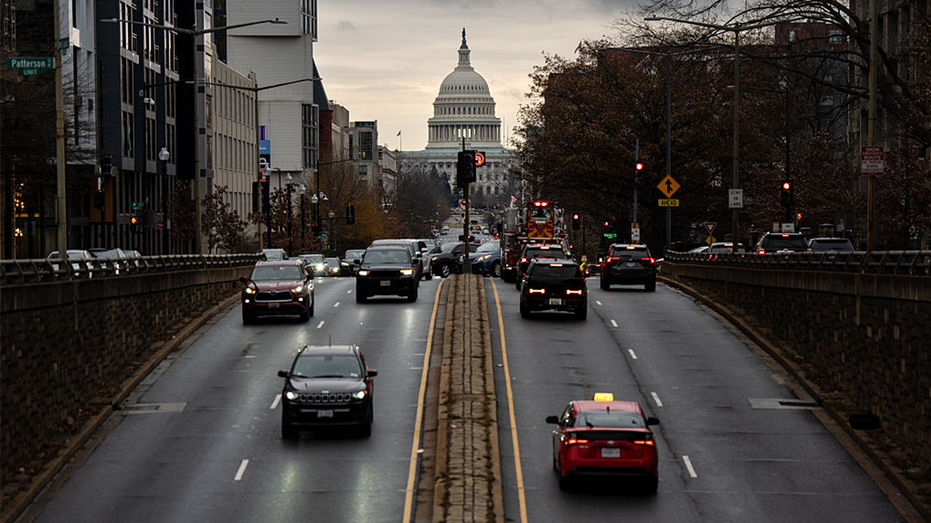
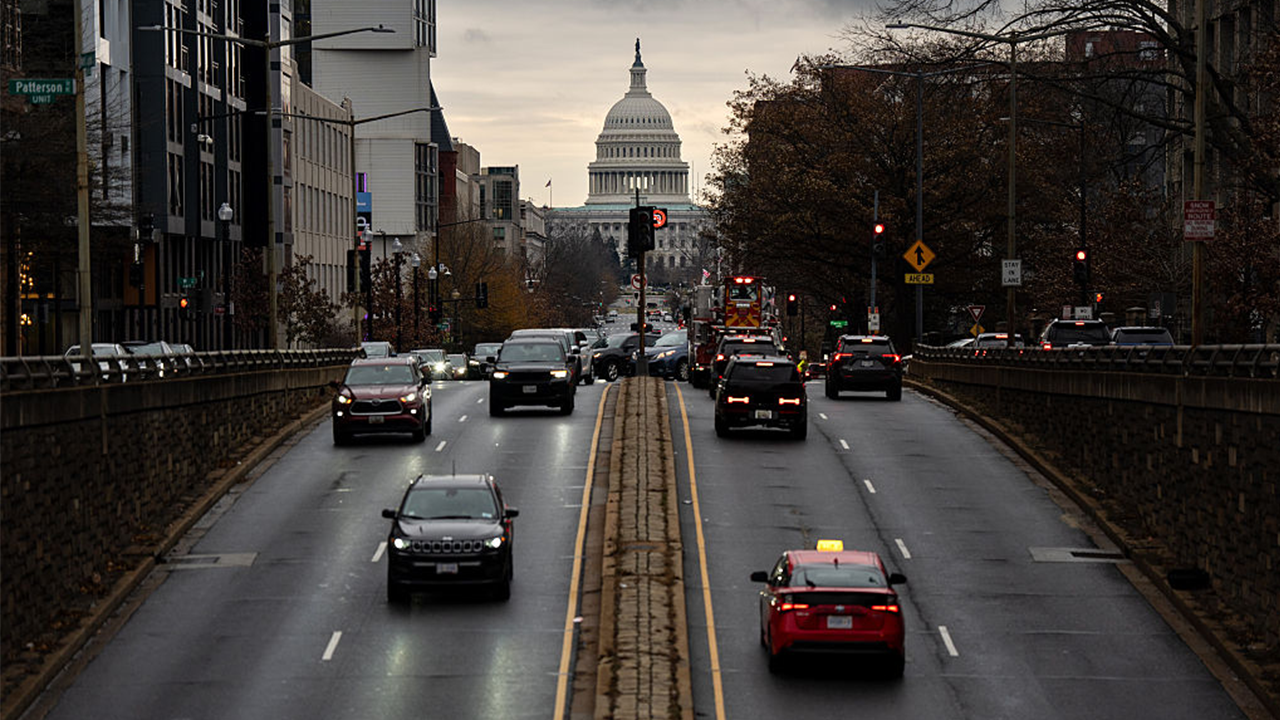
The Department of Transportation is seeking to eliminate the use of automated traffic enforcement cameras in Washington, D.C. (Getty Images / Getty Images)
According to DOT spokesperson Nate Sizemore, the agency is “constantly examining a broad set of preliminary policy options on transportation matters.” He noted that many of these options are currently under internal review.
Since the introduction of red light cameras in 1999, the district has expanded its use of traffic enforcement cameras, now totaling nearly 550 active units. The Automated Safety Camera program addresses various traffic violations, including unauthorized vehicles in bus lanes and truck-restricted routes.
Fines for violations can range from $100 to $500, with higher penalties for serious infractions, such as passing a school bus with flashing lights or exceeding the speed limit by more than 25 miles per hour.
The proposal would “prohibit the operation of automated traffic camera enforcement in the District of Columbia.” (Getty Images / Getty Images)
Previous attempts to reduce the use of traffic cameras on Capitol Hill have not yet succeeded. A House fiscal 2026 spending bill aimed to prevent D.C. from using funds for automated traffic enforcement, but it never reached the voting stage. Additionally, Rep. Scott Perry, R-Pa., has introduced a proposal to eliminate the district’s authority to use these systems.
Perry criticized the current system, stating, “Automated traffic enforcement is being used to generate revenue, not enhance safety.” He emphasized that cities like Washington, D.C., which rely on this revenue to balance their budgets, demonstrate that the policy is more about profit than public safety. “It’s un-American and should be abolished,” he concluded.
The D.C. government maintains that its traffic enforcement program is designed to improve roadway safety for all users. However, as POLITICO noted, it also plays a significant role in the district’s revenue generation.

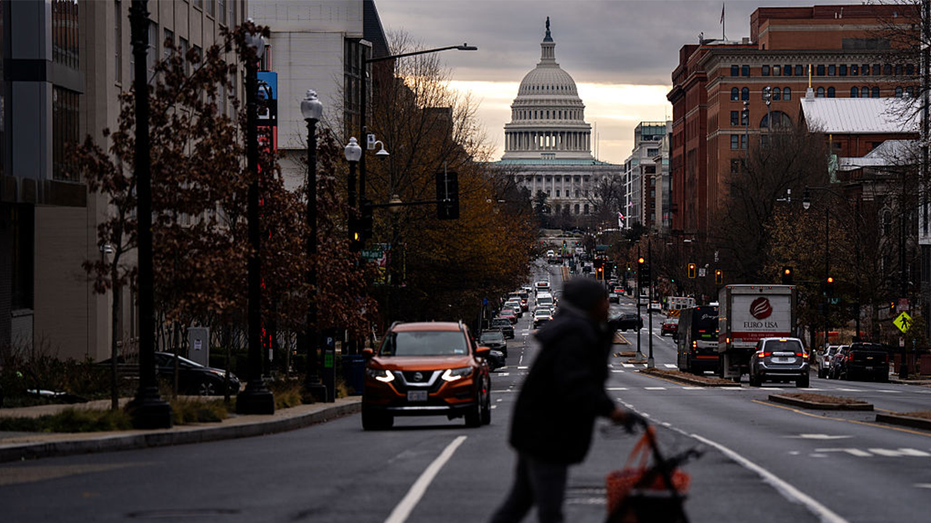
The proposal seeks to outlaw speed, red light, and stop sign cameras throughout the district. (Ryan Collerd/Bloomberg via Getty Images / Getty Images)
GET FOX BUSINESS ON THE GO BY CLICKING HERE
In fiscal year 2023, Washington generated $139.5 million from automated traffic enforcement cameras, with projections of $213.3 million for fiscal 2024 and $267.3 million for fiscal 2025, according to Eric Balliet, a spokesperson for D.C.’s Office of the Chief Financial Officer.
Over a decade ago, Mayor Muriel Bowser initiated Vision Zero, a program aimed at reducing roadway injuries and fatalities to zero. The addition of traffic cameras has been a key component of this initiative.
The Vision Zero website states, “District of Columbia Mayor Muriel Bowser launched Vision Zero in 2014 to inspire and transform DC’s roadway safety efforts, aiming for zero fatalities or serious injuries on our streets. Since then, the District Department of Transportation (DDOT) has focused on designing streets that are safe for everyone, collaborating with community members to identify issues and develop solutions.”
Check out what’s clicking on FoxBusiness.com.
The Department of Transportation is making strides to eliminate automated traffic enforcement cameras in Washington, D.C. This proposal, recently submitted to the White House Office of Management and Budget, could lead to significant revenue losses for the city. However, it is likely to be welcomed by drivers who have faced frustration over traffic tickets generated by these cameras, as reported by POLITICO.
The initiative aims to ban speed, red light, and stop sign cameras throughout the district as part of the upcoming surface transportation bill that Congress is eager to pass this year. The proposal explicitly states that it would “prohibit the operation of automated traffic camera enforcement in the District of Columbia.”
DEMOCRAT SENATORS PUSH BILL FORCING AIRLINES TO PROVIDE CASH COMPENSATION FOR LONG FLIGHT DELAYS
The Department of Transportation is seeking to eliminate the use of automated traffic enforcement cameras in Washington, D.C. (Getty Images / Getty Images)
According to DOT spokesperson Nate Sizemore, the agency is “constantly examining a broad set of preliminary policy options on transportation matters.” He noted that many of these options are currently under internal review.
Since the introduction of red light cameras in 1999, the district has expanded its use of traffic enforcement cameras, now totaling nearly 550 active units. The Automated Safety Camera program addresses various traffic violations, including unauthorized vehicles in bus lanes and truck-restricted routes.
Fines for violations can range from $100 to $500, with higher penalties for serious infractions, such as passing a school bus with flashing lights or exceeding the speed limit by more than 25 miles per hour.
The proposal would “prohibit the operation of automated traffic camera enforcement in the District of Columbia.” (Getty Images / Getty Images)
Previous attempts to reduce the use of traffic cameras on Capitol Hill have not yet succeeded. A House fiscal 2026 spending bill aimed to prevent D.C. from using funds for automated traffic enforcement, but it never reached the voting stage. Additionally, Rep. Scott Perry, R-Pa., has introduced a proposal to eliminate the district’s authority to use these systems.
Perry criticized the current system, stating, “Automated traffic enforcement is being used to generate revenue, not enhance safety.” He emphasized that cities like Washington, D.C., which rely on this revenue to balance their budgets, demonstrate that the policy is more about profit than public safety. “It’s un-American and should be abolished,” he concluded.
The D.C. government maintains that its traffic enforcement program is designed to improve roadway safety for all users. However, as POLITICO noted, it also plays a significant role in the district’s revenue generation.
The proposal seeks to outlaw speed, red light, and stop sign cameras throughout the district. (Ryan Collerd/Bloomberg via Getty Images / Getty Images)
GET FOX BUSINESS ON THE GO BY CLICKING HERE
In fiscal year 2023, Washington generated $139.5 million from automated traffic enforcement cameras, with projections of $213.3 million for fiscal 2024 and $267.3 million for fiscal 2025, according to Eric Balliet, a spokesperson for D.C.’s Office of the Chief Financial Officer.
Over a decade ago, Mayor Muriel Bowser initiated Vision Zero, a program aimed at reducing roadway injuries and fatalities to zero. The addition of traffic cameras has been a key component of this initiative.
The Vision Zero website states, “District of Columbia Mayor Muriel Bowser launched Vision Zero in 2014 to inspire and transform DC’s roadway safety efforts, aiming for zero fatalities or serious injuries on our streets. Since then, the District Department of Transportation (DDOT) has focused on designing streets that are safe for everyone, collaborating with community members to identify issues and develop solutions.”