Energy Secretary Christopher Wright Foresees Rapid Oil Expansion in Venezuela
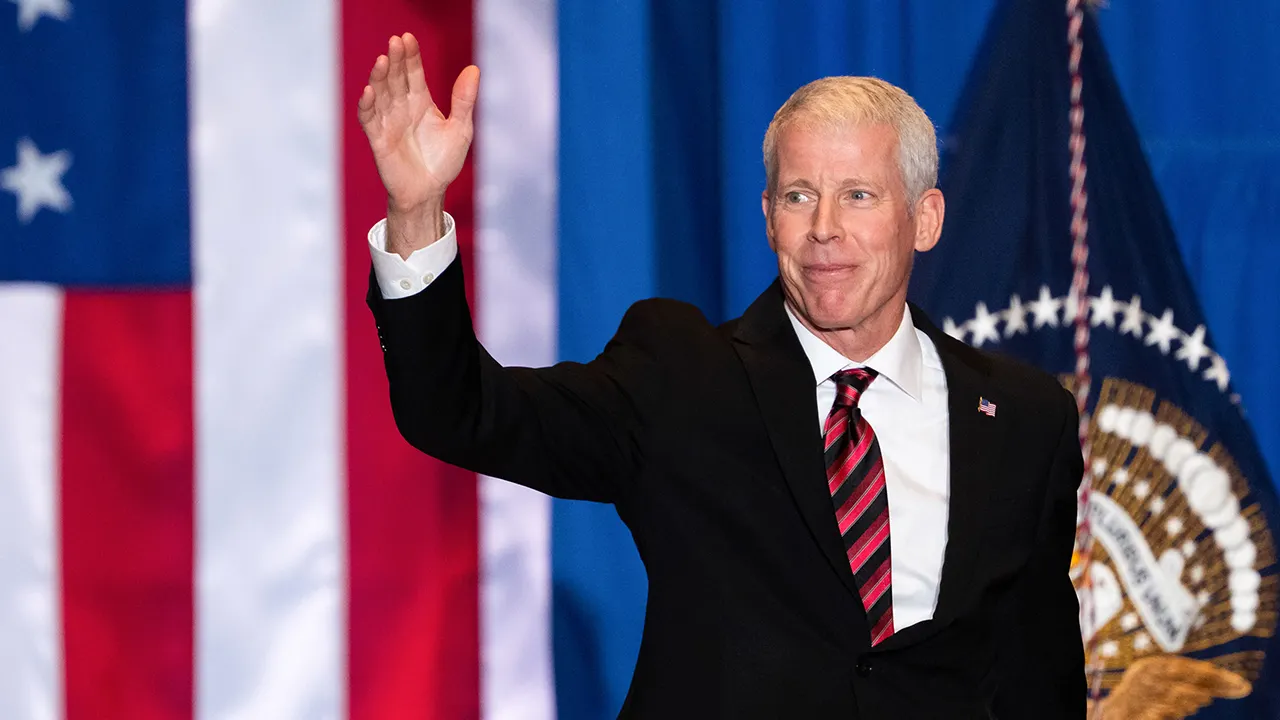
U.S. Energy Secretary Chris Wright joins ‘Mornings with Maria’ to explain the Trump administration’s plan to seize and sell Venezuelan oil, drive down global energy prices, and cut off funding to the Maduro regime.
As the White House gears up to meet with America’s largest oil companies regarding Venezuela’s oil sector, U.S. Energy Secretary Christopher Wright provided insights into the potential developments for the oil-rich nation and the timeline for producers to assist in resource development.
“Of course, we’d like to go back to Venezuela. You know, it’s United States companies that started their oil and gas industry – Chevron’s been there for over 100 years,” Wright stated during an interview with FOX Business’ Maria Bartiromo on Thursday. He emphasized that the U.S. played a significant role in Venezuela’s oil industry, noting that in 1950, the country was the fourth-highest per-capita nation globally, thanks to American capital and ingenuity.
“So you’re going to see, probably, a growth in Chevron activities there quickly. You’re going to see Conoco and Exxon and dozens of other American firms immediately looking at, ‘Hey, what constructive role can we play? How can we be a little bit of help for existing operations?’” he added. Wright highlighted that these companies would assess the current state of the industry and provide productive advice and assistance.
President Donald Trump plans to meet with executives from major U.S. oil companies on Friday to discuss expanding U.S. industry involvement in Venezuela’s energy sector following recent developments.
VENEZUELA’S FALL ECHOES BERLIN WALL COLLAPSE, SAYS EXPERT WHOSE PARENTS FLED SOVIET UNION
Currently, Chevron is the only major U.S. oil company operating in Venezuela, while ConocoPhillips and ExxonMobil had operations there before their assets were nationalized under Hugo Chávez over a decade ago.
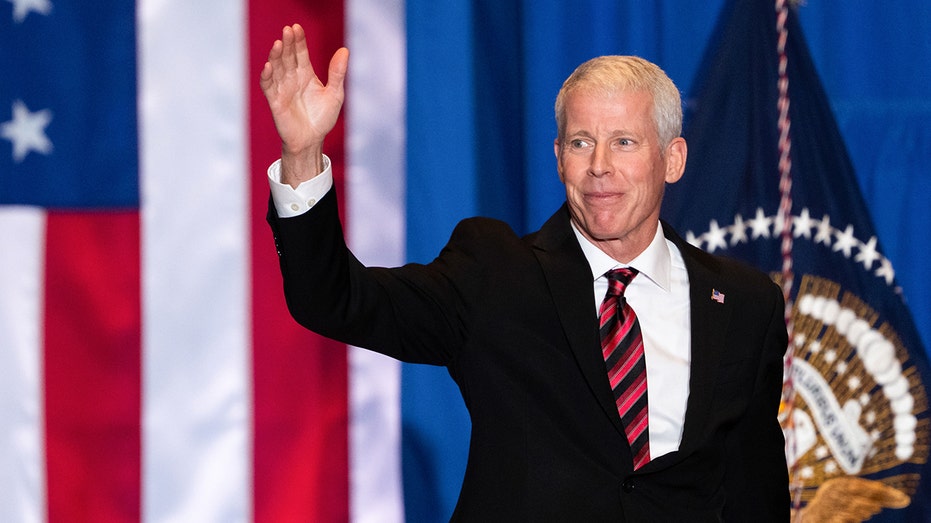
Chris Wright, U.S. energy secretary, arrives for an event at Mount Airy Casino Resort in Mount Pocono, Pennsylvania, on Tuesday, Dec. 9, 2025. (Getty Images)
“The biggest problem with that meeting is so many people [are] disappointed that I didn’t invite them to come as well,” Wright remarked. “There is tremendous American interest to see how we can help the United States government, how we can help solve the problem in Venezuela — it’s not only been rough for Venezuela, but it’s plagued our shores, our cities, our countrysides. A collapsed state in the Western Hemisphere is bad for America.”
Former Energy Secretary Rick Perry joins ‘Varney & Co.’ to discuss Venezuelan oil flowing to the US, President Donald Trump’s energy strategy, and the growing threat from China.
Venezuela’s oil output has sharply declined over the past two decades due to underinvestment, mismanagement, sanctions, and infrastructure decay, plummeting from approximately 3.5 million barrels per day in the late 1990s to around 1.1 million barrels per day by the end of 2025. President Trump has stated that the United States will oversee Venezuelan oil sales as part of broader efforts to support the country’s transition following Nicolás Maduro’s removal.
“You can sell oil together with the United States, or you can not sell oil,” Wright asserted. He elaborated, “Venezuela is choosing, ‘Maybe we should work with the United States.’ So that oil, we’re allowing it to flow again, it’s marketed by the United States government. The money’s going to flow into accounts, and then, of course, they’ll get greater oil revenue than they were getting before. And then that money will be funded back to Venezuela. Now we’ve got nice aligned incentives. Let’s end the criminality and the displacement, and the destructive behavior towards American citizens and try to get Venezuela going in the right direction.”
Independent Women’s Center for Energy and Conservation director and daughter of Soviet escapees Gabriella Hoffman speaks to Fox News Digital about the market and geopolitical implications of the capture of Venezuela’s Nicolas Maduro.
When asked about the timeline for the oil transition, Wright indicated it would occur “pretty quickly,” predicting that Venezuela’s output could rise from around 800,000 barrels per day to well over 1 million as companies re-engage and invest in infrastructure.
FOX Business’ Edward Lawrence and Eric Revell contributed to this report.
U.S. Energy Secretary Chris Wright joins ‘Mornings with Maria’ to explain the Trump administration’s plan to seize and sell Venezuelan oil, drive down global energy prices, and cut off funding to the Maduro regime.
As the White House gears up to meet with America’s largest oil companies regarding Venezuela’s oil sector, U.S. Energy Secretary Christopher Wright provided insights into the potential developments for the oil-rich nation and the timeline for producers to assist in resource development.
“Of course, we’d like to go back to Venezuela. You know, it’s United States companies that started their oil and gas industry – Chevron’s been there for over 100 years,” Wright stated during an interview with FOX Business’ Maria Bartiromo on Thursday. He emphasized that the U.S. played a significant role in Venezuela’s oil industry, noting that in 1950, the country was the fourth-highest per-capita nation globally, thanks to American capital and ingenuity.
“So you’re going to see, probably, a growth in Chevron activities there quickly. You’re going to see Conoco and Exxon and dozens of other American firms immediately looking at, ‘Hey, what constructive role can we play? How can we be a little bit of help for existing operations?’” he added. Wright highlighted that these companies would assess the current state of the industry and provide productive advice and assistance.
President Donald Trump plans to meet with executives from major U.S. oil companies on Friday to discuss expanding U.S. industry involvement in Venezuela’s energy sector following recent developments.
VENEZUELA’S FALL ECHOES BERLIN WALL COLLAPSE, SAYS EXPERT WHOSE PARENTS FLED SOVIET UNION
Currently, Chevron is the only major U.S. oil company operating in Venezuela, while ConocoPhillips and ExxonMobil had operations there before their assets were nationalized under Hugo Chávez over a decade ago.
Chris Wright, U.S. energy secretary, arrives for an event at Mount Airy Casino Resort in Mount Pocono, Pennsylvania, on Tuesday, Dec. 9, 2025. (Getty Images)
“The biggest problem with that meeting is so many people [are] disappointed that I didn’t invite them to come as well,” Wright remarked. “There is tremendous American interest to see how we can help the United States government, how we can help solve the problem in Venezuela — it’s not only been rough for Venezuela, but it’s plagued our shores, our cities, our countrysides. A collapsed state in the Western Hemisphere is bad for America.”
Former Energy Secretary Rick Perry joins ‘Varney & Co.’ to discuss Venezuelan oil flowing to the US, President Donald Trump’s energy strategy, and the growing threat from China.
Venezuela’s oil output has sharply declined over the past two decades due to underinvestment, mismanagement, sanctions, and infrastructure decay, plummeting from approximately 3.5 million barrels per day in the late 1990s to around 1.1 million barrels per day by the end of 2025. President Trump has stated that the United States will oversee Venezuelan oil sales as part of broader efforts to support the country’s transition following Nicolás Maduro’s removal.
“You can sell oil together with the United States, or you can not sell oil,” Wright asserted. He elaborated, “Venezuela is choosing, ‘Maybe we should work with the United States.’ So that oil, we’re allowing it to flow again, it’s marketed by the United States government. The money’s going to flow into accounts, and then, of course, they’ll get greater oil revenue than they were getting before. And then that money will be funded back to Venezuela. Now we’ve got nice aligned incentives. Let’s end the criminality and the displacement, and the destructive behavior towards American citizens and try to get Venezuela going in the right direction.”
Independent Women’s Center for Energy and Conservation director and daughter of Soviet escapees Gabriella Hoffman speaks to Fox News Digital about the market and geopolitical implications of the capture of Venezuela’s Nicolas Maduro.
When asked about the timeline for the oil transition, Wright indicated it would occur “pretty quickly,” predicting that Venezuela’s output could rise from around 800,000 barrels per day to well over 1 million as companies re-engage and invest in infrastructure.
FOX Business’ Edward Lawrence and Eric Revell contributed to this report.