Expert Cautions That Venezuela’s Rare Earth Minerals May Be Neglected
GM Defense President Steve duMont joins ‘Varney & Co.’ to break down America’s race to build its first heavy rare earth refinery, the growing threat of Chinese supply cuts, and the urgent push to secure materials critical to U.S. military power.
The recent deposition of Venezuelan dictator Nicolás Maduro has ignited discussions about the country’s future and its abundant natural resources. While many, including President Donald Trump, have emphasized Venezuela’s oil as a potential boon for the U.S., experts suggest that the nation’s rare earth minerals might be overlooked.
On Monday, Trump announced that Venezuela would be transferring “between 30 and 50 million” barrels of oil to the U.S. following Maduro’s capture. He stated, “I am pleased to announce that the Interim Authorities in Venezuela will be turning over between 30 and 50 MILLION barrels of high-quality, sanctioned oil to the United States of America. This oil will be sold at its market price, and that money will be controlled by me, as President of the United States of America, to ensure it is used to benefit the people of Venezuela and the United States!”
TRUMP TO MEET WITH OIL EXECUTIVES ABOUT VENEZUELA ON FRIDAY
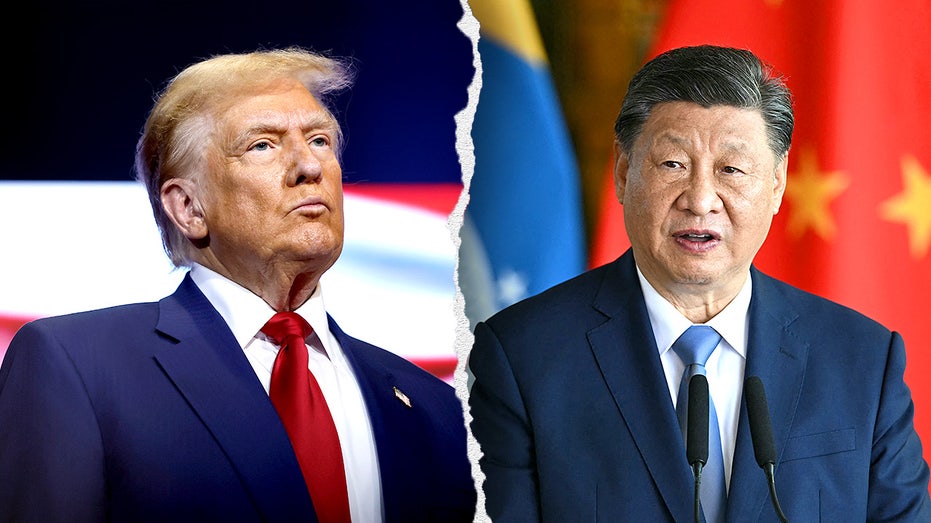
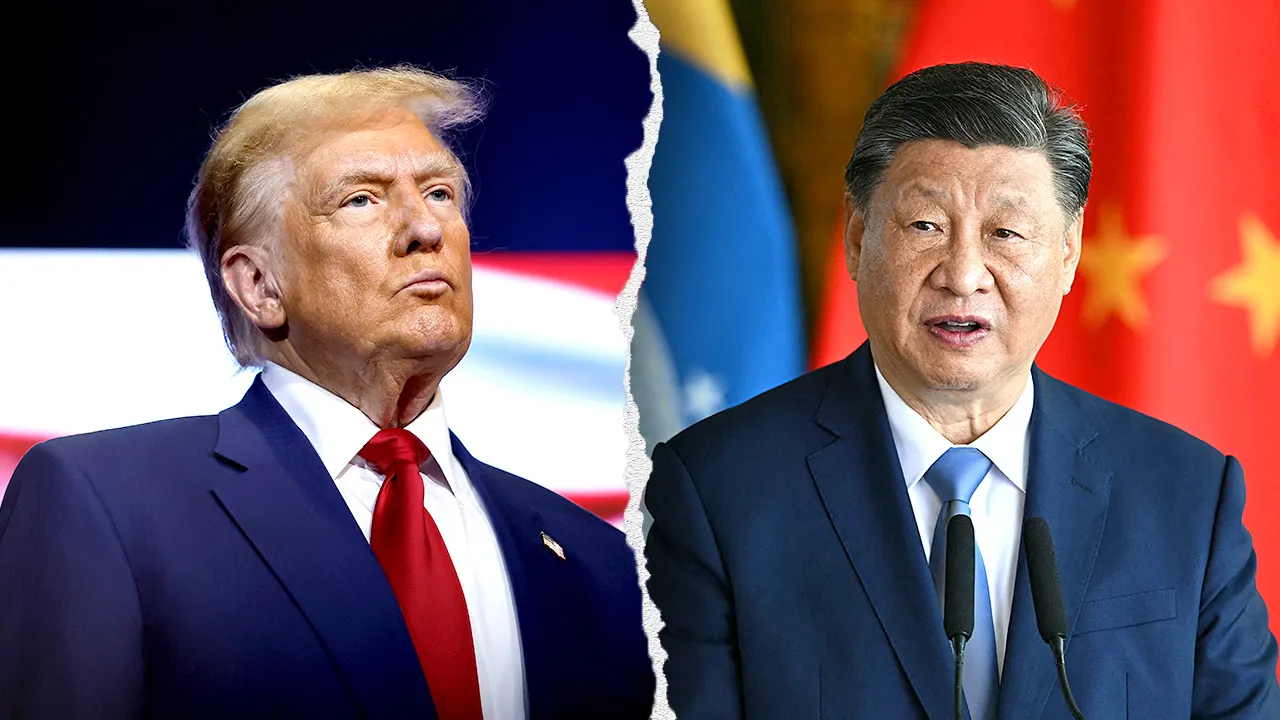
President Donald Trump and Chinese President Xi Jinping. (Anna Moneymaker/Getty Images; Evaristo SA/Getty Images / Getty Images)
However, the president has yet to clarify what the U.S. plans to do with Venezuela’s rare earths. Trump has previously leveraged rare earths in global negotiations, such as his dealings with Ukraine, indicating their strategic significance.
Anthony Esposito, Founder and CEO of AscalonVI Capital, emphasized the importance of rare earths, stating, “While everyone’s talking about energy, which is very important, and everyone’s talking about the human rights issue, regardless of what side you’re on, there are some other major issues here, and rare earths are definitely one of them.” He pointed out that China currently dominates the rare earth market, controlling 70% of production and 90% of processing and refining.
Esposito noted, “The Chinese, along with the Iranians, have very successfully moved into Venezuela and are starting to bottleneck the supply that’s there.” Rare earths are vital for various applications, including advanced technology products like smartphones, electric vehicles, and military equipment such as radars and cruise missiles.
Despite the potential, independent verification of Venezuela’s rare earth reserves is limited. According to Rare Earth Exchanges, Venezuela’s reserves do not match those of China, Australia, or the U.S., consisting mainly of “reported occurrences associated with the Guayana Shield.”
Esposito believes that while Venezuela’s resources won’t completely solve the U.S.’s reliance on China, they could significantly contribute. He argues for sourcing more crucial materials from “our side of the globe.”
TRUMP OUTMANEUVERS CHINA IN THE BATTLE FOR RARE EARTH POWER
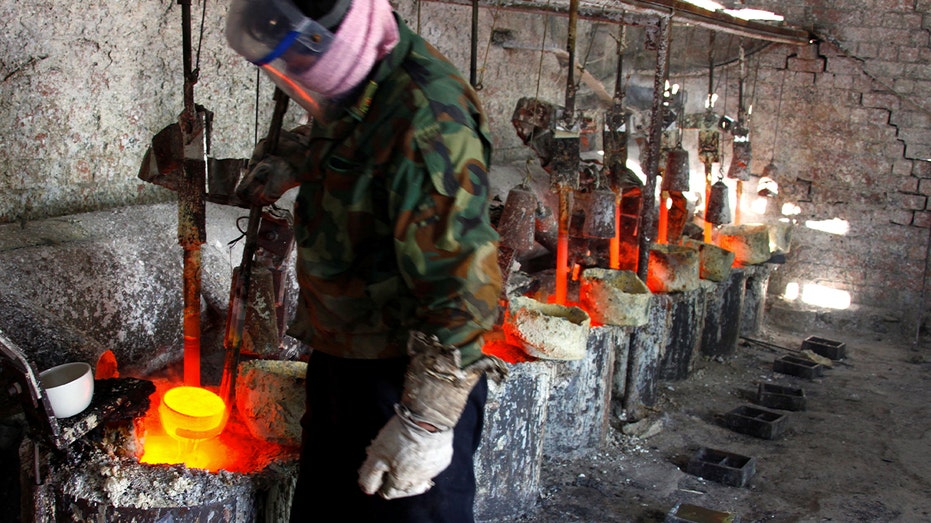
Ren Limin, a worker at the Jinyuan Company’s smelting workshop, prepares to pour the rare earth metal Lanthanum into a mold near the town of Damao in China’s Inner Mongolia Autonomous Region on Oct. 31, 2010. (David Gray/Reuters / Reuters)
Esposito estimates that Venezuela has about 300,000 metric tons of rare earths, roughly half of what is found in China. He believes that Trump’s moves in Ukraine, which involve establishing business relationships for mining rare earths, are part of a larger strategy to build alliances against China’s dominance in this sector.
He remarked, “So, is Venezuela going to overrun the rare earths that are available in China right now? No. Is it part of a bigger chess game? Absolutely, and I think it’s a significant part of that game.”
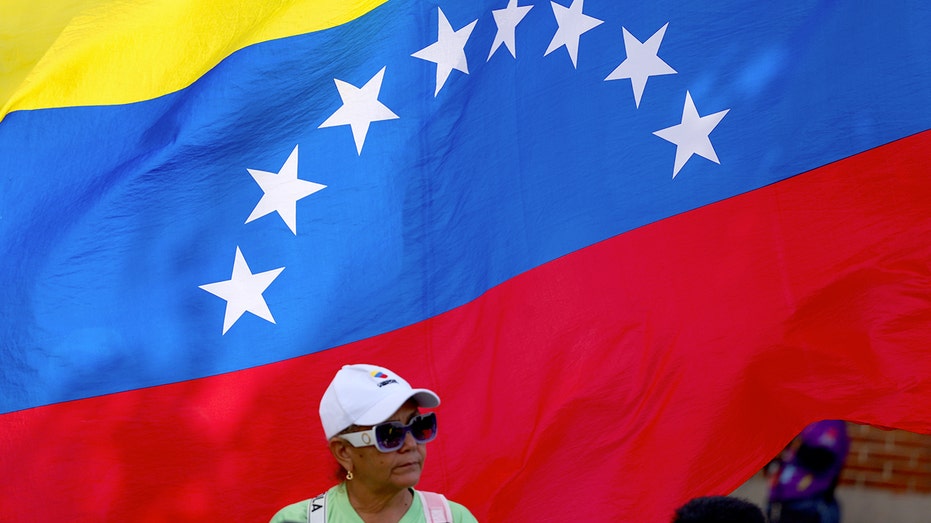
A woman waits in front of a Venezuelan flag during a rally organized by the ruling party calling for the release of President Nicolás Maduro and his wife, Cilia Flores, in Caracas, Venezuela, on Jan. 7, 2026. ( Javier Campos/NurPhoto via Getty Images / Getty Images)
GET FOX BUSINESS ON THE GO BY CLICKING HERE
Esposito cautioned that Venezuela’s rare earth potential would not provide an immediate solution, estimating that it could take several years for it to significantly impact the supply chain, even under U.S. control. “I think you’re probably looking at a three to six-year process for both energy and for rare earths. Just to build the infrastructure, just to start the mining and the extraction is going to be a paramount project,” he explained.
Fox News Digital’s Eric Revell contributed to this report.
GM Defense President Steve duMont joins ‘Varney & Co.’ to break down America’s race to build its first heavy rare earth refinery, the growing threat of Chinese supply cuts, and the urgent push to secure materials critical to U.S. military power.
The recent deposition of Venezuelan dictator Nicolás Maduro has ignited discussions about the country’s future and its abundant natural resources. While many, including President Donald Trump, have emphasized Venezuela’s oil as a potential boon for the U.S., experts suggest that the nation’s rare earth minerals might be overlooked.
On Monday, Trump announced that Venezuela would be transferring “between 30 and 50 million” barrels of oil to the U.S. following Maduro’s capture. He stated, “I am pleased to announce that the Interim Authorities in Venezuela will be turning over between 30 and 50 MILLION barrels of high-quality, sanctioned oil to the United States of America. This oil will be sold at its market price, and that money will be controlled by me, as President of the United States of America, to ensure it is used to benefit the people of Venezuela and the United States!”
TRUMP TO MEET WITH OIL EXECUTIVES ABOUT VENEZUELA ON FRIDAY
President Donald Trump and Chinese President Xi Jinping. (Anna Moneymaker/Getty Images; Evaristo SA/Getty Images / Getty Images)
However, the president has yet to clarify what the U.S. plans to do with Venezuela’s rare earths. Trump has previously leveraged rare earths in global negotiations, such as his dealings with Ukraine, indicating their strategic significance.
Anthony Esposito, Founder and CEO of AscalonVI Capital, emphasized the importance of rare earths, stating, “While everyone’s talking about energy, which is very important, and everyone’s talking about the human rights issue, regardless of what side you’re on, there are some other major issues here, and rare earths are definitely one of them.” He pointed out that China currently dominates the rare earth market, controlling 70% of production and 90% of processing and refining.
Esposito noted, “The Chinese, along with the Iranians, have very successfully moved into Venezuela and are starting to bottleneck the supply that’s there.” Rare earths are vital for various applications, including advanced technology products like smartphones, electric vehicles, and military equipment such as radars and cruise missiles.
Despite the potential, independent verification of Venezuela’s rare earth reserves is limited. According to Rare Earth Exchanges, Venezuela’s reserves do not match those of China, Australia, or the U.S., consisting mainly of “reported occurrences associated with the Guayana Shield.”
Esposito believes that while Venezuela’s resources won’t completely solve the U.S.’s reliance on China, they could significantly contribute. He argues for sourcing more crucial materials from “our side of the globe.”
TRUMP OUTMANEUVERS CHINA IN THE BATTLE FOR RARE EARTH POWER
Ren Limin, a worker at the Jinyuan Company’s smelting workshop, prepares to pour the rare earth metal Lanthanum into a mold near the town of Damao in China’s Inner Mongolia Autonomous Region on Oct. 31, 2010. (David Gray/Reuters / Reuters)
Esposito estimates that Venezuela has about 300,000 metric tons of rare earths, roughly half of what is found in China. He believes that Trump’s moves in Ukraine, which involve establishing business relationships for mining rare earths, are part of a larger strategy to build alliances against China’s dominance in this sector.
He remarked, “So, is Venezuela going to overrun the rare earths that are available in China right now? No. Is it part of a bigger chess game? Absolutely, and I think it’s a significant part of that game.”
A woman waits in front of a Venezuelan flag during a rally organized by the ruling party calling for the release of President Nicolás Maduro and his wife, Cilia Flores, in Caracas, Venezuela, on Jan. 7, 2026. ( Javier Campos/NurPhoto via Getty Images / Getty Images)
GET FOX BUSINESS ON THE GO BY CLICKING HERE
Esposito cautioned that Venezuela’s rare earth potential would not provide an immediate solution, estimating that it could take several years for it to significantly impact the supply chain, even under U.S. control. “I think you’re probably looking at a three to six-year process for both energy and for rare earths. Just to build the infrastructure, just to start the mining and the extraction is going to be a paramount project,” he explained.
Fox News Digital’s Eric Revell contributed to this report.