Why 5% Growth Isn’t a Problem: Insights from Larry Kudlow
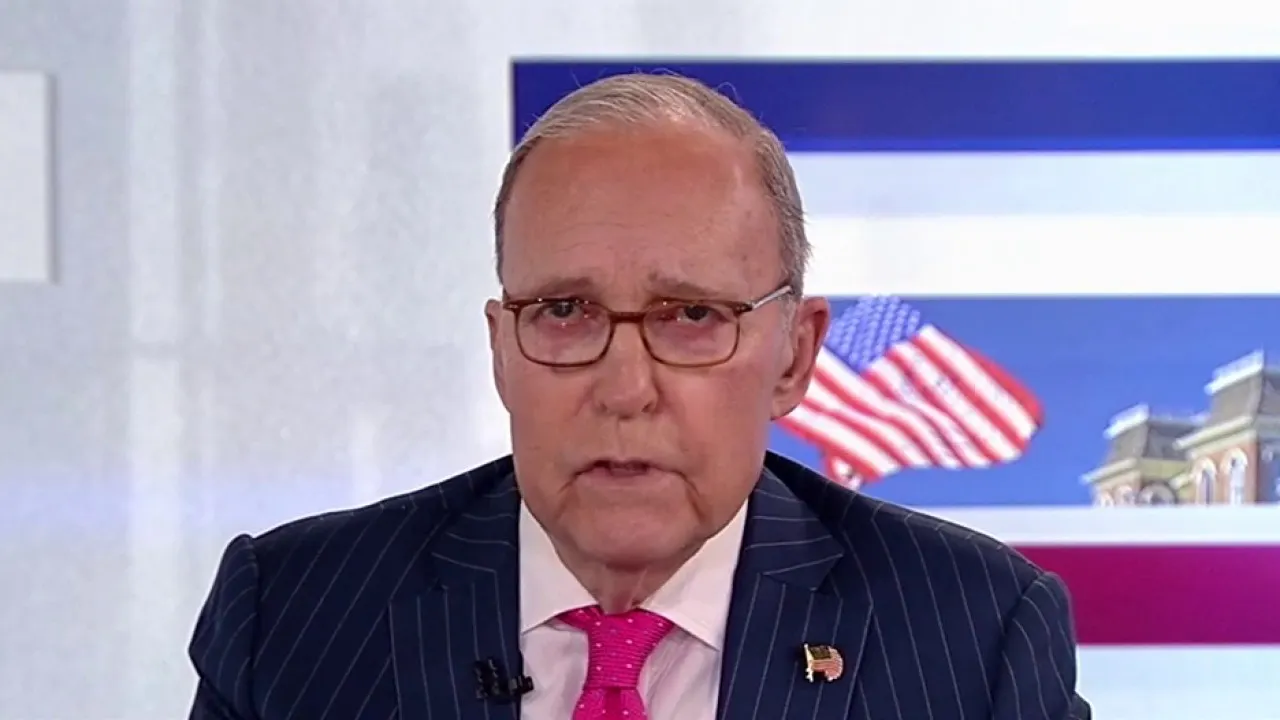
FOX Business host Larry Kudlow resounds growing optimism for the U.S. economy on ‘Kudlow.’
What’s wrong with 5% growth? Or more?
As we kick off the new year, I want to reiterate my belief that a Trump economic boom could yield growth rates of 5%, 6%, or even 7%. Recent data has emerged that is even more robust than I anticipated. Economists, take note: Mr. Trump has a deeper understanding of the economy than many realize. So, what’s the issue with aiming for 5% or better growth?
The Atlanta Fed’s GDPNow forecast for Q4, which was previously impacted by shutdowns, has been revised upward to an impressive 5.4%. Additionally, productivity—one of the most crucial economic indicators—has averaged 4.5% over the last two quarters. This figure represents output per hour in the non-farm sector. More significantly, non-financial corporate productivity has risen by 3.8% during the same period. With productivity trending around 4%, the pathway to achieving 5% (or higher) economic growth is wide open.
U.S. Ambassador to NATO Matthew Whitaker joins ‘Mornings with Maria’ to discuss President Donald Trump’s Venezuela oil strategy and the national security push behind a potential Greenland acquisition.
Let’s not forget the often-overlooked narrative: declining oil prices represent a positive oil shock. This situation acts like a substantial tax cut for both consumers and businesses, effectively transitioning from Biden-era inflation to Trump-era deflation. After nearly five years of inflation driven by COVID-19 policies, the emergence of deflationary pressures from oil prices is a significant boon for the economy. Meanwhile, Democrats seem paralyzed by the success of President Trump’s economic strategies, which include supply-side tax cuts, deregulation, and a focus on energy independence.
As economic indicators continue to improve, the outlook for the GOP in the upcoming midterm elections appears increasingly favorable. Treasury official Scott Bessent, speaking at the Minnesota Economic Club, highlighted the benefits of full expensing for factories, equipment, and farm structures. Business investment spending is currently running at 12% through the first three quarters of last year, yet even he seems to overlook the positive effects of falling oil prices that are rippling through the economy.
We can expect to see some negative CPI prints in the near future, underscoring the importance of energy prices. It’s not just gasoline that is softening; hundreds of other prices are influenced by declining petroleum costs. Meanwhile, initial jobless claims continue to decrease on a four-week average, and the trade deficit in October fell significantly more than anticipated.
Gatestone Institute senior fellow Gordon Chang joins ‘Mornings with Maria’ to discuss China’s backlash to President Donald Trump’s seizure of Venezuelan oil and what it means for U.S. energy dominance and global power.
In this context, we see Mr. Trump advocating for a ‘drill, baby, drill’ approach, aiming to eliminate communism from the Western Hemisphere as part of the Trump Corollary to the Monroe Doctrine. This strategy seeks to shift the center of oil power from the Persian Gulf back to the Americas, where it rightfully belongs.
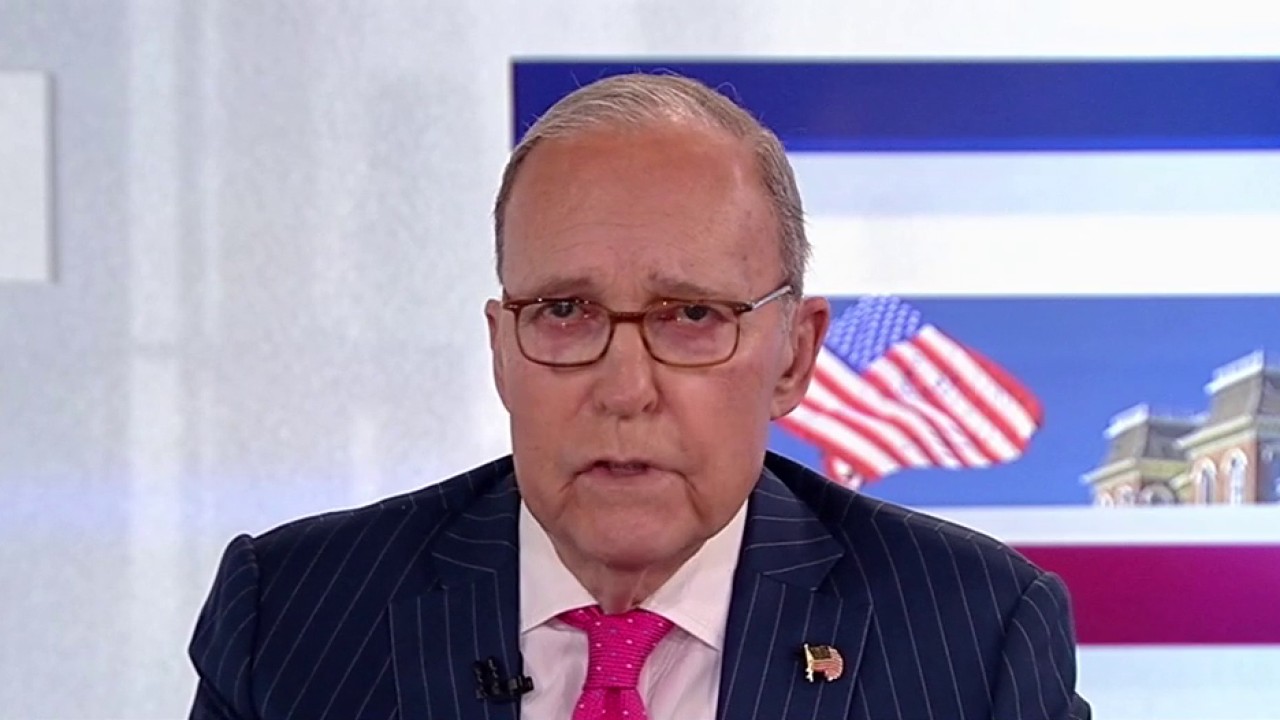
FOX Business host Larry Kudlow resounds growing optimism for the U.S. economy on ‘Kudlow.’
What’s wrong with 5% growth? Or more?
As we kick off the new year, I want to reiterate my belief that a Trump economic boom could yield growth rates of 5%, 6%, or even 7%. Recent data has emerged that is even more robust than I anticipated. Economists, take note: Mr. Trump has a deeper understanding of the economy than many realize. So, what’s the issue with aiming for 5% or better growth?
The Atlanta Fed’s GDPNow forecast for Q4, which was previously impacted by shutdowns, has been revised upward to an impressive 5.4%. Additionally, productivity—one of the most crucial economic indicators—has averaged 4.5% over the last two quarters. This figure represents output per hour in the non-farm sector. More significantly, non-financial corporate productivity has risen by 3.8% during the same period. With productivity trending around 4%, the pathway to achieving 5% (or higher) economic growth is wide open.
U.S. Ambassador to NATO Matthew Whitaker joins ‘Mornings with Maria’ to discuss President Donald Trump’s Venezuela oil strategy and the national security push behind a potential Greenland acquisition.
Let’s not forget the often-overlooked narrative: declining oil prices represent a positive oil shock. This situation acts like a substantial tax cut for both consumers and businesses, effectively transitioning from Biden-era inflation to Trump-era deflation. After nearly five years of inflation driven by COVID-19 policies, the emergence of deflationary pressures from oil prices is a significant boon for the economy. Meanwhile, Democrats seem paralyzed by the success of President Trump’s economic strategies, which include supply-side tax cuts, deregulation, and a focus on energy independence.
As economic indicators continue to improve, the outlook for the GOP in the upcoming midterm elections appears increasingly favorable. Treasury official Scott Bessent, speaking at the Minnesota Economic Club, highlighted the benefits of full expensing for factories, equipment, and farm structures. Business investment spending is currently running at 12% through the first three quarters of last year, yet even he seems to overlook the positive effects of falling oil prices that are rippling through the economy.
We can expect to see some negative CPI prints in the near future, underscoring the importance of energy prices. It’s not just gasoline that is softening; hundreds of other prices are influenced by declining petroleum costs. Meanwhile, initial jobless claims continue to decrease on a four-week average, and the trade deficit in October fell significantly more than anticipated.
Gatestone Institute senior fellow Gordon Chang joins ‘Mornings with Maria’ to discuss China’s backlash to President Donald Trump’s seizure of Venezuelan oil and what it means for U.S. energy dominance and global power.
In this context, we see Mr. Trump advocating for a ‘drill, baby, drill’ approach, aiming to eliminate communism from the Western Hemisphere as part of the Trump Corollary to the Monroe Doctrine. This strategy seeks to shift the center of oil power from the Persian Gulf back to the Americas, where it rightfully belongs.