US Chip Manufacturing Lags Behind Asia Despite Recent Intel Achievements
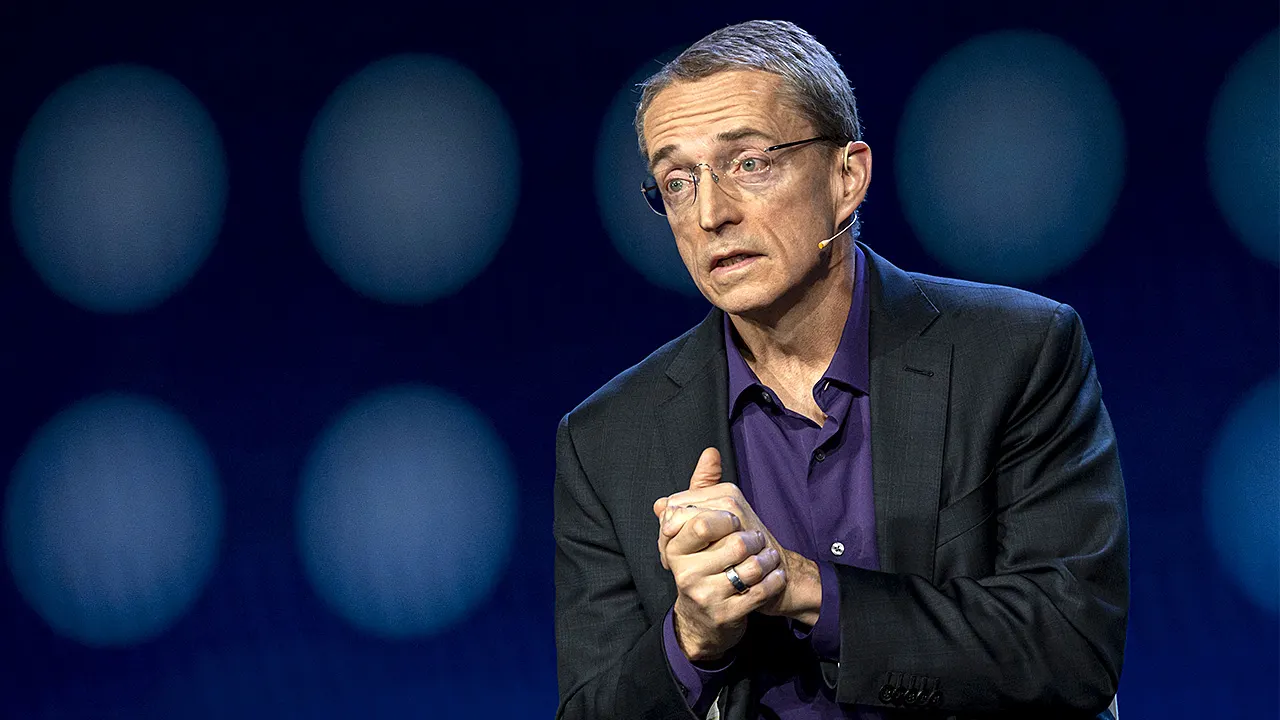
Former Intel CEO Pat Gelsinger joins ‘The Claman Countdown’ to react to Intel’s CES chip announcement and President Trump’s support for expanding U.S. manufacturing.
Intel recently unveiled significant milestones in chip manufacturing, but Pat Gelsinger warns that the United States still faces considerable challenges in reclaiming chip production from Asia.
During an appearance on “The Claman Countdown,” Gelsinger emphasized, “The metric [is] though, how many wafers are being built in America. That is the only thing that matters.”
His remarks come as the Trump administration takes steps to bolster U.S. chip manufacturing, including acquiring a stake in Intel and advocating for the return of advanced semiconductor production to American soil.
AMD CEO SAYS AI DEMAND IS ‘GOING THROUGH THE ROOF’ AS COSTS CLIMB
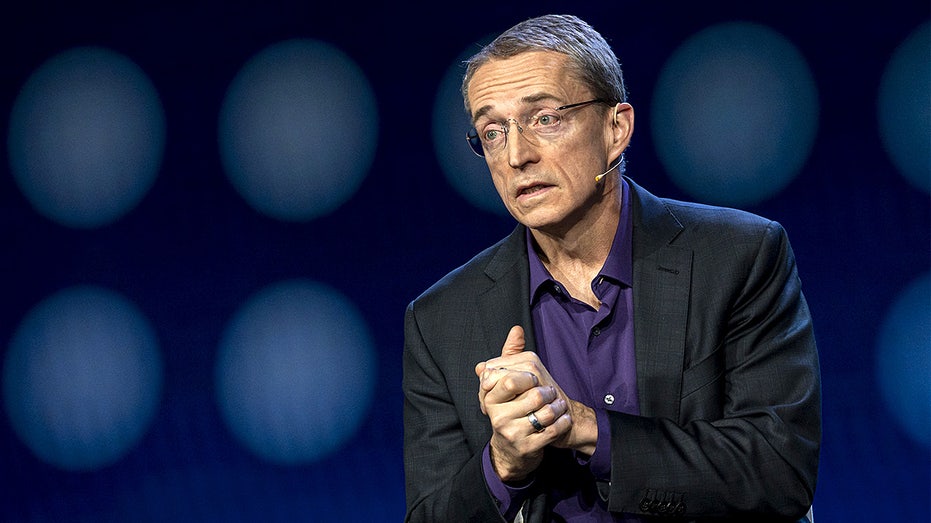
Patrick Gelsinger, former chief executive officer of Intel Corp., appears at the 2024 CES event in Las Vegas, Nevada, on Jan. 9, 2024. (David Paul Morris/Bloomberg via Getty Images / Getty Images)
Currently, much of the world’s advanced chip manufacturing is concentrated in Asia, particularly in Taiwan. U.S. officials have expressed concerns that this imbalance poses both economic and national security risks.
Gelsinger stressed the importance of bringing manufacturing back to the United States, while also acknowledging that this process will take time. “It’s hard to win that manufacturing back. You know it took decades for it to sediment into Asia. It doesn’t come back quickly,” he noted.
NVIDIA LEADS AMERICA’S AI ‘INDUSTRIAL REVOLUTION’ WITH MAJOR MANUFACTURING MOVE
In a recent meeting at the White House, President Donald Trump met with Intel CEO Lip-Bu Tan, later praising the company on social media and describing the meeting as “great.”
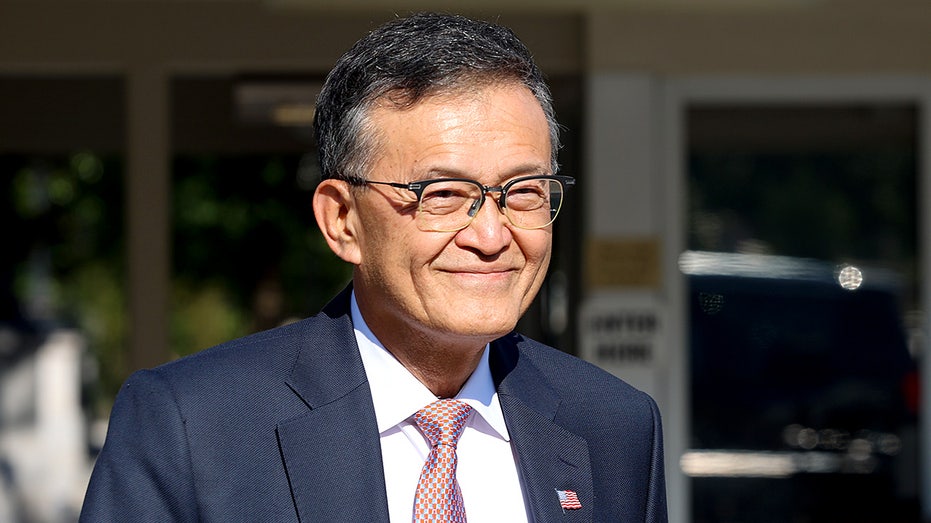
Lip-Bu Tan, chief executive officer of Intel Corp., departs after a meeting at the White House in Washington, D.C., on Aug. 11, 2025. (Alex Wroblewski/Bloomberg via Getty Images / Getty Images)
Trump also stated that the U.S. government is “proud to be a shareholder of Intel.” In August, the government acquired nearly a 10% stake in the chipmaker as part of a broader initiative aimed at national security. Advanced computer chips are crucial for military applications, everyday electronics, and maintaining competitiveness in the AI sector.
On Thursday, Tan expressed gratitude for Trump’s support, stating on X, “Honored and delighted to have the full support and encouragement of @POTUS @realDonaldTrump and @CommerceGov Secretary @howardlutnick as we bring leading edge chip manufacturing back to America!”
AI BREAKTHROUGHS AND FUTURISTIC GADGETS WOW CROWDS AT CES 2026 EXTRAVAGANZA
Gelsinger emphasized that major chip designers like Nvidia and AMD must also commit to manufacturing chips in the U.S., as these commitments are integral to Intel’s long-term strategy. “All of those need to come back into the foundry of the U.S. and the foundry of Intel,” he stated. “I’m certainly encouraged to see these milestones, but we have a lot more to do.”
Former Intel CEO Pat Gelsinger discusses the U.S.-China race for A.I. chip dominance, the proposed Safe Chips Act and more on ‘Maria Bartiromo’s Wall Street.’
Former Intel CEO Pat Gelsinger joins ‘The Claman Countdown’ to react to Intel’s CES chip announcement and President Trump’s support for expanding U.S. manufacturing.
Intel recently unveiled significant milestones in chip manufacturing, but Pat Gelsinger warns that the United States still faces considerable challenges in reclaiming chip production from Asia.
During an appearance on “The Claman Countdown,” Gelsinger emphasized, “The metric [is] though, how many wafers are being built in America. That is the only thing that matters.”
His remarks come as the Trump administration takes steps to bolster U.S. chip manufacturing, including acquiring a stake in Intel and advocating for the return of advanced semiconductor production to American soil.
AMD CEO SAYS AI DEMAND IS ‘GOING THROUGH THE ROOF’ AS COSTS CLIMB
Patrick Gelsinger, former chief executive officer of Intel Corp., appears at the 2024 CES event in Las Vegas, Nevada, on Jan. 9, 2024. (David Paul Morris/Bloomberg via Getty Images / Getty Images)
Currently, much of the world’s advanced chip manufacturing is concentrated in Asia, particularly in Taiwan. U.S. officials have expressed concerns that this imbalance poses both economic and national security risks.
Gelsinger stressed the importance of bringing manufacturing back to the United States, while also acknowledging that this process will take time. “It’s hard to win that manufacturing back. You know it took decades for it to sediment into Asia. It doesn’t come back quickly,” he noted.
NVIDIA LEADS AMERICA’S AI ‘INDUSTRIAL REVOLUTION’ WITH MAJOR MANUFACTURING MOVE
In a recent meeting at the White House, President Donald Trump met with Intel CEO Lip-Bu Tan, later praising the company on social media and describing the meeting as “great.”
Lip-Bu Tan, chief executive officer of Intel Corp., departs after a meeting at the White House in Washington, D.C., on Aug. 11, 2025. (Alex Wroblewski/Bloomberg via Getty Images / Getty Images)
Trump also stated that the U.S. government is “proud to be a shareholder of Intel.” In August, the government acquired nearly a 10% stake in the chipmaker as part of a broader initiative aimed at national security. Advanced computer chips are crucial for military applications, everyday electronics, and maintaining competitiveness in the AI sector.
On Thursday, Tan expressed gratitude for Trump’s support, stating on X, “Honored and delighted to have the full support and encouragement of @POTUS @realDonaldTrump and @CommerceGov Secretary @howardlutnick as we bring leading edge chip manufacturing back to America!”
AI BREAKTHROUGHS AND FUTURISTIC GADGETS WOW CROWDS AT CES 2026 EXTRAVAGANZA
Gelsinger emphasized that major chip designers like Nvidia and AMD must also commit to manufacturing chips in the U.S., as these commitments are integral to Intel’s long-term strategy. “All of those need to come back into the foundry of the U.S. and the foundry of Intel,” he stated. “I’m certainly encouraged to see these milestones, but we have a lot more to do.”
Former Intel CEO Pat Gelsinger discusses the U.S.-China race for A.I. chip dominance, the proposed Safe Chips Act and more on ‘Maria Bartiromo’s Wall Street.’