Trina Anderson: Award-Winning Divisional Director of Memory Care at Senior Lifestyle
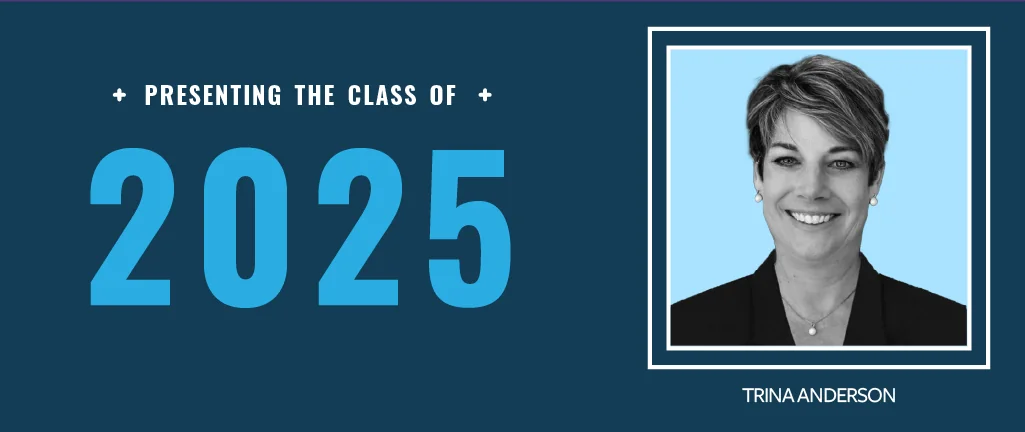
Trina Anderson, Divisional Director of Memory Care at Senior Lifestyle, has been honored as a 2025 Memory Care Innovation Award winner by Senior Housing News.
The Memory Care Innovation Awards program aims to celebrate passionate and innovative individuals who are shaping the future of cognitive care across various sectors, including behavioral health, home health, hospice, senior housing, and skilled nursing. To earn this prestigious award, nominees must be recognized by their peers as high-performing employees who effectively translate vision into action, advocating for those living with memory-related disorders and the dedicated professionals who support their well-being.
In an insightful conversation with Senior Housing News, Anderson shared her journey in caring for patients and residents with cognitive care needs, her vision for the future of cognitive care in senior living, and much more. For more information about the Memory Care Innovation Awards program and to view this year’s winners, visit https://innovation.memorycarebusiness.com/.
SHN: How long have you been a part of the memory care, senior housing & senior living industry?
Anderson: I have dedicated 37 years to the Senior Housing and Senior Living industry. Throughout these decades, I’ve witnessed remarkable changes and have been proud to evolve alongside the field, always striving to meet residents where they are and enhance their quality of life.
SHN: What drew you to caring for patients/residents with cognitive care needs?
Anderson: My journey began with a genuine enjoyment of listening to seniors share their life stories and experiences. They possess immense wisdom, and I realized how much I could learn simply by being present with them. This connection inspired me to continue in this field, as I wanted to bring joy, comfort, and peace to their later years. It’s profoundly meaningful to be a positive influence in their lives, especially as they navigate the challenges of cognitive decline. Building relationships and earning their trust is a responsibility I hold dear.
SHN: If you could change one thing about cognitive care in the memory care, senior housing & senior living industry, what would it be?
Anderson: Many people hesitate to engage with those living with dementia or cognitive impairments due to fear or misunderstanding. This often leads to isolation and a loss of individuality for those deserving dignity and meaningful connections. I advocate for a shift in mindset: to meet individuals where they are, embrace their reality, and focus on who they are, not just on what they’ve lost. Cognitive decline does not erase a person’s identity or value. By promoting empathy and training staff and families to engage in person-centered ways, we can transform memory care into a space of belonging and respect.
SHN: If you had a crystal ball, what do you think will most impact your ability to provide cognitive care in the next five years?
Anderson: Continued education is vital; without it, we miss opportunities to personalize care. The more we understand these conditions, the better we can support individuals in meaningful ways. Education and collaboration among providers, physicians, and caregivers will be crucial for improving care outcomes and honoring the unique experiences of those living with cognitive changes.
SHN: If you could describe cognitive care in one word, what would it be and why?
Anderson: Acceptance. Providing great cognitive care starts with meeting individuals where they are. Acceptance allows us to understand their experiences without judgment and offer support that aligns with their current reality. It’s about focusing on what remains rather than what’s been lost. When we accept someone’s cognitive journey, we foster deeper connections and greater dignity.
SHN: What’s been the biggest lesson you have learned throughout your career?
Anderson: Individuals with cognitive decline need strong advocates. They often cannot speak for themselves, making it our responsibility to educate and ensure they receive the same rights and dignity as any aging person. Being an advocate means showing up every day with intention, compassion, and a commitment to doing what’s right, even when it’s challenging.
SHN: If you could give yourself advice on your first day in the industry, what would it be?
Anderson: Lead with love and respect. These individuals deserve compassion, patience, and dignity. Building trust starts with how you treat them from day one. Your heart will guide you just as much as your training, if not more. Be open, be present, and never underestimate the impact of kindness.
SHN: What qualities should all Memory Care Innovation Award winners possess?
Anderson: They should think outside the box, bring fresh ideas, and be strong advocates for those who cannot speak for themselves. True innovation in memory care stems from compassion-driven leadership, focusing not only on new methods but also on deeply understanding the people we serve and relentlessly striving to improve their quality of life.
Trina Anderson, Divisional Director of Memory Care at Senior Lifestyle, has been honored as a 2025 Memory Care Innovation Award winner by Senior Housing News.
The Memory Care Innovation Awards program aims to celebrate passionate and innovative individuals who are shaping the future of cognitive care across various sectors, including behavioral health, home health, hospice, senior housing, and skilled nursing. To earn this prestigious award, nominees must be recognized by their peers as high-performing employees who effectively translate vision into action, advocating for those living with memory-related disorders and the dedicated professionals who support their well-being.
In an insightful conversation with Senior Housing News, Anderson shared her journey in caring for patients and residents with cognitive care needs, her vision for the future of cognitive care in senior living, and much more. For more information about the Memory Care Innovation Awards program and to view this year’s winners, visit https://innovation.memorycarebusiness.com/.
SHN: How long have you been a part of the memory care, senior housing & senior living industry?
Anderson: I have dedicated 37 years to the Senior Housing and Senior Living industry. Throughout these decades, I’ve witnessed remarkable changes and have been proud to evolve alongside the field, always striving to meet residents where they are and enhance their quality of life.
SHN: What drew you to caring for patients/residents with cognitive care needs?
Anderson: My journey began with a genuine enjoyment of listening to seniors share their life stories and experiences. They possess immense wisdom, and I realized how much I could learn simply by being present with them. This connection inspired me to continue in this field, as I wanted to bring joy, comfort, and peace to their later years. It’s profoundly meaningful to be a positive influence in their lives, especially as they navigate the challenges of cognitive decline. Building relationships and earning their trust is a responsibility I hold dear.
SHN: If you could change one thing about cognitive care in the memory care, senior housing & senior living industry, what would it be?
Anderson: Many people hesitate to engage with those living with dementia or cognitive impairments due to fear or misunderstanding. This often leads to isolation and a loss of individuality for those deserving dignity and meaningful connections. I advocate for a shift in mindset: to meet individuals where they are, embrace their reality, and focus on who they are, not just on what they’ve lost. Cognitive decline does not erase a person’s identity or value. By promoting empathy and training staff and families to engage in person-centered ways, we can transform memory care into a space of belonging and respect.
SHN: If you had a crystal ball, what do you think will most impact your ability to provide cognitive care in the next five years?
Anderson: Continued education is vital; without it, we miss opportunities to personalize care. The more we understand these conditions, the better we can support individuals in meaningful ways. Education and collaboration among providers, physicians, and caregivers will be crucial for improving care outcomes and honoring the unique experiences of those living with cognitive changes.
SHN: If you could describe cognitive care in one word, what would it be and why?
Anderson: Acceptance. Providing great cognitive care starts with meeting individuals where they are. Acceptance allows us to understand their experiences without judgment and offer support that aligns with their current reality. It’s about focusing on what remains rather than what’s been lost. When we accept someone’s cognitive journey, we foster deeper connections and greater dignity.
SHN: What’s been the biggest lesson you have learned throughout your career?
Anderson: Individuals with cognitive decline need strong advocates. They often cannot speak for themselves, making it our responsibility to educate and ensure they receive the same rights and dignity as any aging person. Being an advocate means showing up every day with intention, compassion, and a commitment to doing what’s right, even when it’s challenging.
SHN: If you could give yourself advice on your first day in the industry, what would it be?
Anderson: Lead with love and respect. These individuals deserve compassion, patience, and dignity. Building trust starts with how you treat them from day one. Your heart will guide you just as much as your training, if not more. Be open, be present, and never underestimate the impact of kindness.
SHN: What qualities should all Memory Care Innovation Award winners possess?
Anderson: They should think outside the box, bring fresh ideas, and be strong advocates for those who cannot speak for themselves. True innovation in memory care stems from compassion-driven leadership, focusing not only on new methods but also on deeply understanding the people we serve and relentlessly striving to improve their quality of life.