Escrow Payments Surge 30%, Establishing New Barriers for Homebuyers in the Housing Market

American Real Estate Association co-founder Jason Haber unpacks the state of the housing market and assesses Redfin’s announcement of a ‘great housing reset’ coming in 2026 on ‘The Claman Countdown.’
Rising escrow payments are increasingly straining American budgets, creating significant barriers for those attempting to enter the housing market this year, according to a recent report.
These escrow payments, which constitute a portion of monthly mortgage payments allocated for property taxes and homeowners insurance, are identified as one of the most pressing risks to the U.S. housing market in the coming year. This trend threatens market participation, as highlighted in the Cotality 2026 property market trends analysis.
The analysis reveals that these payments, already burdensome for current homeowners, are expected to continue rising in the new year.
MORE THAN HALF OF US HOMES LOST VALUE OVER THE LAST YEAR
In 2025, non-mortgage costs—expenses necessary for homeownership but not included in the loan—surged by 30%. Certain states, particularly those prone to natural disasters, experienced even steeper increases in costs.

A Compass sign outside a home for sale in Sacramento, California, on Wednesday, April 24, 2024. (David Paul Morris/Bloomberg via Getty Images / Getty Images)
For example, in Florida and Colorado, escrow payments surged by 55% and 57%, respectively, in 2025, primarily driven by rising insurance premiums in those states.
Cotality forecasts that the situation will worsen, with insurance premiums projected to rise by 8% nationwide in 2026, outpacing inflation.
WHY ARE MORTGAGE RATES INCREASING DESPITE A RATE CUT FROM THE FED?
These escalating costs may deter potential buyers from entering the housing market, ultimately hindering their path to homeownership, according to Cotality principal economist Archana Pradhan.
As a result, an increasing number of prospective buyers have been sidelined in recent years due to elevated borrowing costs and high home prices.
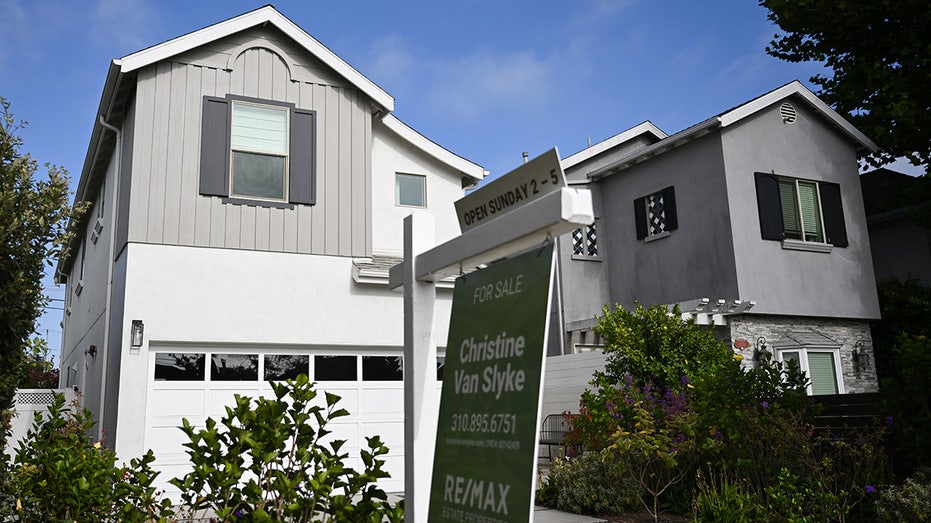
A for sale sign is displayed outside a home for sale on August 16, 2024, in Los Angeles, California. (PATRICK T. FALLON/AFP via Getty Images / Getty Images)
Realtor.com Senior Economist Jake Krimmel noted that one of the advantages of homeownership is the predictability of monthly payments. However, current data indicates that this certainty is diminishing.
“Typically, a fixed-rate mortgage ensures that payments remain stable for homeowners. Yet, rising insurance premiums and property taxes are jeopardizing that stability,” he explained. “The cost of homeownership is becoming increasingly uncertain for millions.”
Two simultaneous trends are making homeownership feel unattainable. Not only are these costs eroding household savings, but the unpredictability of taxes and insurance complicates budgeting for families, Krimmel added.
EX-NYC MAYOR DE BLASIO DEFENDS MAMDANI’S RENT FREEZE PROPOSAL WHILE OTHERS WARN OF MARKET DAMAGE
These trends are beginning to undermine the financial stability that homeowners have long taken for granted.
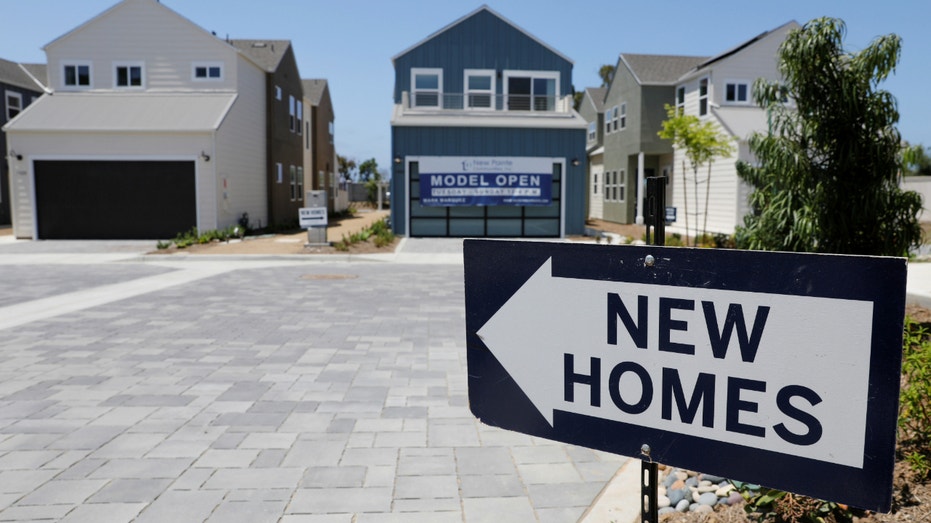
Newly constructed single-family homes are shown for sale in Encinitas, California, on July 31, 2019. (Reuters/Mike Blake / Reuters)
Krimmel also cautioned that the rise in escrow payments not only reflects higher property insurance costs but also serves as an indicator of increased risks from natural disasters like floods or wildfires, presenting “real risks moving forward” for homeowners.
Snapshot of a mortgage-related escrow payment: PNC
- Property taxes
- Homeowners insurance premiums
- Any required flood insurance
- Any required mortgage insurance (such as private mortgage insurance (PMI) for conventional loans or mortgage insurance premiums (MIP) for FHA loans)
GET FOX BUSINESS ON THE GO BY CLICKING HERE
Escrow payments don’t include:
- Any homeowner’s association (HOA) dues
- Utilities (water, sewer, trash, electric, cable, phone, or internet)
- Home maintenance or home repair expenses.
American Real Estate Association co-founder Jason Haber unpacks the state of the housing market and assesses Redfin’s announcement of a ‘great housing reset’ coming in 2026 on ‘The Claman Countdown.’
Rising escrow payments are increasingly straining American budgets, creating significant barriers for those attempting to enter the housing market this year, according to a recent report.
These escrow payments, which constitute a portion of monthly mortgage payments allocated for property taxes and homeowners insurance, are identified as one of the most pressing risks to the U.S. housing market in the coming year. This trend threatens market participation, as highlighted in the Cotality 2026 property market trends analysis.
The analysis reveals that these payments, already burdensome for current homeowners, are expected to continue rising in the new year.
MORE THAN HALF OF US HOMES LOST VALUE OVER THE LAST YEAR
In 2025, non-mortgage costs—expenses necessary for homeownership but not included in the loan—surged by 30%. Certain states, particularly those prone to natural disasters, experienced even steeper increases in costs.
A Compass sign outside a home for sale in Sacramento, California, on Wednesday, April 24, 2024. (David Paul Morris/Bloomberg via Getty Images / Getty Images)
For example, in Florida and Colorado, escrow payments surged by 55% and 57%, respectively, in 2025, primarily driven by rising insurance premiums in those states.
Cotality forecasts that the situation will worsen, with insurance premiums projected to rise by 8% nationwide in 2026, outpacing inflation.
WHY ARE MORTGAGE RATES INCREASING DESPITE A RATE CUT FROM THE FED?
These escalating costs may deter potential buyers from entering the housing market, ultimately hindering their path to homeownership, according to Cotality principal economist Archana Pradhan.
As a result, an increasing number of prospective buyers have been sidelined in recent years due to elevated borrowing costs and high home prices.
A for sale sign is displayed outside a home for sale on August 16, 2024, in Los Angeles, California. (PATRICK T. FALLON/AFP via Getty Images / Getty Images)
Realtor.com Senior Economist Jake Krimmel noted that one of the advantages of homeownership is the predictability of monthly payments. However, current data indicates that this certainty is diminishing.
“Typically, a fixed-rate mortgage ensures that payments remain stable for homeowners. Yet, rising insurance premiums and property taxes are jeopardizing that stability,” he explained. “The cost of homeownership is becoming increasingly uncertain for millions.”
Two simultaneous trends are making homeownership feel unattainable. Not only are these costs eroding household savings, but the unpredictability of taxes and insurance complicates budgeting for families, Krimmel added.
EX-NYC MAYOR DE BLASIO DEFENDS MAMDANI’S RENT FREEZE PROPOSAL WHILE OTHERS WARN OF MARKET DAMAGE
These trends are beginning to undermine the financial stability that homeowners have long taken for granted.
Newly constructed single-family homes are shown for sale in Encinitas, California, on July 31, 2019. (Reuters/Mike Blake / Reuters)
Krimmel also cautioned that the rise in escrow payments not only reflects higher property insurance costs but also serves as an indicator of increased risks from natural disasters like floods or wildfires, presenting “real risks moving forward” for homeowners.
Snapshot of a mortgage-related escrow payment: PNC
- Property taxes
- Homeowners insurance premiums
- Any required flood insurance
- Any required mortgage insurance (such as private mortgage insurance (PMI) for conventional loans or mortgage insurance premiums (MIP) for FHA loans)
GET FOX BUSINESS ON THE GO BY CLICKING HERE
Escrow payments don’t include:
- Any homeowner’s association (HOA) dues
- Utilities (water, sewer, trash, electric, cable, phone, or internet)
- Home maintenance or home repair expenses.