Delaware Confirms Avian Flu Outbreak in Commercial Poultry Flock
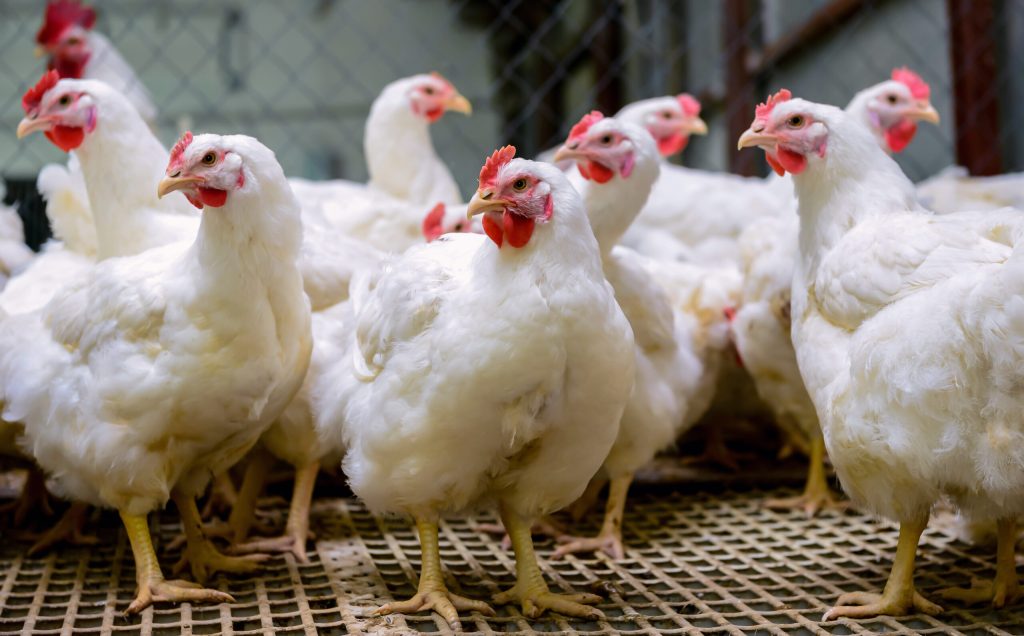
Delaware officials announced on Sunday that preliminary testing of a commercial broiler flock in Kent County has returned a presumptive positive result for avian influenza. This alarming development has prompted immediate action from the Delaware Department of Agriculture, which has quarantined the affected premises. To prevent the spread of the disease, the birds on the property are being depopulated, ensuring that none from the affected flock will enter the food system.
This incident marks the first detection of avian influenza in a commercial flock in Delaware during the 2025-26 waterfowl migratory season. The Delaware Department of Agriculture, in collaboration with the University of Delaware laboratory system, conducts ongoing surveillance and testing of birds for avian influenza throughout the state. This surveillance includes commercial poultry operations, exhibition and backyard flocks, as well as livestock and poultry auctions.
US Senators Push USDA for Urgent Action on Bird Flu Vaccine
The U.S. Department of Agriculture (USDA) is also actively involved in surveillance and testing for avian flu. In the last 30 days, 65 flocks (16 commercial and 14 backyard) across the country have been confirmed to have the virus, affecting approximately 1.2 million birds, according to USDA reports.
Avian influenza is a highly contagious airborne respiratory virus that spreads rapidly among birds through nasal and eye secretions, as well as manure. The virus can easily transfer from flock to flock, including wild bird populations, through contact with infected poultry, equipment, and even the clothing and shoes of caretakers. It primarily affects poultry such as chickens, ducks, and turkeys, along with certain wild bird species, including ducks, geese, and shorebirds.
Backyard flock owners in Delaware who observe any unusual symptoms in their birds are urged to reach out for assistance. They can email poultry.health@delaware.gov or call the Delaware Poultry Health Hotline at 302-698-4507 for guidance.
In June, the U.S. Department of Agriculture announced that it was developing a potential poultry vaccination plan, although specific details have yet to be released.
While the virus has infected a small number of people across the country, Delaware’s Department of Public Health (DPH) and the federal Centers for Disease Control (CDC) have stated that the risk to the general population remains low. Officials recommend that both people and pets should avoid contact with wild birds and their droppings to minimize any potential risk.
Topics
Commercial Lines
Interested in Commercial Lines?
Get automatic alerts for this topic.
Delaware officials announced on Sunday that preliminary testing of a commercial broiler flock in Kent County has returned a presumptive positive result for avian influenza. This alarming development has prompted immediate action from the Delaware Department of Agriculture, which has quarantined the affected premises. To prevent the spread of the disease, the birds on the property are being depopulated, ensuring that none from the affected flock will enter the food system.
This incident marks the first detection of avian influenza in a commercial flock in Delaware during the 2025-26 waterfowl migratory season. The Delaware Department of Agriculture, in collaboration with the University of Delaware laboratory system, conducts ongoing surveillance and testing of birds for avian influenza throughout the state. This surveillance includes commercial poultry operations, exhibition and backyard flocks, as well as livestock and poultry auctions.
US Senators Push USDA for Urgent Action on Bird Flu Vaccine
The U.S. Department of Agriculture (USDA) is also actively involved in surveillance and testing for avian flu. In the last 30 days, 65 flocks (16 commercial and 14 backyard) across the country have been confirmed to have the virus, affecting approximately 1.2 million birds, according to USDA reports.
Avian influenza is a highly contagious airborne respiratory virus that spreads rapidly among birds through nasal and eye secretions, as well as manure. The virus can easily transfer from flock to flock, including wild bird populations, through contact with infected poultry, equipment, and even the clothing and shoes of caretakers. It primarily affects poultry such as chickens, ducks, and turkeys, along with certain wild bird species, including ducks, geese, and shorebirds.
Backyard flock owners in Delaware who observe any unusual symptoms in their birds are urged to reach out for assistance. They can email poultry.health@delaware.gov or call the Delaware Poultry Health Hotline at 302-698-4507 for guidance.
In June, the U.S. Department of Agriculture announced that it was developing a potential poultry vaccination plan, although specific details have yet to be released.
While the virus has infected a small number of people across the country, Delaware’s Department of Public Health (DPH) and the federal Centers for Disease Control (CDC) have stated that the risk to the general population remains low. Officials recommend that both people and pets should avoid contact with wild birds and their droppings to minimize any potential risk.
Topics
Commercial Lines
Interested in Commercial Lines?
Get automatic alerts for this topic.