Sergey Brin Relocates Business Entities from California in Response to Tax Proposal
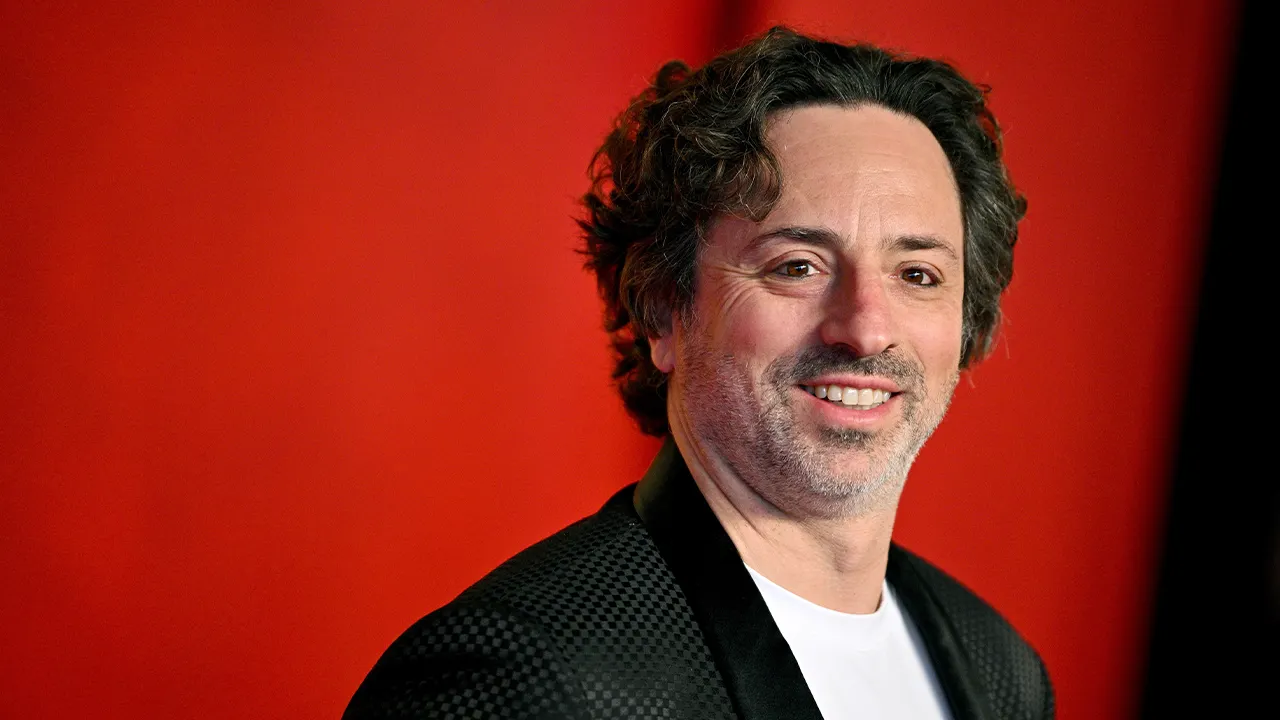
California Congressman Darrell Issa discusses reports that as many as 20 billionaires could leave the state amid concerns over a proposed new wealth tax which critics say is driving high-net-worth taxpayers out of California on ‘The Evening Edit.’
In a significant shift, Sergey Brin is severing some business ties with California, following in the footsteps of fellow Google co-founder Larry Page. This move marks a departure from the state where they established Google over two decades ago.
According to The New York Times, just days before Christmas, an entity linked to Brin terminated or relocated 15 California limited liability companies (LLCs) out of the state, with several being converted into Nevada entities.
In December, over 45 California LLCs associated with Page filed paperwork to either move out of the state or become inactive. Notably, a trust connected to him recently acquired a $71.9 million residence in Miami.
The Times also reported that another entity co-managed by Brin and Page relocated from California to Nevada on Christmas Eve.
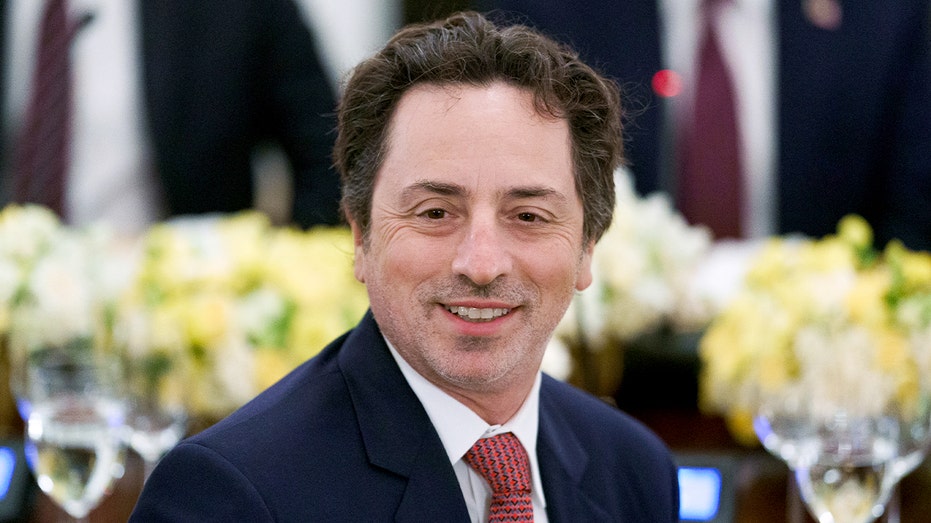
Alphabet president and Google co-founder Sergey Brin attends a dinner with technology leaders in the State Dining Room of the White House in Washington, D.C., on Thursday, Sept. 4, 2025. (Will Oliver/EPA/Bloomberg via Getty Images / Getty Images)
Despite these relocations, the Google co-founders still maintain residences throughout California.
This development coincides with supporters of the California Billionaire Tax Act advocating for a proposed statewide ballot initiative. This initiative aims to impose a one-time 5% tax on residents with net worths exceeding $1 billion. Proponents argue that the measure could generate billions for healthcare and other public services. However, critics caution that it may further drive wealthy individuals and their assets out of the state.
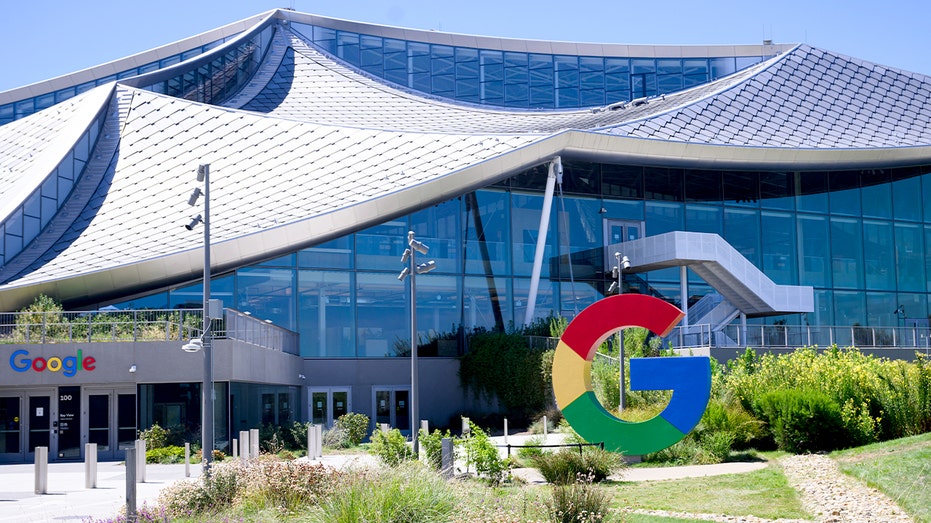
A giant Google logo is seen at Google’s Bay View campus in Mountain View, California, on Aug. 13, 2024. (Josh Edelson/AFP via Getty Images / Getty Images)
CALIFORNIA WILL REGRET BILLIONAIRE EXODUS, WASHINGTON POST EDITORIAL WARNS
“California has around 200 billionaires who collectively possess an astonishing $2 trillion in wealth. These billionaires pay less than 1.5% of their total wealth in annual taxes, including federal, state, and local taxes, according to leading economic estimates—a small fraction of what ordinary Californians pay,” reads a November letter from the initiative’s proponents to California Attorney General Rob Bonta.
‘The Big Money Show’ panel reacts to billionaires fleeing California as Gov. Gavin Newsom’s proposed wealth tax sparks backlash and red state migration.
CLICK HERE TO DOWNLOAD THE FOX NEWS APP
The California Billionaire Tax Act website argues that the one-time tax would be “barely noticeable,” asserting that billionaire wealth grows by an average of 7.5% annually and would continue to rise even after the tax is paid.
The Service Employees International Union-United Healthcare Workers West, which supports the ballot initiative, announced plans to begin collecting signatures in January after Bonta issued the measure’s official title and summary, paving the way for it to qualify for the November 2026 ballot.
California Congressman Darrell Issa discusses reports that as many as 20 billionaires could leave the state amid concerns over a proposed new wealth tax which critics say is driving high-net-worth taxpayers out of California on ‘The Evening Edit.’
In a significant shift, Sergey Brin is severing some business ties with California, following in the footsteps of fellow Google co-founder Larry Page. This move marks a departure from the state where they established Google over two decades ago.
According to The New York Times, just days before Christmas, an entity linked to Brin terminated or relocated 15 California limited liability companies (LLCs) out of the state, with several being converted into Nevada entities.
In December, over 45 California LLCs associated with Page filed paperwork to either move out of the state or become inactive. Notably, a trust connected to him recently acquired a $71.9 million residence in Miami.
The Times also reported that another entity co-managed by Brin and Page relocated from California to Nevada on Christmas Eve.
Alphabet president and Google co-founder Sergey Brin attends a dinner with technology leaders in the State Dining Room of the White House in Washington, D.C., on Thursday, Sept. 4, 2025. (Will Oliver/EPA/Bloomberg via Getty Images / Getty Images)
Despite these relocations, the Google co-founders still maintain residences throughout California.
This development coincides with supporters of the California Billionaire Tax Act advocating for a proposed statewide ballot initiative. This initiative aims to impose a one-time 5% tax on residents with net worths exceeding $1 billion. Proponents argue that the measure could generate billions for healthcare and other public services. However, critics caution that it may further drive wealthy individuals and their assets out of the state.
A giant Google logo is seen at Google’s Bay View campus in Mountain View, California, on Aug. 13, 2024. (Josh Edelson/AFP via Getty Images / Getty Images)
CALIFORNIA WILL REGRET BILLIONAIRE EXODUS, WASHINGTON POST EDITORIAL WARNS
“California has around 200 billionaires who collectively possess an astonishing $2 trillion in wealth. These billionaires pay less than 1.5% of their total wealth in annual taxes, including federal, state, and local taxes, according to leading economic estimates—a small fraction of what ordinary Californians pay,” reads a November letter from the initiative’s proponents to California Attorney General Rob Bonta.
‘The Big Money Show’ panel reacts to billionaires fleeing California as Gov. Gavin Newsom’s proposed wealth tax sparks backlash and red state migration.
CLICK HERE TO DOWNLOAD THE FOX NEWS APP
The California Billionaire Tax Act website argues that the one-time tax would be “barely noticeable,” asserting that billionaire wealth grows by an average of 7.5% annually and would continue to rise even after the tax is paid.
The Service Employees International Union-United Healthcare Workers West, which supports the ballot initiative, announced plans to begin collecting signatures in January after Bonta issued the measure’s official title and summary, paving the way for it to qualify for the November 2026 ballot.