Brain Health Challenge: Try the MIND Diet
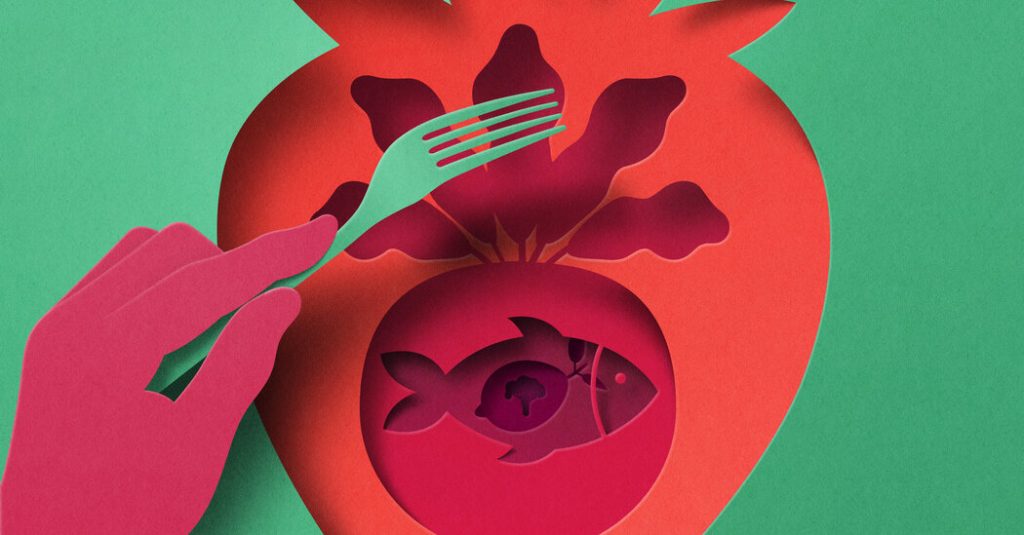
Welcome to Day 2 of the Brain Health Challenge. Today, we’re talking about food.
Your brain is an energy hog. Despite comprising about 2 percent of the average person’s body mass, it consumes roughly 20 percent of the body’s energy. In other words, what you use to fuel yourself matters for brain health.
So what foods are best for your brain?
In a nine-year study of nearly 1,000 older adults, researchers at Rush University in Chicago found that people who consumed more of nine specific food types—berries, leafy greens, other vegetables, whole grains, beans, nuts, fish, poultry, and olive oil—along with less red meat, butter, margarine, cheese, sweets, and fried foods, experienced slower cognitive decline.
Based on these findings, the researchers developed the MIND diet.
Large studies involving thousands of participants have since demonstrated that adherence to the MIND diet is linked to improved cognitive function, a reduced risk of dementia, and slower disease progression in individuals with Alzheimer’s. Remarkably, the benefits of this diet are evident whether one starts it in midlife or late life.
Experts believe that the foods included in the MIND diet are particularly beneficial for brain health due to their rich content of macro and micronutrients.
Berries and leafy greens, for instance, are abundant in polyphenols and other antioxidants, according to Jennifer Ventrelle, a dietitian at Rush and co-author of “The Official Mind Diet.” Many of these compounds can cross the blood-brain barrier, helping to combat inflammation and oxidative stress—factors that can damage cells and are associated with dementia.
Nuts and fatty fish, such as salmon and sardines, are rich in omega-3 fatty acids, essential for forming the insulating sheaths that surround nerve fibers, facilitating communication between brain cells.
Whole grains and beans are also significant sources of fiber, which nourishes beneficial gut microbes. These microbes produce short-chain fatty acids that experts believe can positively influence brain health through the gut-brain axis.
You don’t need to completely overhaul your diet to incorporate these nutrients. Instead, consider “MIND-ifying” your existing meals, suggests Dr. Joel Salinas, a neurologist at NYU Langone Health and founder of the telehealth platform Isaac Health. For example, you could add a handful of nuts or berries to your breakfast.
Today’s activity will guide you in MIND-ifying your meals. Share your choices with your accountability partner and in the comments, and I’ll also share how I’m adjusting my diet. For extra inspiration, check out these MIND-approved recipes from New York Times Cooking.
Welcome to Day 2 of the Brain Health Challenge. Today, we’re talking about food.
Your brain is an energy hog. Despite comprising about 2 percent of the average person’s body mass, it consumes roughly 20 percent of the body’s energy. In other words, what you use to fuel yourself matters for brain health.
So what foods are best for your brain?
In a nine-year study of nearly 1,000 older adults, researchers at Rush University in Chicago found that people who consumed more of nine specific food types—berries, leafy greens, other vegetables, whole grains, beans, nuts, fish, poultry, and olive oil—along with less red meat, butter, margarine, cheese, sweets, and fried foods, experienced slower cognitive decline.
Based on these findings, the researchers developed the MIND diet.
Large studies involving thousands of participants have since demonstrated that adherence to the MIND diet is linked to improved cognitive function, a reduced risk of dementia, and slower disease progression in individuals with Alzheimer’s. Remarkably, the benefits of this diet are evident whether one starts it in midlife or late life.
Experts believe that the foods included in the MIND diet are particularly beneficial for brain health due to their rich content of macro and micronutrients.
Berries and leafy greens, for instance, are abundant in polyphenols and other antioxidants, according to Jennifer Ventrelle, a dietitian at Rush and co-author of “The Official Mind Diet.” Many of these compounds can cross the blood-brain barrier, helping to combat inflammation and oxidative stress—factors that can damage cells and are associated with dementia.
Nuts and fatty fish, such as salmon and sardines, are rich in omega-3 fatty acids, essential for forming the insulating sheaths that surround nerve fibers, facilitating communication between brain cells.
Whole grains and beans are also significant sources of fiber, which nourishes beneficial gut microbes. These microbes produce short-chain fatty acids that experts believe can positively influence brain health through the gut-brain axis.
You don’t need to completely overhaul your diet to incorporate these nutrients. Instead, consider “MIND-ifying” your existing meals, suggests Dr. Joel Salinas, a neurologist at NYU Langone Health and founder of the telehealth platform Isaac Health. For example, you could add a handful of nuts or berries to your breakfast.
Today’s activity will guide you in MIND-ifying your meals. Share your choices with your accountability partner and in the comments, and I’ll also share how I’m adjusting my diet. For extra inspiration, check out these MIND-approved recipes from New York Times Cooking.