Texas Medical Marijuana Sector Blossoms with Emerging Businesses and Patients
After years of limited expansion, Texas’ medical marijuana industry is poised for significant growth in 2023. More operators are expected to enter the market, existing ones are expanding their facilities, and an increasing number of Texans are enrolling in the program.
In September, Texas launched the most substantial expansion of its medical marijuana program, the Texas Compassionate Use Program (TCUP), since its inception in 2015. This expansion introduces new qualifying conditions, including chronic pain, inflammatory bowel disease, Crohn’s disease, traumatic brain injury, and terminal illness. Additionally, it offers more treatment options, such as prescribed inhalers, higher THC limits, and improved access to dispensaries statewide. The number of marijuana distributors is set to increase from three to 15.
These changes were prompted by feedback from distributors who indicated that stringent state regulations on THC levels, locations, and cultivation practices hindered the program’s growth. Many patients were turning to cheaper and more accessible hemp products instead. Nico Richardson, CEO of Texas Original, a Central Texas medical marijuana company, noted, “What made TCUP expensive in the past was the fact that you had this niche program with a huge regulatory burden on top of it. Now, as you expand the program, the cost of regulation becomes a smaller percentage, and therefore the marginal cost of products will come down over time.”
According to the Texas Department of Public Safety, by the end of 2025, approximately 135,470 patients were registered in the Compassionate Use Registry, marking a 32% increase from the previous year. Distributors attribute this surge to the recent expansion.
The law immediately benefits the state’s three dispensing organizations: Texas Original, goodblend, and Fluent. While these companies primarily sell their products online and have not yet opened additional storefronts, they are establishing more satellite locations across the state to store products. This strategy allows for quicker deliveries and reduced costs. “We are planning to have a satellite location in all 11 public health regions within the next six months,” Richardson stated.
Texas Original has upgraded from a 7,700-square-foot facility to a new 75,000-square-foot headquarters in Bastrop, enabling them to cultivate a wider variety of marijuana strains and expand their product offerings. Meanwhile, Austin-based Goodblend has opened its first satellite location in San Antonio, facilitating same-day pick-up and plans to extend its reach into more remote areas of Texas.
As part of the expansion, 12 new licensed dispensing organizations are expected to join the market by April 1, as outlined in House Bill 46. The first phase is already underway, with the Texas Department of Public Safety awarding nine businesses conditional licenses. However, these businesses cannot cultivate, manufacture, distribute, or sell cannabis products until final approval is granted.
Most of these new distributors operate in cannabis markets outside of Texas and are anticipated to leverage their existing resources for a swift start. George Archos, founder and CEO of Chicago-based Vernano, which will serve public health region 10 in West Texas, expressed optimism: “We look forward to putting plants in the ground that are grown in Texas, by Texans, and delivered to patients across the state, in accordance with the law.”
While these developments are promising, distributors highlight a significant hurdle: the limited number of medical providers registered to prescribe medical cannabis. Currently, only about 800 of the 80,000 board-certified physicians in Texas are registered in the TCUP program. “We’re absolutely laser-focused on doctors, because they are really the patients’ first entry point into the program,” Singletary emphasized.
To register, medical providers must visit the Texas DPS registry portal with their Texas Medical Board license, American Board of Medical Specialties certification, and driver’s license. The sluggish enrollment can be attributed to a lack of awareness about the program among medical providers. Richardson noted that state agencies have largely been hands-off in promoting the program, leaving it to distributors to increase the number of registered providers.
In December, President Donald Trump signed an executive order to expedite the reclassification of marijuana from a Schedule I drug to Schedule III, which could further enhance the industry. This change does not legalize recreational marijuana but improves access to banking services and reduces the industry’s tax burden.
As the cannabis industry evolves, Texas is seen as a potential model for other southern states looking to expand their cannabis programs. With the structural challenges of the TCUP program being addressed, the future looks promising for medical marijuana in Texas.
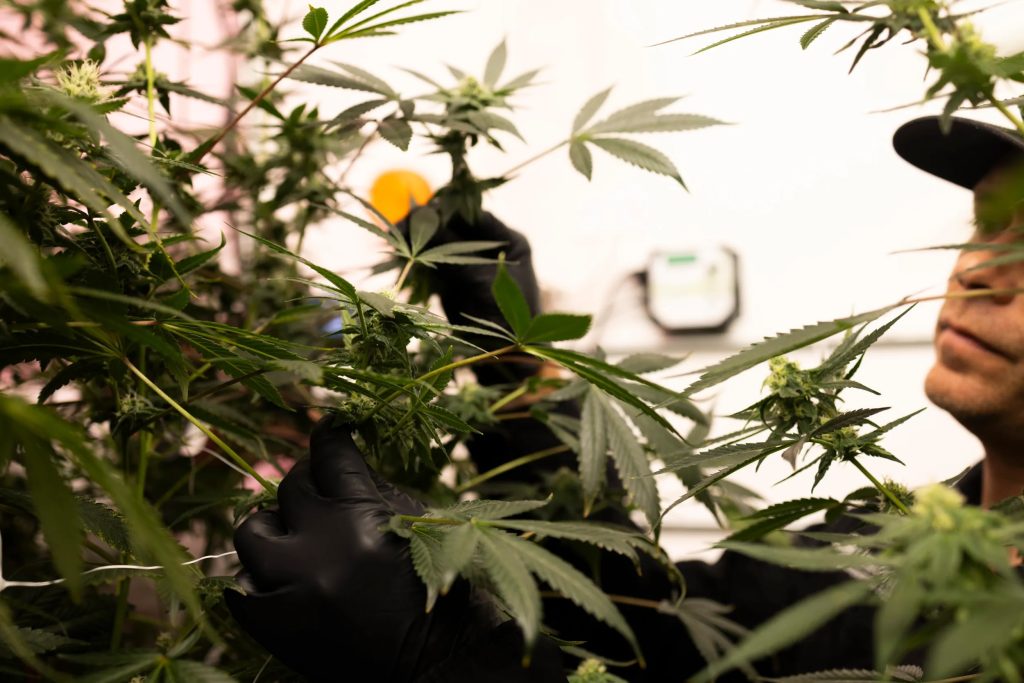
Photo: Jason Sanders with Texas Original gives a tour of the business’ facility on Sept. 26, 2024. Lorianne Willett/The Texas Tribune
After years of limited expansion, Texas’ medical marijuana industry is poised for significant growth in 2023. More operators are expected to enter the market, existing ones are expanding their facilities, and an increasing number of Texans are enrolling in the program.
In September, Texas launched the most substantial expansion of its medical marijuana program, the Texas Compassionate Use Program (TCUP), since its inception in 2015. This expansion introduces new qualifying conditions, including chronic pain, inflammatory bowel disease, Crohn’s disease, traumatic brain injury, and terminal illness. Additionally, it offers more treatment options, such as prescribed inhalers, higher THC limits, and improved access to dispensaries statewide. The number of marijuana distributors is set to increase from three to 15.
These changes were prompted by feedback from distributors who indicated that stringent state regulations on THC levels, locations, and cultivation practices hindered the program’s growth. Many patients were turning to cheaper and more accessible hemp products instead. Nico Richardson, CEO of Texas Original, a Central Texas medical marijuana company, noted, “What made TCUP expensive in the past was the fact that you had this niche program with a huge regulatory burden on top of it. Now, as you expand the program, the cost of regulation becomes a smaller percentage, and therefore the marginal cost of products will come down over time.”
According to the Texas Department of Public Safety, by the end of 2025, approximately 135,470 patients were registered in the Compassionate Use Registry, marking a 32% increase from the previous year. Distributors attribute this surge to the recent expansion.
The law immediately benefits the state’s three dispensing organizations: Texas Original, goodblend, and Fluent. While these companies primarily sell their products online and have not yet opened additional storefronts, they are establishing more satellite locations across the state to store products. This strategy allows for quicker deliveries and reduced costs. “We are planning to have a satellite location in all 11 public health regions within the next six months,” Richardson stated.
Texas Original has upgraded from a 7,700-square-foot facility to a new 75,000-square-foot headquarters in Bastrop, enabling them to cultivate a wider variety of marijuana strains and expand their product offerings. Meanwhile, Austin-based Goodblend has opened its first satellite location in San Antonio, facilitating same-day pick-up and plans to extend its reach into more remote areas of Texas.
As part of the expansion, 12 new licensed dispensing organizations are expected to join the market by April 1, as outlined in House Bill 46. The first phase is already underway, with the Texas Department of Public Safety awarding nine businesses conditional licenses. However, these businesses cannot cultivate, manufacture, distribute, or sell cannabis products until final approval is granted.
Most of these new distributors operate in cannabis markets outside of Texas and are anticipated to leverage their existing resources for a swift start. George Archos, founder and CEO of Chicago-based Vernano, which will serve public health region 10 in West Texas, expressed optimism: “We look forward to putting plants in the ground that are grown in Texas, by Texans, and delivered to patients across the state, in accordance with the law.”
While these developments are promising, distributors highlight a significant hurdle: the limited number of medical providers registered to prescribe medical cannabis. Currently, only about 800 of the 80,000 board-certified physicians in Texas are registered in the TCUP program. “We’re absolutely laser-focused on doctors, because they are really the patients’ first entry point into the program,” Singletary emphasized.
To register, medical providers must visit the Texas DPS registry portal with their Texas Medical Board license, American Board of Medical Specialties certification, and driver’s license. The sluggish enrollment can be attributed to a lack of awareness about the program among medical providers. Richardson noted that state agencies have largely been hands-off in promoting the program, leaving it to distributors to increase the number of registered providers.
In December, President Donald Trump signed an executive order to expedite the reclassification of marijuana from a Schedule I drug to Schedule III, which could further enhance the industry. This change does not legalize recreational marijuana but improves access to banking services and reduces the industry’s tax burden.
As the cannabis industry evolves, Texas is seen as a potential model for other southern states looking to expand their cannabis programs. With the structural challenges of the TCUP program being addressed, the future looks promising for medical marijuana in Texas.
Photo: Jason Sanders with Texas Original gives a tour of the business’ facility on Sept. 26, 2024. Lorianne Willett/The Texas Tribune