LARRY KUDLOW: Avoid Turning Jay Powell into a Martyr
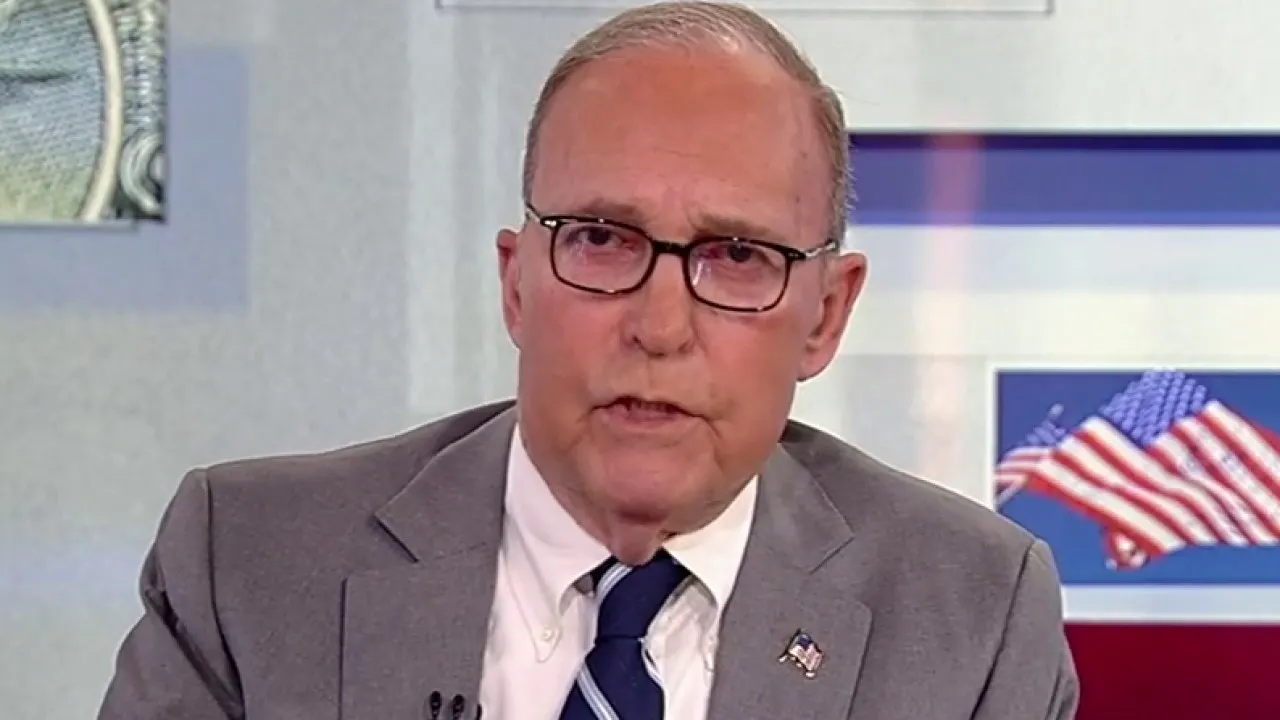
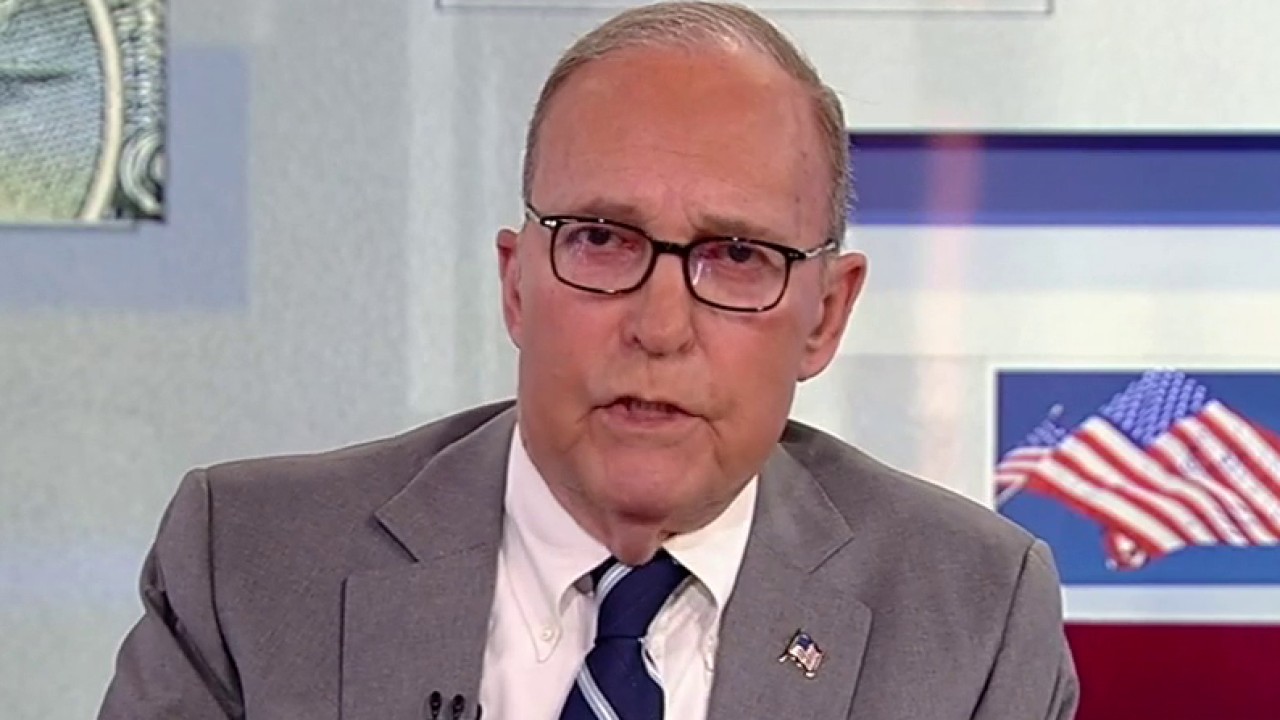
FOX Business host Larry Kudlow responds to the Fed chair denying any wrongdoing amid a probe on ‘Kudlow.’
Don’t martyr Jay Powell. While he has been a controversial figure as Fed chairman, labeling him a criminal is unwarranted. His tenure has been marked by consistent failures to meet the Fed’s inflation targets, resulting in the worst price hikes seen in 40 years. Many would argue he has been the most politically influenced Fed chairman in recent memory.
Powell’s decisions, such as raising rates to counter President Trump’s tax cut boom during his first term and lowering them to aid Vice President Harris and the Democrats in the last election, reflect a troubling politicization of the Fed. Furthermore, numerous accusations of insider trading and ethical breaches have surfaced among his colleagues, yet Powell has remained inactive in addressing these issues. He has also aligned himself with the socialist agenda surrounding climate change, promoting woke policies and restricting loans to fossil fuel companies.
Former House speaker Kevin McCarthy talks midterm elections and President Donald Trump’s foreign policy feats on ‘Kudlow.’
Despite these criticisms, I don’t believe Powell is a criminal. He may have provided misleading testimony regarding the Fed’s renovation plans before Congress, but it seems unlikely that former President Trump will be able to appoint a new chairman until Powell’s indictment is resolved. This situation appears to be a deadlock.
In a recent interview with NBC News, Trump remarked, “I don’t know anything about it, but he’s certainly not very good at the Fed. And he’s not very good at building buildings.” He emphasized that the real pressure on Powell should stem from the excessively high interest rates, which are the only significant concern at this moment.
Last summer, Trump made an unusual visit to Powell and the Fed, where he criticized the Fed’s renovation costs, which are projected to exceed $700 billion. Interestingly, he did not bring up the topic of criminal indictments or grand jury subpoenas during that visit. This raises questions about who within the U.S. Attorney’s office or the Justice Department initiated these subpoenas, as many seem to be feigning ignorance.
More critically, Republican senators on the banking committee, including Thom Tillis, have stated they will not confirm a new Fed chairman until the subpoenas are resolved. This creates a significant hurdle in moving forward.
‘The Big Money Show’ panel weighs in as federal prosecutors investigate Fed Chair Jerome Powell over a $2.5 billion headquarters renovation, sparking market volatility and fresh debate over Fed independence.
Amidst all the uproar regarding the Fed’s independence, it’s worth noting that there hasn’t been a significant market reaction. The recent 10-year Treasury auction performed well, coming in at 4.17 percent, slightly below the when-issued rate of 4.18 percent. Kudos to my colleague Peter Boockvar for this insight.
Meanwhile, the S&P and the Dow have reached all-time highs, indicating that the market is largely unfazed by the ongoing investigation. What truly matters to investors is the economy’s robust growth, which is currently estimated at 5 percent or better. Projections suggest it could even reach 6 or 7 percent in the coming year, fueled by Trump’s tax cuts, deregulation, and a surge in economic incentives.
Additionally, productivity growth has exceeded 4 percent, and last year saw the creation of 2.4 million household jobs, a figure that has gone largely unreported. Adjusted for inflation, take-home pay is rising for the first time in years, alongside record corporate profits. With negative CPI prints resulting from a positive oil shock, the U.S. economy is emerging as the hottest in the world. This is the key takeaway, overshadowing concerns about the cost of an outdated Fed elevator.
FOX Business host Larry Kudlow responds to the Fed chair denying any wrongdoing amid a probe on ‘Kudlow.’
Don’t martyr Jay Powell. While he has been a controversial figure as Fed chairman, labeling him a criminal is unwarranted. His tenure has been marked by consistent failures to meet the Fed’s inflation targets, resulting in the worst price hikes seen in 40 years. Many would argue he has been the most politically influenced Fed chairman in recent memory.
Powell’s decisions, such as raising rates to counter President Trump’s tax cut boom during his first term and lowering them to aid Vice President Harris and the Democrats in the last election, reflect a troubling politicization of the Fed. Furthermore, numerous accusations of insider trading and ethical breaches have surfaced among his colleagues, yet Powell has remained inactive in addressing these issues. He has also aligned himself with the socialist agenda surrounding climate change, promoting woke policies and restricting loans to fossil fuel companies.
Former House speaker Kevin McCarthy talks midterm elections and President Donald Trump’s foreign policy feats on ‘Kudlow.’
Despite these criticisms, I don’t believe Powell is a criminal. He may have provided misleading testimony regarding the Fed’s renovation plans before Congress, but it seems unlikely that former President Trump will be able to appoint a new chairman until Powell’s indictment is resolved. This situation appears to be a deadlock.
In a recent interview with NBC News, Trump remarked, “I don’t know anything about it, but he’s certainly not very good at the Fed. And he’s not very good at building buildings.” He emphasized that the real pressure on Powell should stem from the excessively high interest rates, which are the only significant concern at this moment.
Last summer, Trump made an unusual visit to Powell and the Fed, where he criticized the Fed’s renovation costs, which are projected to exceed $700 billion. Interestingly, he did not bring up the topic of criminal indictments or grand jury subpoenas during that visit. This raises questions about who within the U.S. Attorney’s office or the Justice Department initiated these subpoenas, as many seem to be feigning ignorance.
More critically, Republican senators on the banking committee, including Thom Tillis, have stated they will not confirm a new Fed chairman until the subpoenas are resolved. This creates a significant hurdle in moving forward.
‘The Big Money Show’ panel weighs in as federal prosecutors investigate Fed Chair Jerome Powell over a $2.5 billion headquarters renovation, sparking market volatility and fresh debate over Fed independence.
Amidst all the uproar regarding the Fed’s independence, it’s worth noting that there hasn’t been a significant market reaction. The recent 10-year Treasury auction performed well, coming in at 4.17 percent, slightly below the when-issued rate of 4.18 percent. Kudos to my colleague Peter Boockvar for this insight.
Meanwhile, the S&P and the Dow have reached all-time highs, indicating that the market is largely unfazed by the ongoing investigation. What truly matters to investors is the economy’s robust growth, which is currently estimated at 5 percent or better. Projections suggest it could even reach 6 or 7 percent in the coming year, fueled by Trump’s tax cuts, deregulation, and a surge in economic incentives.
Additionally, productivity growth has exceeded 4 percent, and last year saw the creation of 2.4 million household jobs, a figure that has gone largely unreported. Adjusted for inflation, take-home pay is rising for the first time in years, alongside record corporate profits. With negative CPI prints resulting from a positive oil shock, the U.S. economy is emerging as the hottest in the world. This is the key takeaway, overshadowing concerns about the cost of an outdated Fed elevator.