Trump’s Venezuela Oil Policy: Early Impact as Exports Restart to Global Markets
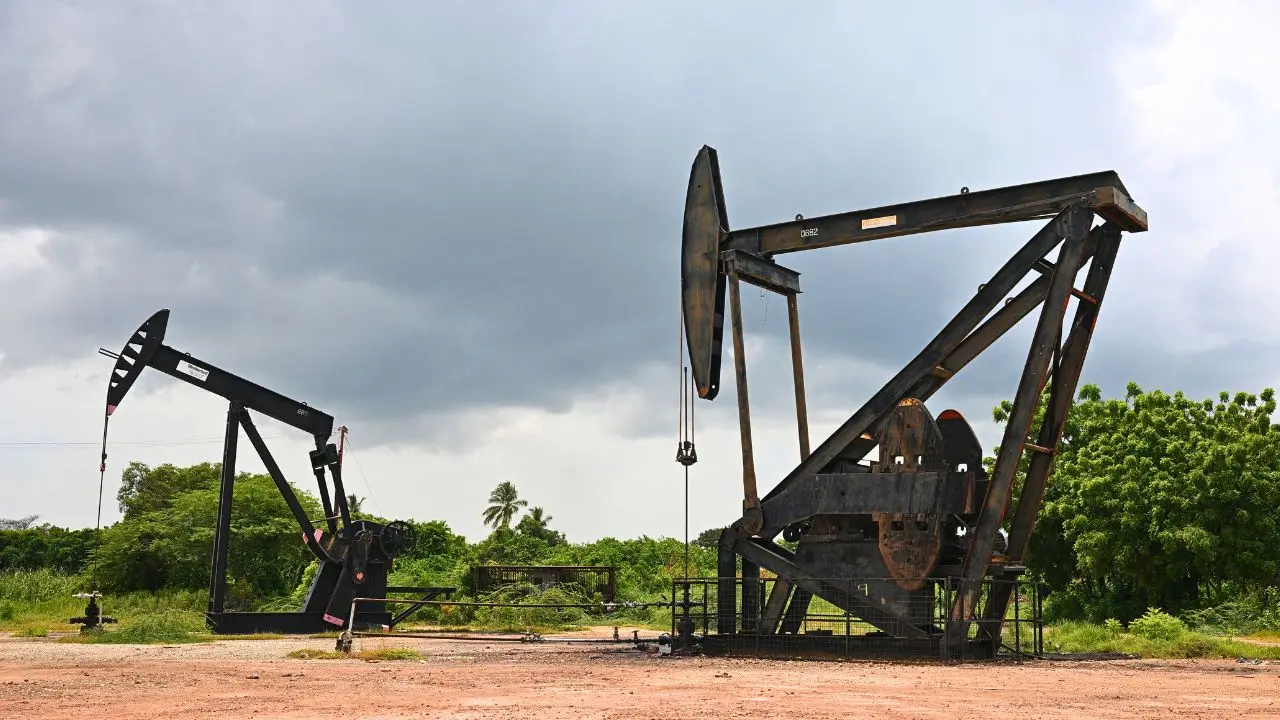
Continental Resources chairman Harold Hamm discusses the U.S. interest in Venezuela’s vast oil reserves and more on Kudlow.
Recent developments in U.S. foreign policy regarding Venezuela have begun to yield results, as the country has reopened oil wells that were previously closed due to a U.S. embargo. According to Reuters, Venezuela has restarted crude oil exports, signaling a potential shift in the dynamics of its oil industry.
On Monday, two supertankers departed from Venezuelan waters, each carrying approximately 1.8 million barrels of crude oil. These shipments may represent the initial steps under a proposed 50-million-barrel supply agreement between Caracas and Washington, as reported by industry sources.
The vessels were observed heading north towards the Caribbean, where oil traders and refiners typically lease storage tanks for further distribution.
EXPERT WARNS OF ‘EXTREME VIOLENCE’ IN VENEZUELAN MINING AS TRUMP ADMIN EYES MINERAL RESERVES
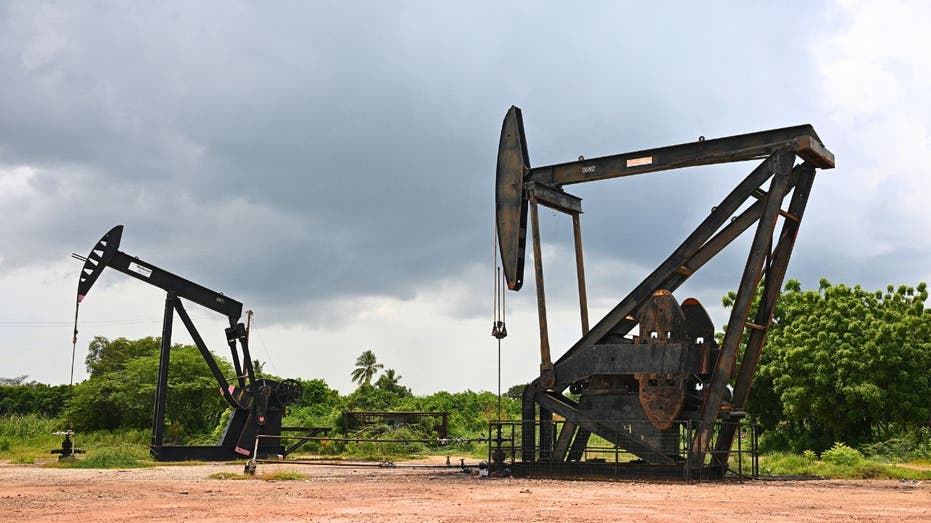
Oil pumps operate near Lake Maracaibo in Maracaibo, Venezuela, on July 12, 2024. Decades of mismanagement, underinvestment, and sanctions have contributed to the decline of Venezuela’s once-dominant oil industry. ( / Getty Images)
This resurgence in oil exports follows a period where shipments had nearly ceased, largely due to intensified U.S. pressure that left millions of barrels stranded in storage. During this export freeze, U.S. oil giant Chevron was the only company permitted to ship Venezuelan crude under a limited U.S. license, as reported by Reuters.
The U.S. has taken a proactive stance in shaping Venezuela’s oil future, particularly after the capture of Venezuelan dictator Nicolás Maduro, which has led to the collapse of his regime. The country’s oil sector has suffered significantly due to decades of underinvestment, nationalization, and sanctions. Once producing as much as 3.5 million barrels per day in the 1970s, Venezuela’s output plummeted to an average of about 1.1 million barrels per day last year.
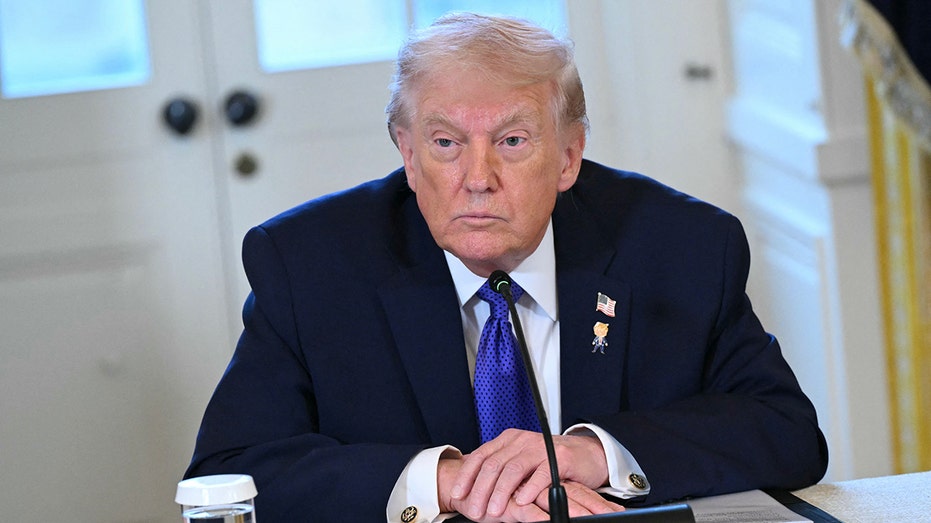
Trump has outlined plans to reshape Venezuela’s oil industry as part of his administration’s broader pressure campaign. (Saul Loeb/AFP via / Getty Images)
Last week, Venezuela’s overall crude output fell to approximately 880,000 barrels per day, down from 1.16 million barrels per day in late November. The Orinoco Belt experienced a significant decline, dropping to about 410,000 barrels per day from 675,000 barrels per day, according to independent figures reviewed by Reuters.
Trump recently unveiled a plan to refine and sell up to 50 million barrels of Venezuelan oil that had been trapped under a U.S. blockade. This initiative is framed as part of a broader strategy to revitalize Venezuela’s oil industry, with U.S. companies expected to play a pivotal role.
In a recent meeting with nearly two dozen top oil and gas executives at the White House, Trump emphasized that American energy firms would invest significantly to rebuild Venezuela’s oil infrastructure and enhance production.
GET FOX BUSINESS ON THE GO BY CLICKING HERE
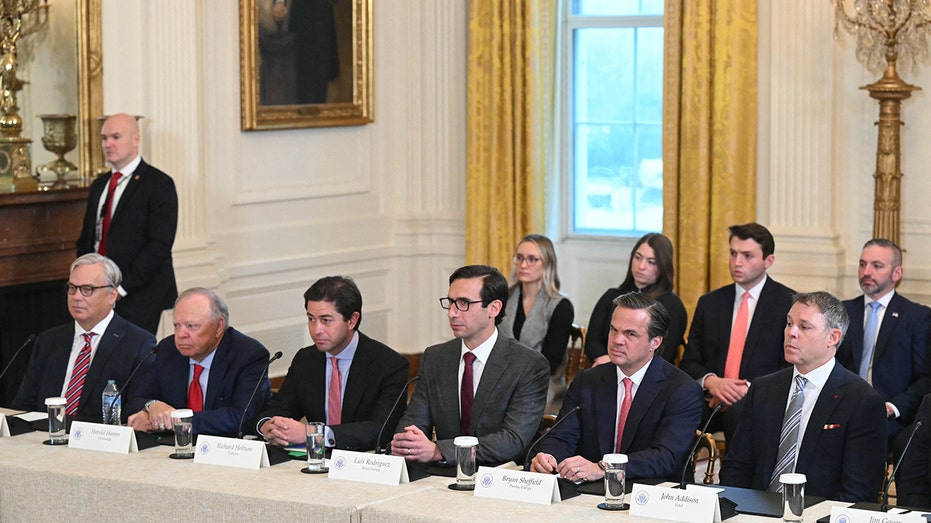
U.S. oil company executives meet with President Donald Trump at the White House on Jan. 9, 2026. Trump has sought support from energy leaders for his plans involving Venezuela’s oil industry. (Saul Loeb/AFP via / Getty Images)
In a significant move, Trump signed an executive order on Friday that prevents U.S. courts from seizing Venezuelan oil revenues held in American Treasury accounts. He declared that such actions would pose an “unusual and extraordinary threat” to U.S. national security and foreign policy. The order asserts that these funds remain the sovereign property of Venezuela and are not available to private creditors.
While broader U.S. sanctions on Venezuela remain in effect, Washington has allowed only limited and tightly controlled oil transactions, marking a complex and evolving landscape in U.S.-Venezuelan relations.
Continental Resources chairman Harold Hamm discusses the U.S. interest in Venezuela’s vast oil reserves and more on Kudlow.
Recent developments in U.S. foreign policy regarding Venezuela have begun to yield results, as the country has reopened oil wells that were previously closed due to a U.S. embargo. According to Reuters, Venezuela has restarted crude oil exports, signaling a potential shift in the dynamics of its oil industry.
On Monday, two supertankers departed from Venezuelan waters, each carrying approximately 1.8 million barrels of crude oil. These shipments may represent the initial steps under a proposed 50-million-barrel supply agreement between Caracas and Washington, as reported by industry sources.
The vessels were observed heading north towards the Caribbean, where oil traders and refiners typically lease storage tanks for further distribution.
EXPERT WARNS OF ‘EXTREME VIOLENCE’ IN VENEZUELAN MINING AS TRUMP ADMIN EYES MINERAL RESERVES
Oil pumps operate near Lake Maracaibo in Maracaibo, Venezuela, on July 12, 2024. Decades of mismanagement, underinvestment, and sanctions have contributed to the decline of Venezuela’s once-dominant oil industry. ( / Getty Images)
This resurgence in oil exports follows a period where shipments had nearly ceased, largely due to intensified U.S. pressure that left millions of barrels stranded in storage. During this export freeze, U.S. oil giant Chevron was the only company permitted to ship Venezuelan crude under a limited U.S. license, as reported by Reuters.
The U.S. has taken a proactive stance in shaping Venezuela’s oil future, particularly after the capture of Venezuelan dictator Nicolás Maduro, which has led to the collapse of his regime. The country’s oil sector has suffered significantly due to decades of underinvestment, nationalization, and sanctions. Once producing as much as 3.5 million barrels per day in the 1970s, Venezuela’s output plummeted to an average of about 1.1 million barrels per day last year.
Trump has outlined plans to reshape Venezuela’s oil industry as part of his administration’s broader pressure campaign. (Saul Loeb/AFP via / Getty Images)
Last week, Venezuela’s overall crude output fell to approximately 880,000 barrels per day, down from 1.16 million barrels per day in late November. The Orinoco Belt experienced a significant decline, dropping to about 410,000 barrels per day from 675,000 barrels per day, according to independent figures reviewed by Reuters.
Trump recently unveiled a plan to refine and sell up to 50 million barrels of Venezuelan oil that had been trapped under a U.S. blockade. This initiative is framed as part of a broader strategy to revitalize Venezuela’s oil industry, with U.S. companies expected to play a pivotal role.
In a recent meeting with nearly two dozen top oil and gas executives at the White House, Trump emphasized that American energy firms would invest significantly to rebuild Venezuela’s oil infrastructure and enhance production.
GET FOX BUSINESS ON THE GO BY CLICKING HERE
U.S. oil company executives meet with President Donald Trump at the White House on Jan. 9, 2026. Trump has sought support from energy leaders for his plans involving Venezuela’s oil industry. (Saul Loeb/AFP via / Getty Images)
In a significant move, Trump signed an executive order on Friday that prevents U.S. courts from seizing Venezuelan oil revenues held in American Treasury accounts. He declared that such actions would pose an “unusual and extraordinary threat” to U.S. national security and foreign policy. The order asserts that these funds remain the sovereign property of Venezuela and are not available to private creditors.
While broader U.S. sanctions on Venezuela remain in effect, Washington has allowed only limited and tightly controlled oil transactions, marking a complex and evolving landscape in U.S.-Venezuelan relations.