How President Donald Trump’s Credit Card Rate Cap May Limit Consumer Access

The Points Guy founder Brian Kelly discusses the new visa and mastercard deal that is affecting rewards cards on FOX Business in Depth: The Flight Path Forward.
President Donald Trump’s recent proposal to impose a 10% cap on credit card interest rates has sparked significant debate. This initiative could reshape access to credit cards for many American consumers, particularly affecting small businesses.
On Friday, Trump announced his intention to implement this cap for one year starting January 20. He aims to protect consumers from being “ripped off” by credit card issuers, whose interest rates can exceed 20% for some borrowers. This proposal aligns with a bill introduced last year by Senators Bernie Sanders (I-Vt.) and Josh Hawley (R-Mo.), which also seeks to limit credit card APRs to 10%.
Richard Hunt, executive chairman of the Electronic Payments Coalition (EPC), shared insights on the potential consequences of this cap. According to EPC’s analysis, between 82% and 88% of credit card holders could see their accounts eliminated or their credit limits drastically reduced. Low to moderate-income consumers would be the most affected demographic.
“I understand the president is trying to ensure that Americans can afford to make ends meet, and we support that. However, this study highlights the severe repercussions that could impact his voters and constituents in the Senate and House. This is serious stuff,” Hunt stated.
TRUMP CALLS FOR 1-YEAR 10% CAP ON CREDIT CARD INTEREST RATES

President Trump called for a one-year 10% interest rate cap on credit cards. (iStock)
The EPC’s analysis indicates that nearly all credit card accounts linked to credit scores below 740 would be closed or severely restricted if the 10% interest rate cap were enacted. This change could affect between 175 million to 190 million American cardholders, predominantly from lower and middle-income households. Data from the Federal Reserve Bank of New York shows that the average credit score for low-income Americans is 658, while it stands at 735 for middle-income households.
Remaining cardholders would likely face lower credit limits, stricter underwriting standards, and diminished or eliminated rewards, regardless of their credit score, as reported by EPC.
“It’s important to remember that individuals across the income spectrum—whether they have lower or higher credit scores—participate in rewards programs,” Hunt emphasized.
EX-TRUMP ADVISOR RAISES ALARM OVER BIPARTISAN CREDIT CARD PLAN THAT COULD HURT AMERICANS
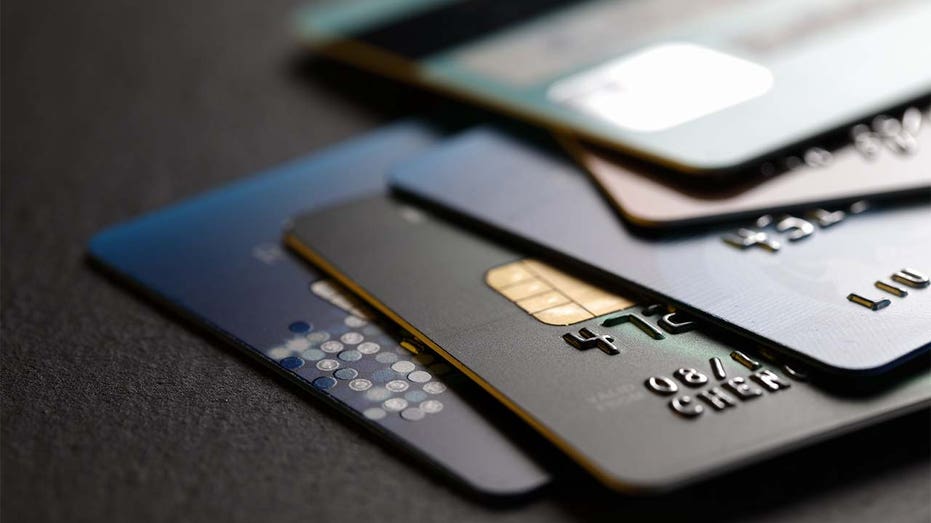
EPC warned that most Americans would lose access to credit and rewards they currently have if a 10% interest rate cap was implemented. (iStock)
Hunt further noted that while many cardholders may view their credit card rewards as airline miles, he sees them as cash back. This perspective is particularly relevant for lower-income cardholders who depend on cash back more than traditional rewards.
“Especially during the holiday season, they are trying to pay off their bills, and using points to do so can be crucial,” Hunt explained.
Consumers who currently rely on credit cards may turn to riskier alternatives that would be exempt from the proposed cap, such as payday lenders, unregulated online lenders, title lenders, and pawn shops, according to the EPC.
AMERICANS’ CREDIT CARD AND HOUSEHOLD DEBT REACH ALL-TIME HIGH
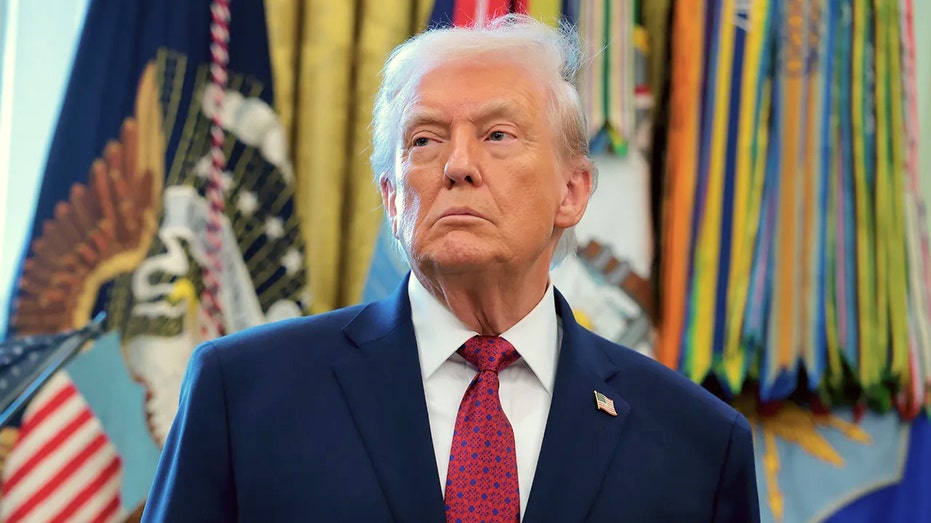
President Donald Trump on Friday called for a one-year cap limiting credit card interest rates to 10%. (Anna Moneymaker/Getty Images)
“We have to assume the risk in the financial services industry – that includes community banks, credit unions, regional banks, and large banks,” Hunt explained. “They assess risks for each cardholder, and remember, there is no asset backing this credit; it’s purely based on credit ratings.”
The EPC also highlighted that small business owners often utilize personal credit cards alongside business accounts, amplifying the impact of these restrictions on both fronts.
GET FOX BUSINESS ON THE GO BY CLICKING HERE
“This would have a similarly severe effect on small businesses as it would on consumers,” Hunt noted, emphasizing that small business owners also accumulate rewards through credit card usage. “They rely on credit cards for a financial buffer; 98% of small businesses generate under a million dollars in gross receipts annually, yet they depend on credit cards for a 30-day float.”
The Points Guy founder Brian Kelly discusses the new visa and mastercard deal that is affecting rewards cards on FOX Business in Depth: The Flight Path Forward.
President Donald Trump’s recent proposal to impose a 10% cap on credit card interest rates has sparked significant debate. This initiative could reshape access to credit cards for many American consumers, particularly affecting small businesses.
On Friday, Trump announced his intention to implement this cap for one year starting January 20. He aims to protect consumers from being “ripped off” by credit card issuers, whose interest rates can exceed 20% for some borrowers. This proposal aligns with a bill introduced last year by Senators Bernie Sanders (I-Vt.) and Josh Hawley (R-Mo.), which also seeks to limit credit card APRs to 10%.
Richard Hunt, executive chairman of the Electronic Payments Coalition (EPC), shared insights on the potential consequences of this cap. According to EPC’s analysis, between 82% and 88% of credit card holders could see their accounts eliminated or their credit limits drastically reduced. Low to moderate-income consumers would be the most affected demographic.
“I understand the president is trying to ensure that Americans can afford to make ends meet, and we support that. However, this study highlights the severe repercussions that could impact his voters and constituents in the Senate and House. This is serious stuff,” Hunt stated.
TRUMP CALLS FOR 1-YEAR 10% CAP ON CREDIT CARD INTEREST RATES
President Trump called for a one-year 10% interest rate cap on credit cards. (iStock)
The EPC’s analysis indicates that nearly all credit card accounts linked to credit scores below 740 would be closed or severely restricted if the 10% interest rate cap were enacted. This change could affect between 175 million to 190 million American cardholders, predominantly from lower and middle-income households. Data from the Federal Reserve Bank of New York shows that the average credit score for low-income Americans is 658, while it stands at 735 for middle-income households.
Remaining cardholders would likely face lower credit limits, stricter underwriting standards, and diminished or eliminated rewards, regardless of their credit score, as reported by EPC.
“It’s important to remember that individuals across the income spectrum—whether they have lower or higher credit scores—participate in rewards programs,” Hunt emphasized.
EX-TRUMP ADVISOR RAISES ALARM OVER BIPARTISAN CREDIT CARD PLAN THAT COULD HURT AMERICANS
EPC warned that most Americans would lose access to credit and rewards they currently have if a 10% interest rate cap was implemented. (iStock)
Hunt further noted that while many cardholders may view their credit card rewards as airline miles, he sees them as cash back. This perspective is particularly relevant for lower-income cardholders who depend on cash back more than traditional rewards.
“Especially during the holiday season, they are trying to pay off their bills, and using points to do so can be crucial,” Hunt explained.
Consumers who currently rely on credit cards may turn to riskier alternatives that would be exempt from the proposed cap, such as payday lenders, unregulated online lenders, title lenders, and pawn shops, according to the EPC.
AMERICANS’ CREDIT CARD AND HOUSEHOLD DEBT REACH ALL-TIME HIGH
President Donald Trump on Friday called for a one-year cap limiting credit card interest rates to 10%. (Anna Moneymaker/Getty Images)
“We have to assume the risk in the financial services industry – that includes community banks, credit unions, regional banks, and large banks,” Hunt explained. “They assess risks for each cardholder, and remember, there is no asset backing this credit; it’s purely based on credit ratings.”
The EPC also highlighted that small business owners often utilize personal credit cards alongside business accounts, amplifying the impact of these restrictions on both fronts.
GET FOX BUSINESS ON THE GO BY CLICKING HERE
“This would have a similarly severe effect on small businesses as it would on consumers,” Hunt noted, emphasizing that small business owners also accumulate rewards through credit card usage. “They rely on credit cards for a financial buffer; 98% of small businesses generate under a million dollars in gross receipts annually, yet they depend on credit cards for a 30-day float.”