Nicole Graham of Lumina Las Vegas: Honored as Memory Care Innovation Award Winner
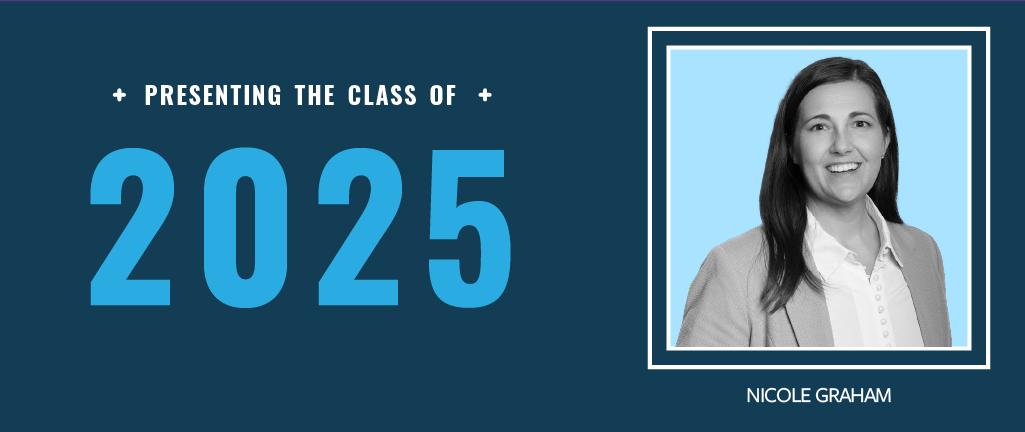
Nicole Graham, Executive Director at Lumina Las Vegas, has been honored as a 2025 Memory Care Innovation Award winner by Senior Housing News.
The Memory Care Innovation Awards program aims to celebrate passionate and innovative professionals who are transforming cognitive care across various sectors, including behavioral health, home health, hospice, senior housing, and skilled nursing. To be recognized as a Memory Care Innovation Award winner, individuals must be nominated by their peers and demonstrate exceptional performance in advocating for those living with memory-related disorders.
In an insightful conversation with Senior Housing News, Graham shared her journey in caring for patients and residents with cognitive care needs, her vision for the future of cognitive care in senior living, and more. For further details on the Memory Care Innovation Awards program and to view this year’s winners, visit https://innovation.memorycarebusiness.com/.
SHN: How long have you been a part of the memory care, senior housing & senior living industry?
Graham: I’ve dedicated the past 14 years to senior living, gaining experience in Skilled Nursing Facilities, Assisted Living, and standalone Memory Care communities. Each environment has enriched my understanding of the unique needs of older adults, particularly those living with dementia.
Prior to this, I spent five years as a CNA, initially believing I would pursue nursing. This hands-on experience provided me with a foundational understanding of care, compassion, and the daily realities of supporting older adults. I often navigated challenges independently, which taught me the importance of perseverance and ignited my passion for person-centered care. This journey ultimately led me to pursue leadership roles in senior living, specifically in memory care, where I could foster the collaborative teams I wished I had back then.
SHN: What drew you to caring for patients/residents with cognitive care needs?
Graham: I sought to be part of something profoundly meaningful for individuals living with cognitive care needs. Early in my career, I witnessed how often those with dementia were misunderstood or underserved, compelling me to change that narrative. Cognitive care demands a unique blend of empathy, creativity, and consistency. It challenges us to meet individuals where they are, honor their stories, and cultivate environments that promote dignity and connection. This challenge—and the chance to make a real difference—has fueled my commitment to this work for over 14 years.
SHN: If you could change one thing about cognitive care in the memory care, senior housing & senior living industry, what would it be?
Graham: Too often, cognitive care is viewed as a separate entity rather than part of a holistic approach. Providers, families, and healthcare partners frequently operate in silos, leading to fragmented care and missed opportunities for connection. I believe we need to transition toward a more unified, collaborative model—one that dismantles barriers, shares information meaningfully, and places the individual living with dementia at the center of every decision.
When we align our efforts, we not only improve outcomes but also restore dignity, purpose, and quality of life. It’s time to shift from reactive to proactive care, starting with how we discuss cognitive care, structure it, and engage with those we serve—together.
SHN: If you had a crystal ball, what do you think will most impact your ability to provide cognitive care in the memory care, senior housing & senior living industry in the next five years?
Graham: If I could look into a crystal ball, I believe the most transformative force in cognitive care over the next five years will be our capacity to break down silos and foster genuine collaboration across the senior living continuum. The future of memory care hinges on how effectively we integrate data, align care teams, and create systems that are proactive, person-centered, and deeply coordinated. I’m proud to be part of that shift.
At Lumina, we’ve introduced the Lumina Formula, an innovative alliance of five organizations—Senior Doc, ALiS, EmpowerMe Wellness, Inspiren, and Lumina—united by a common goal: to eliminate fragmented care models and enhance outcomes through improved coordination in senior living. This integrated model aims to create synergy across various dimensions of resident health, including:
- Therapy and cognitive support
- Primary care coordination and oversight
- Sleep optimization strategies
- Targeted nutritional interventions
- Food sensitivity and allergy testing to address potential inflammation triggers
By aligning efforts across these areas, we’ve already observed measurable improvements, such as reduced falls and decreased hospitalizations—both critical indicators of quality care in memory support environments.
This level of collaboration is unprecedented in our industry, reshaping our approach to dementia care. We’re not merely reacting to symptoms; we’re proactively designing environments and care plans that support the whole person—medically, socially, emotionally, and spiritually.
The Lumina Formula serves as our blueprint for the future, and I’m honored to lead this movement toward a more connected, compassionate, and impactful model of cognitive care.
SHN: If you could describe cognitive care in the memory care, senior housing & senior living industry in one word, what would it be and why?
Graham: Dignity.
To me, dignity means recognizing the whole person—not just their diagnosis. It’s about honoring their stories, preferences, autonomy, and humanity, even as their cognitive abilities evolve. It reflects the quiet respect in our interactions, the patience we exhibit during moments of confusion, and the care we invest in creating safe, familiar environments.
Dignity is the cornerstone of compassionate care. It informs our staff training, shapes dementia-friendly dining experiences, and drives our advocacy for age-friendly hospital measures. It’s not merely a philosophy; it’s a daily practice. When we prioritize dignity in all we do, we create spaces where individuals living with dementia can still experience joy, connection, and purpose. Cognitive care transcends clinical aspects; it is profoundly human. Leading with dignity reminds us that every person deserves to be seen, heard, and valued—regardless of where they are in their journey.
SHN: What’s been the biggest lesson you have learned throughout your career?
Graham: In senior living and memory care, no two days are ever alike. One moment, you’re navigating regulatory changes; the next, you’re comforting a family during a challenging transition; and later, you’re addressing a staffing gap that could affect resident care. This field demands flexibility, heart, and unwavering commitment to those we serve.
Perseverance, I’ve discovered, is the essential superpower we all need to cultivate. It grounds us during uncertain times, enables us to show up fully, and drives us to advocate for innovation, dignity, and improved outcomes—not just for our residents, but for our teams and families as well. This mindset has shaped my identity as a leader and mentor. It’s not about having all the answers; it’s about remaining committed, curious, and focused on our purpose.
SHN: If you could give yourself advice on the first day in the memory care, senior housing & senior living industry, what would it be and why?
Graham: If I could offer myself advice on my first day in this industry, I’d say, “Lean into perseverance, and never lose sight of your purpose.”
This field will challenge your resilience—emotionally, professionally, and personally. Yet, every challenge presents an opportunity for growth, innovation, and advocacy for those who rely on us. Remember that every resident has a story worth honoring, and every family deserves compassion. The work is demanding, but it is also profoundly meaningful. Stay curious, committed, and surround yourself with individuals who share your passion for dignified, person-centered care.
SHN: In your opinion, what qualities should all Memory Care Innovation Award winners possess?
Graham: Memory Care Innovation Award winners should exemplify three key qualities: perseverance, empathy, and vision.
- Perseverance, as this work is challenging. It requires resilience in the face of regulatory hurdles, emotional moments with families, and the ongoing pursuit of improved systems for our most vulnerable populations.
- Empathy, because memory care is fundamentally human. It involves understanding the lived experiences of those with cognitive decline and creating environments where they feel safe, valued, and connected.
- Vision, as innovation necessitates looking beyond the present and imagining what could be—whether it’s rethinking dining experiences for dementia-friendly mealtimes or advocating for age-friendly hospital measures that genuinely meet the needs of older adults.
Award winners are not merely performing good work; they are leading with heart, challenging the status quo, and inspiring others to elevate standards in senior living.
Nicole Graham, Executive Director at Lumina Las Vegas, has been honored as a 2025 Memory Care Innovation Award winner by Senior Housing News.
The Memory Care Innovation Awards program aims to celebrate passionate and innovative professionals who are transforming cognitive care across various sectors, including behavioral health, home health, hospice, senior housing, and skilled nursing. To be recognized as a Memory Care Innovation Award winner, individuals must be nominated by their peers and demonstrate exceptional performance in advocating for those living with memory-related disorders.
In an insightful conversation with Senior Housing News, Graham shared her journey in caring for patients and residents with cognitive care needs, her vision for the future of cognitive care in senior living, and more. For further details on the Memory Care Innovation Awards program and to view this year’s winners, visit https://innovation.memorycarebusiness.com/.
SHN: How long have you been a part of the memory care, senior housing & senior living industry?
Graham: I’ve dedicated the past 14 years to senior living, gaining experience in Skilled Nursing Facilities, Assisted Living, and standalone Memory Care communities. Each environment has enriched my understanding of the unique needs of older adults, particularly those living with dementia.
Prior to this, I spent five years as a CNA, initially believing I would pursue nursing. This hands-on experience provided me with a foundational understanding of care, compassion, and the daily realities of supporting older adults. I often navigated challenges independently, which taught me the importance of perseverance and ignited my passion for person-centered care. This journey ultimately led me to pursue leadership roles in senior living, specifically in memory care, where I could foster the collaborative teams I wished I had back then.
SHN: What drew you to caring for patients/residents with cognitive care needs?
Graham: I sought to be part of something profoundly meaningful for individuals living with cognitive care needs. Early in my career, I witnessed how often those with dementia were misunderstood or underserved, compelling me to change that narrative. Cognitive care demands a unique blend of empathy, creativity, and consistency. It challenges us to meet individuals where they are, honor their stories, and cultivate environments that promote dignity and connection. This challenge—and the chance to make a real difference—has fueled my commitment to this work for over 14 years.
SHN: If you could change one thing about cognitive care in the memory care, senior housing & senior living industry, what would it be?
Graham: Too often, cognitive care is viewed as a separate entity rather than part of a holistic approach. Providers, families, and healthcare partners frequently operate in silos, leading to fragmented care and missed opportunities for connection. I believe we need to transition toward a more unified, collaborative model—one that dismantles barriers, shares information meaningfully, and places the individual living with dementia at the center of every decision.
When we align our efforts, we not only improve outcomes but also restore dignity, purpose, and quality of life. It’s time to shift from reactive to proactive care, starting with how we discuss cognitive care, structure it, and engage with those we serve—together.
SHN: If you had a crystal ball, what do you think will most impact your ability to provide cognitive care in the memory care, senior housing & senior living industry in the next five years?
Graham: If I could look into a crystal ball, I believe the most transformative force in cognitive care over the next five years will be our capacity to break down silos and foster genuine collaboration across the senior living continuum. The future of memory care hinges on how effectively we integrate data, align care teams, and create systems that are proactive, person-centered, and deeply coordinated. I’m proud to be part of that shift.
At Lumina, we’ve introduced the Lumina Formula, an innovative alliance of five organizations—Senior Doc, ALiS, EmpowerMe Wellness, Inspiren, and Lumina—united by a common goal: to eliminate fragmented care models and enhance outcomes through improved coordination in senior living. This integrated model aims to create synergy across various dimensions of resident health, including:
- Therapy and cognitive support
- Primary care coordination and oversight
- Sleep optimization strategies
- Targeted nutritional interventions
- Food sensitivity and allergy testing to address potential inflammation triggers
By aligning efforts across these areas, we’ve already observed measurable improvements, such as reduced falls and decreased hospitalizations—both critical indicators of quality care in memory support environments.
This level of collaboration is unprecedented in our industry, reshaping our approach to dementia care. We’re not merely reacting to symptoms; we’re proactively designing environments and care plans that support the whole person—medically, socially, emotionally, and spiritually.
The Lumina Formula serves as our blueprint for the future, and I’m honored to lead this movement toward a more connected, compassionate, and impactful model of cognitive care.
SHN: If you could describe cognitive care in the memory care, senior housing & senior living industry in one word, what would it be and why?
Graham: Dignity.
To me, dignity means recognizing the whole person—not just their diagnosis. It’s about honoring their stories, preferences, autonomy, and humanity, even as their cognitive abilities evolve. It reflects the quiet respect in our interactions, the patience we exhibit during moments of confusion, and the care we invest in creating safe, familiar environments.
Dignity is the cornerstone of compassionate care. It informs our staff training, shapes dementia-friendly dining experiences, and drives our advocacy for age-friendly hospital measures. It’s not merely a philosophy; it’s a daily practice. When we prioritize dignity in all we do, we create spaces where individuals living with dementia can still experience joy, connection, and purpose. Cognitive care transcends clinical aspects; it is profoundly human. Leading with dignity reminds us that every person deserves to be seen, heard, and valued—regardless of where they are in their journey.
SHN: What’s been the biggest lesson you have learned throughout your career?
Graham: In senior living and memory care, no two days are ever alike. One moment, you’re navigating regulatory changes; the next, you’re comforting a family during a challenging transition; and later, you’re addressing a staffing gap that could affect resident care. This field demands flexibility, heart, and unwavering commitment to those we serve.
Perseverance, I’ve discovered, is the essential superpower we all need to cultivate. It grounds us during uncertain times, enables us to show up fully, and drives us to advocate for innovation, dignity, and improved outcomes—not just for our residents, but for our teams and families as well. This mindset has shaped my identity as a leader and mentor. It’s not about having all the answers; it’s about remaining committed, curious, and focused on our purpose.
SHN: If you could give yourself advice on the first day in the memory care, senior housing & senior living industry, what would it be and why?
Graham: If I could offer myself advice on my first day in this industry, I’d say, “Lean into perseverance, and never lose sight of your purpose.”
This field will challenge your resilience—emotionally, professionally, and personally. Yet, every challenge presents an opportunity for growth, innovation, and advocacy for those who rely on us. Remember that every resident has a story worth honoring, and every family deserves compassion. The work is demanding, but it is also profoundly meaningful. Stay curious, committed, and surround yourself with individuals who share your passion for dignified, person-centered care.
SHN: In your opinion, what qualities should all Memory Care Innovation Award winners possess?
Graham: Memory Care Innovation Award winners should exemplify three key qualities: perseverance, empathy, and vision.
- Perseverance, as this work is challenging. It requires resilience in the face of regulatory hurdles, emotional moments with families, and the ongoing pursuit of improved systems for our most vulnerable populations.
- Empathy, because memory care is fundamentally human. It involves understanding the lived experiences of those with cognitive decline and creating environments where they feel safe, valued, and connected.
- Vision, as innovation necessitates looking beyond the present and imagining what could be—whether it’s rethinking dining experiences for dementia-friendly mealtimes or advocating for age-friendly hospital measures that genuinely meet the needs of older adults.
Award winners are not merely performing good work; they are leading with heart, challenging the status quo, and inspiring others to elevate standards in senior living.