Space-Based Data Centers: A Near-Future Reality
FOX Business’ Madison Alworth has the details on ‘Mornings with Maria.’
Surging demand for energy to power artificial intelligence (AI) data centers is reaching new heights as companies explore the possibility of establishing data centers in space.
Billionaire entrepreneurs Elon Musk, CEO of SpaceX, and Jeff Bezos, founder of Blue Origin, are both actively developing plans for space-based data centers. These facilities would allow for more efficient cooling compared to Earth-based centers, alleviating some of the strain they impose on the electric grid.
In a significant step forward, LoneStar Data Holdings is preparing for an upcoming space launch aimed at achieving its goal of deploying AI data centers in space within the next decade.
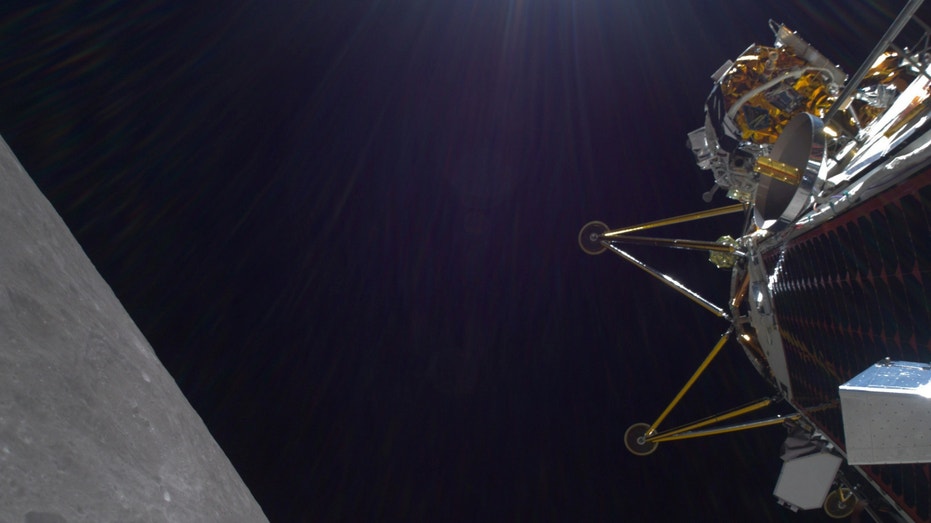
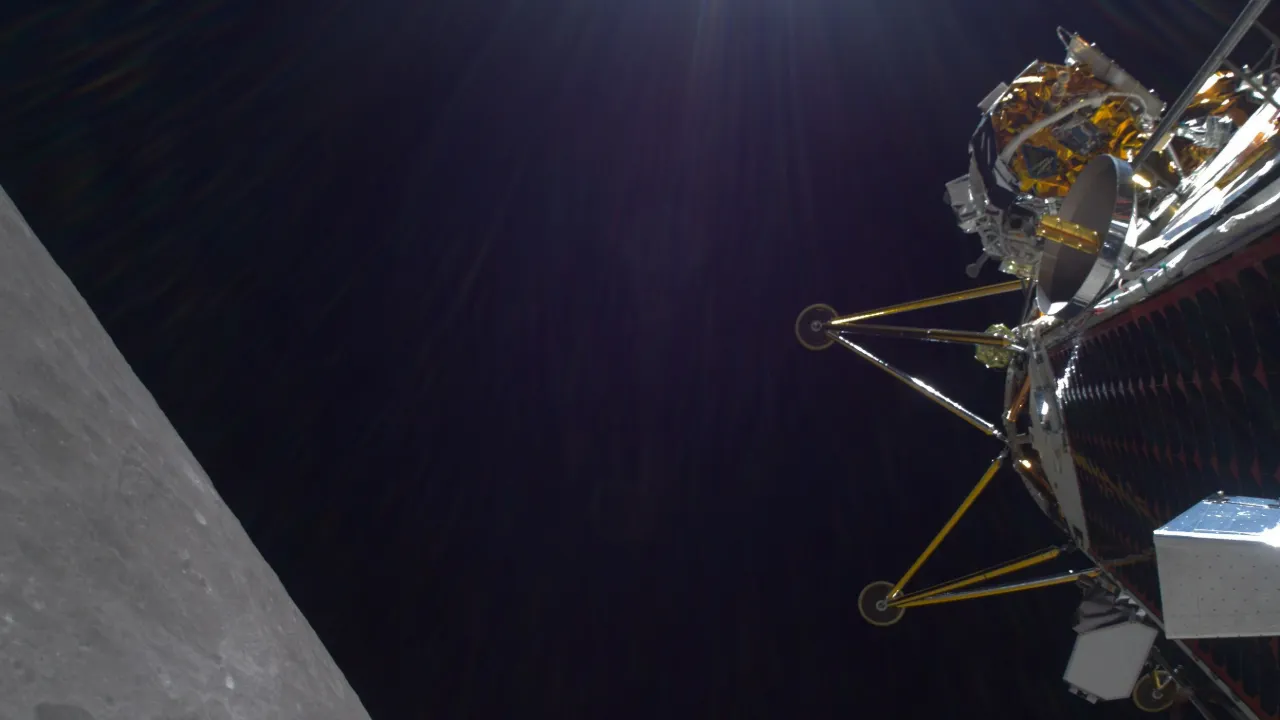
LoneStar Data Holdings is pursuing its goal of having AI data centers in space within a decade. (Intuitive Machines)
Sidus Space is preparing to launch its LizzieSat-4 and -5 into orbit later this year using a SpaceX rocket. Among the payloads will be a data center from LoneStar Data Holdings, which will cater to customers, including U.S.-based AI data labs.
Recently, LoneStar successfully sent a data center to the moon on a test mission, transmitting video, documents, and AI analytics back to Earth. The company aims to have data centers orbiting the moon by 2028 and on the lunar surface by the early 2030s.
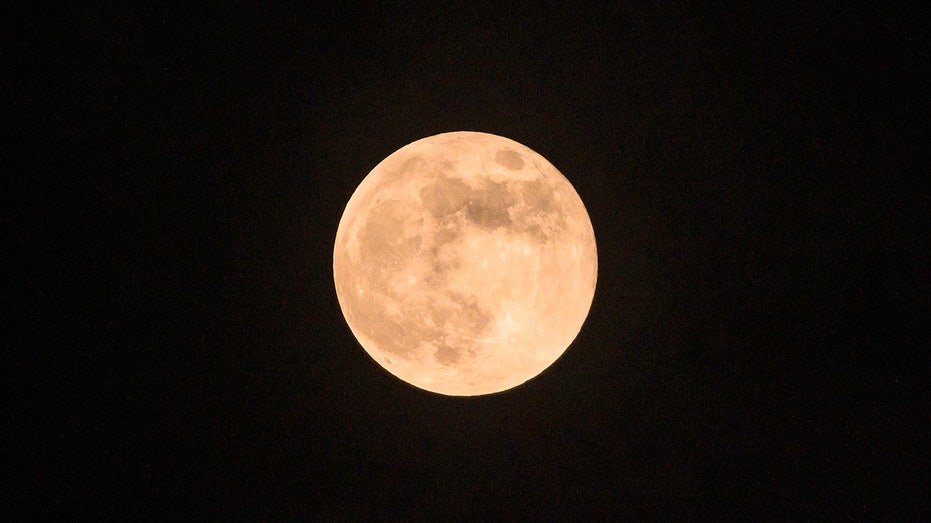
LoneStar recently sent a data center to the moon on a test mission and successfully transmitted video, documents, and AI analytics back to Earth. (Soumyabrata Roy/NurPhoto via Getty Images)
Chris Stott, founder of LoneStar, shared with FOX Business Network’s Madison Alworth that space offers unique cooling and energy properties for data centers, along with other advantages.
NASA RETURNS HUMANS TO DEEP SPACE AFTER OVER 50 YEARS WITH FEBRUARY ARTEMIS II MOON MISSION
“However, the challenges we face on Earth—storms, hurricanes, hacking, and cyber ransoms—make it crucial to have off-planet backups that remain in-country,” he explained.
Stott noted that the emerging space data storage industry initially struggled with perceptions regarding its feasibility and necessity. However, the recent data center boom has transitioned the concept from “science fiction to science fact.”
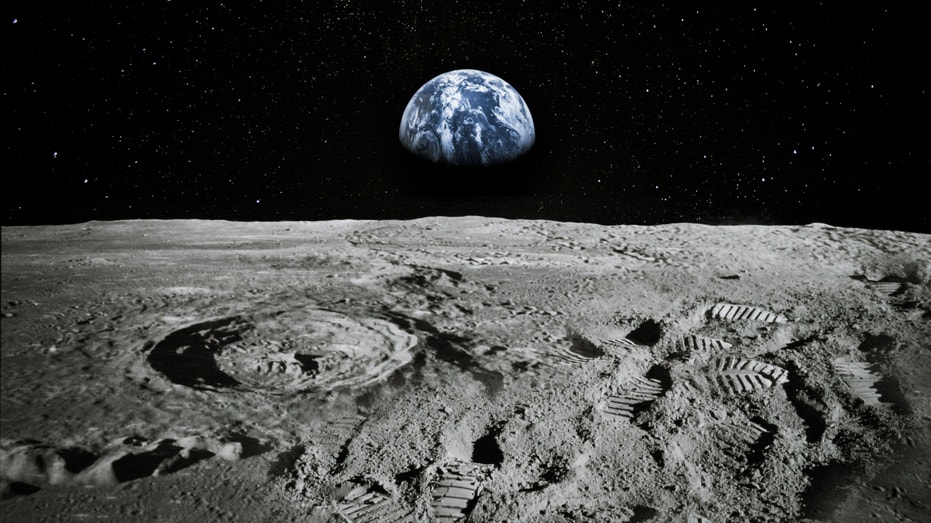
The Earth rises as viewed from the surface of the moon. (Getty Images/NASA)
DATA CENTER BOOM POWERING AI REVOLUTION MAY DRAIN US GRIDS – AND WALLETS
Nicole Stott, a retired astronaut and member of LoneStar’s advisory board, emphasized that relocating data centers to space could alleviate issues faced by their Earth-based counterparts, particularly the strain on the electric grid.
“The near-Earth environment offers unique opportunities to move some of the most harmful industries off the planet and into the benign environment of space, in a thoughtful and sustainable manner,” she explained.
FOX Business’ Madison Alworth has the details on ‘Mornings with Maria.’
Surging demand for energy to power artificial intelligence (AI) data centers is reaching new heights as companies explore the possibility of establishing data centers in space.
Billionaire entrepreneurs Elon Musk, CEO of SpaceX, and Jeff Bezos, founder of Blue Origin, are both actively developing plans for space-based data centers. These facilities would allow for more efficient cooling compared to Earth-based centers, alleviating some of the strain they impose on the electric grid.
In a significant step forward, LoneStar Data Holdings is preparing for an upcoming space launch aimed at achieving its goal of deploying AI data centers in space within the next decade.
LoneStar Data Holdings is pursuing its goal of having AI data centers in space within a decade. (Intuitive Machines)
Sidus Space is preparing to launch its LizzieSat-4 and -5 into orbit later this year using a SpaceX rocket. Among the payloads will be a data center from LoneStar Data Holdings, which will cater to customers, including U.S.-based AI data labs.
Recently, LoneStar successfully sent a data center to the moon on a test mission, transmitting video, documents, and AI analytics back to Earth. The company aims to have data centers orbiting the moon by 2028 and on the lunar surface by the early 2030s.
LoneStar recently sent a data center to the moon on a test mission and successfully transmitted video, documents, and AI analytics back to Earth. (Soumyabrata Roy/NurPhoto via Getty Images)
Chris Stott, founder of LoneStar, shared with FOX Business Network’s Madison Alworth that space offers unique cooling and energy properties for data centers, along with other advantages.
NASA RETURNS HUMANS TO DEEP SPACE AFTER OVER 50 YEARS WITH FEBRUARY ARTEMIS II MOON MISSION
“However, the challenges we face on Earth—storms, hurricanes, hacking, and cyber ransoms—make it crucial to have off-planet backups that remain in-country,” he explained.
Stott noted that the emerging space data storage industry initially struggled with perceptions regarding its feasibility and necessity. However, the recent data center boom has transitioned the concept from “science fiction to science fact.”
The Earth rises as viewed from the surface of the moon. (Getty Images/NASA)
DATA CENTER BOOM POWERING AI REVOLUTION MAY DRAIN US GRIDS – AND WALLETS
Nicole Stott, a retired astronaut and member of LoneStar’s advisory board, emphasized that relocating data centers to space could alleviate issues faced by their Earth-based counterparts, particularly the strain on the electric grid.
“The near-Earth environment offers unique opportunities to move some of the most harmful industries off the planet and into the benign environment of space, in a thoughtful and sustainable manner,” she explained.