Driver Unable to Support Claim Linking Tesla Touchscreen Defect to Accident
In a significant legal development, vehicle manufacturer Tesla has successfully dismissed a product liability lawsuit that claimed a defective touchscreen in a 2021 Tesla was responsible for an accident. The ruling came from Judge Nelson Roman in a federal district court in New York, who granted Tesla summary judgment due to the plaintiff’s failure to provide expert testimony supporting her claim.
The lawsuit was brought forth by Robyn Nicole Wilson-Wolf, who alleged that a malfunctioning touchscreen caused her to lose control of her vehicle. However, the court emphasized that products-liability claims involving intricate software and electronic interfaces necessitate competent expert testimony to establish a defect. Unfortunately for Wilson-Wolf, she relied solely on her own testimony without any expert backing.
As a result, Judge Roman determined that Wilson-Wolf did not create a genuine dispute of material fact, leading to the summary judgment in favor of Tesla.
The Accident
On March 12, 2022, Wilson-Wolf was driving her 2021 Tesla Model 3 on Interstate 87 in Yonkers, New York, when she encountered snowy and icy conditions. According to the police report, her vehicle hydroplaned, struck a center median, crossed back over the travel lanes, and hit a second median before coming to a stop. The investigating officer noted that unsafe speed and an unsafe lane change contributed to the crash.
While Wilson-Wolf acknowledged the winter conditions, she argued that the police report overlooked the alleged role of the touchscreen malfunction in her loss of control. She contended that the officer, who was not present during the crash, failed to inspect the vehicle for any software-related issues.
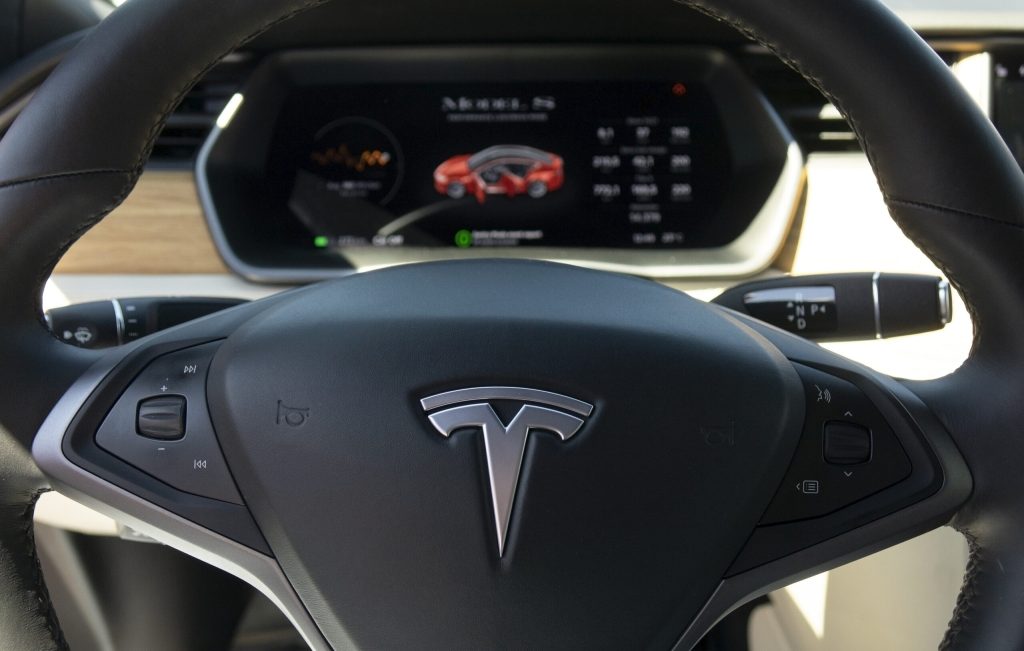
Wilson-Wolf claimed that the crash occurred due to a “frozen screen,” during which the display went black and all alerts ceased functioning, impairing the vehicle’s operation.
Full Control
Tesla countered these claims by stating that their representative reviewed the vehicle’s diagnostic data from the time of the crash and found no evidence of a frozen or blacked-out touchscreen. They argued that even if the touchscreen had frozen, the driver would still retain full control over steering, braking, and acceleration.
Wilson-Wolf, however, disputed the reliability of the diagnostic data, asserting that it did not capture every malfunction. She argued that resets performed prior to the crash may have erased crucial information, and that secondary features—like windshield wipers and alerts—were unavailable, which hindered her ability to respond safely to the hazardous conditions.
Tesla maintained that both the vehicle data and the police report indicated that hydroplaning occurred before the vehicle struck the median. Wilson-Wolf contended that this did not absolve Tesla of responsibility for the alleged touchscreen defect, claiming that the loss of touchscreen-controlled features made it more difficult for her to regain control.
Missing Testimony
Judge Roman pointed out that for Wilson-Wolf to succeed in her case, she needed to demonstrate that a specific touchscreen unit malfunctioned and that this malfunction caused the accident. Unfortunately for her, she failed to provide any evidence to support her claims.
“These questions involve the operation of software, electronic interfaces, integrated safety systems, and their interaction with vehicle dynamics under variable road and weather conditions. Such issues are beyond the understanding of an ordinary juror and cannot be established through lay testimony or speculation,” the judge stated.
Wilson-Wolf did not designate any expert, nor did she provide evidence regarding the touchscreen’s design or any alternative safer options. She also failed to identify any specific warning deficiencies that could have prevented her injuries or the crash.
Due to her inability to raise a genuine dispute of material fact under any liability theory, the judge ruled in favor of Tesla and denied Wilson-Wolf’s request for additional discovery.
Topics
Trends
Personal Auto
Tesla
Interested in Personal Auto?
Get automatic alerts for this topic.
In a significant legal development, vehicle manufacturer Tesla has successfully dismissed a product liability lawsuit that claimed a defective touchscreen in a 2021 Tesla was responsible for an accident. The ruling came from Judge Nelson Roman in a federal district court in New York, who granted Tesla summary judgment due to the plaintiff’s failure to provide expert testimony supporting her claim.
The lawsuit was brought forth by Robyn Nicole Wilson-Wolf, who alleged that a malfunctioning touchscreen caused her to lose control of her vehicle. However, the court emphasized that products-liability claims involving intricate software and electronic interfaces necessitate competent expert testimony to establish a defect. Unfortunately for Wilson-Wolf, she relied solely on her own testimony without any expert backing.
As a result, Judge Roman determined that Wilson-Wolf did not create a genuine dispute of material fact, leading to the summary judgment in favor of Tesla.
The Accident
On March 12, 2022, Wilson-Wolf was driving her 2021 Tesla Model 3 on Interstate 87 in Yonkers, New York, when she encountered snowy and icy conditions. According to the police report, her vehicle hydroplaned, struck a center median, crossed back over the travel lanes, and hit a second median before coming to a stop. The investigating officer noted that unsafe speed and an unsafe lane change contributed to the crash.
While Wilson-Wolf acknowledged the winter conditions, she argued that the police report overlooked the alleged role of the touchscreen malfunction in her loss of control. She contended that the officer, who was not present during the crash, failed to inspect the vehicle for any software-related issues.
Wilson-Wolf claimed that the crash occurred due to a “frozen screen,” during which the display went black and all alerts ceased functioning, impairing the vehicle’s operation.
Full Control
Tesla countered these claims by stating that their representative reviewed the vehicle’s diagnostic data from the time of the crash and found no evidence of a frozen or blacked-out touchscreen. They argued that even if the touchscreen had frozen, the driver would still retain full control over steering, braking, and acceleration.
Wilson-Wolf, however, disputed the reliability of the diagnostic data, asserting that it did not capture every malfunction. She argued that resets performed prior to the crash may have erased crucial information, and that secondary features—like windshield wipers and alerts—were unavailable, which hindered her ability to respond safely to the hazardous conditions.
Tesla maintained that both the vehicle data and the police report indicated that hydroplaning occurred before the vehicle struck the median. Wilson-Wolf contended that this did not absolve Tesla of responsibility for the alleged touchscreen defect, claiming that the loss of touchscreen-controlled features made it more difficult for her to regain control.
Missing Testimony
Judge Roman pointed out that for Wilson-Wolf to succeed in her case, she needed to demonstrate that a specific touchscreen unit malfunctioned and that this malfunction caused the accident. Unfortunately for her, she failed to provide any evidence to support her claims.
“These questions involve the operation of software, electronic interfaces, integrated safety systems, and their interaction with vehicle dynamics under variable road and weather conditions. Such issues are beyond the understanding of an ordinary juror and cannot be established through lay testimony or speculation,” the judge stated.
Wilson-Wolf did not designate any expert, nor did she provide evidence regarding the touchscreen’s design or any alternative safer options. She also failed to identify any specific warning deficiencies that could have prevented her injuries or the crash.
Due to her inability to raise a genuine dispute of material fact under any liability theory, the judge ruled in favor of Tesla and denied Wilson-Wolf’s request for additional discovery.
Topics
Trends
Personal Auto
Tesla
Interested in Personal Auto?
Get automatic alerts for this topic.