Dark Fleet Pursues Russian Safeguard Amid US Oil Tanker Seizures
A shadowy fleet of tankers engaged in the illicit oil trade is increasingly opting for Russian registration, seeking refuge from U.S. authorities who have begun seizing vessels linked to the Venezuelan oil market. This shift has been particularly pronounced since the U.S. captured the Skipper supertanker off Venezuela’s coast on December 10, with at least 26 ships changing their flags to Russia in just a month, according to data from Starboard Maritime Intelligence. This marks a significant increase from six in November and just 14 over the preceding five months.
Currently, approximately 13% of the nearly 1,500 tankers transporting oil from Russia, Iran, and Venezuela are registered under the Russian flag. The remaining vessels typically fly flags from smaller nations like Panama, Guinea, and Comoros. The use of false flags is a common tactic among these dark-fleet operators, allowing them to evade regulations while maintaining an appearance of legitimacy.
According to Charlie Brown, a senior adviser at United Against Nuclear Iran, the decision to register under the Russian flag is a strategic move by vessel owners. They believe that Moscow will offer political protection that other nations may not provide. “This may offer a new potential solution for the illicit dark-fleet networks, but it also raises the stakes,” he noted. “It underscores that sanctions evasion is no longer just a maritime compliance problem, but a strategic challenge involving state protection and geopolitical risks.”
The risks associated with this shift were highlighted during the pursuit of the Bella 1, a vessel sanctioned by the U.S. in 2024. After initially evading capture near Venezuela in mid-December, it changed its registration from a fake Guyanese flag to a Russian one, rebranding itself as the Marinera and even painting the Russian tricolor on its hull. This chase raised concerns about a potential direct conflict between Washington and Moscow, especially when a Russian naval ship was dispatched to escort the Marinera. However, it never reached the vessel before U.S. forces boarded the supertanker south of Iceland last week.
To date, the U.S. has seized five tankers involved in the Venezuelan oil trade. With President Donald Trump recently threatening to impose tariffs on countries purchasing Iranian oil, traders and ship owners are closely monitoring whether the White House will target vessels transporting crude from Iran.
The geographical distribution of the 26 tankers that have switched flags illustrates the growing risks involved. These vessels are currently scattered across the globe, from the Baltic Sea to the Suez Canal and the Yellow Sea, although some may be spoofing their locations. All of them are sanctioned by at least one Western government. Notably, eight of these vessels are linked to Glory Shipping HK Ltd., a Hong Kong-based entity. Additionally, two Russian-registered firms—New Fleet Ltd. and North Fleet Ltd.—are listed as new owners for three of the ships, both of which appear to share an address with a unit of the Russian state-owned shipping line Sovcomflot PJSC in St. Petersburg.
Neither Glory Shipping nor the two Russian companies responded to requests for comment. A country’s flag registry serves as the governing body for a vessel, enforcing compliance with maritime laws, safety, and environmental standards. The flag also acts as a passport, granting ships access to friendly ports worldwide.
The 26 vessels that have recently changed flags were identified based on their new nine-digit maritime mobile service identity (MMSI) numbers, which are issued by flag registries and can be tracked once a ship begins transmitting under a new flag. For Russia, the MMSI begins with 273.
“The story is really a persistent, global reflagging of dark-fleet tankers,” remarked Mark Douglas, a maritime domain analyst at Starboard Maritime Intelligence. “It’s unlikely to stop at this number.”
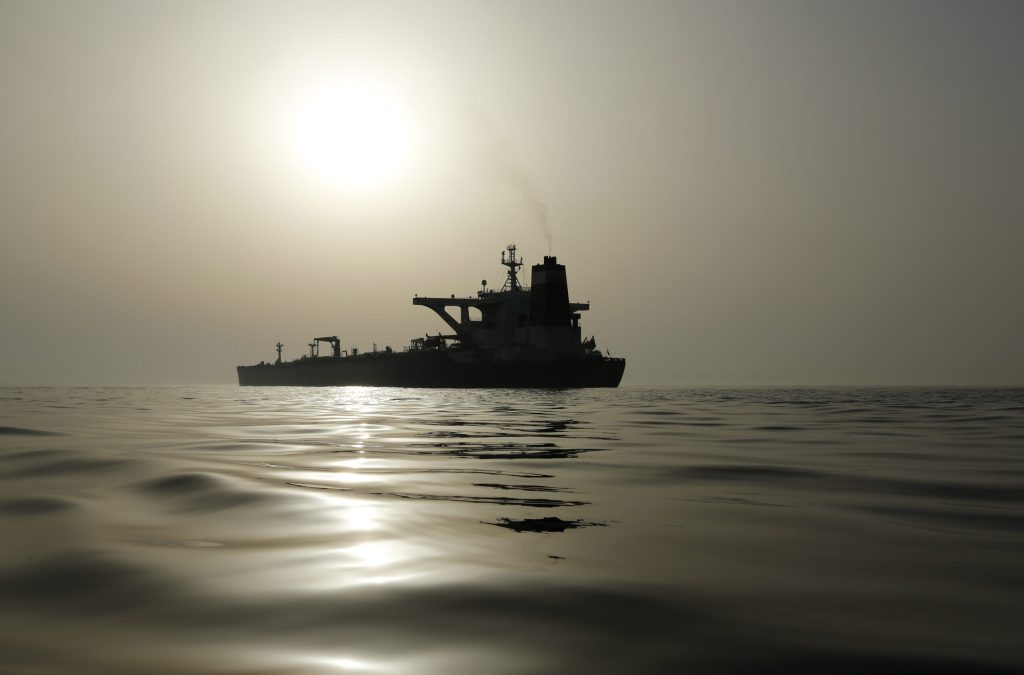
Photograph: oil tanker at sea; photo credit: Marcelo del Pozo/Bloomberg
Copyright 2026 Bloomberg.
Interested in Energy?
Get automatic alerts for this topic.
A shadowy fleet of tankers engaged in the illicit oil trade is increasingly opting for Russian registration, seeking refuge from U.S. authorities who have begun seizing vessels linked to the Venezuelan oil market. This shift has been particularly pronounced since the U.S. captured the Skipper supertanker off Venezuela’s coast on December 10, with at least 26 ships changing their flags to Russia in just a month, according to data from Starboard Maritime Intelligence. This marks a significant increase from six in November and just 14 over the preceding five months.
Currently, approximately 13% of the nearly 1,500 tankers transporting oil from Russia, Iran, and Venezuela are registered under the Russian flag. The remaining vessels typically fly flags from smaller nations like Panama, Guinea, and Comoros. The use of false flags is a common tactic among these dark-fleet operators, allowing them to evade regulations while maintaining an appearance of legitimacy.
According to Charlie Brown, a senior adviser at United Against Nuclear Iran, the decision to register under the Russian flag is a strategic move by vessel owners. They believe that Moscow will offer political protection that other nations may not provide. “This may offer a new potential solution for the illicit dark-fleet networks, but it also raises the stakes,” he noted. “It underscores that sanctions evasion is no longer just a maritime compliance problem, but a strategic challenge involving state protection and geopolitical risks.”
The risks associated with this shift were highlighted during the pursuit of the Bella 1, a vessel sanctioned by the U.S. in 2024. After initially evading capture near Venezuela in mid-December, it changed its registration from a fake Guyanese flag to a Russian one, rebranding itself as the Marinera and even painting the Russian tricolor on its hull. This chase raised concerns about a potential direct conflict between Washington and Moscow, especially when a Russian naval ship was dispatched to escort the Marinera. However, it never reached the vessel before U.S. forces boarded the supertanker south of Iceland last week.
To date, the U.S. has seized five tankers involved in the Venezuelan oil trade. With President Donald Trump recently threatening to impose tariffs on countries purchasing Iranian oil, traders and ship owners are closely monitoring whether the White House will target vessels transporting crude from Iran.
The geographical distribution of the 26 tankers that have switched flags illustrates the growing risks involved. These vessels are currently scattered across the globe, from the Baltic Sea to the Suez Canal and the Yellow Sea, although some may be spoofing their locations. All of them are sanctioned by at least one Western government. Notably, eight of these vessels are linked to Glory Shipping HK Ltd., a Hong Kong-based entity. Additionally, two Russian-registered firms—New Fleet Ltd. and North Fleet Ltd.—are listed as new owners for three of the ships, both of which appear to share an address with a unit of the Russian state-owned shipping line Sovcomflot PJSC in St. Petersburg.
Neither Glory Shipping nor the two Russian companies responded to requests for comment. A country’s flag registry serves as the governing body for a vessel, enforcing compliance with maritime laws, safety, and environmental standards. The flag also acts as a passport, granting ships access to friendly ports worldwide.
The 26 vessels that have recently changed flags were identified based on their new nine-digit maritime mobile service identity (MMSI) numbers, which are issued by flag registries and can be tracked once a ship begins transmitting under a new flag. For Russia, the MMSI begins with 273.
“The story is really a persistent, global reflagging of dark-fleet tankers,” remarked Mark Douglas, a maritime domain analyst at Starboard Maritime Intelligence. “It’s unlikely to stop at this number.”
Photograph: oil tanker at sea; photo credit: Marcelo del Pozo/Bloomberg
Copyright 2026 Bloomberg.
Interested in Energy?
Get automatic alerts for this topic.