10 Surprising Foods High in Vitamin D

Vitamin D plays a crucial role in helping the body absorb calcium and phosphate, essential nutrients for maintaining strong bones, teeth, and muscles. A deficiency in vitamin D can lead to various health issues, including fatigue, low mood, weakened immunity, and severe bone problems such as rickets or osteoporosis.
Since the body generates vitamin D when the skin is exposed to sunlight, many individuals may experience a deficiency during the autumn and winter months. To counteract this seasonal shortfall, experts recommend that adults consider taking a daily supplement of 10 micrograms (400 International Units) from October through March to maintain healthy levels of this vital vitamin.¹
In addition to supplements, enhancing your vitamin D intake through dietary sources is beneficial. Here are some everyday foods that can help boost your vitamin D levels, along with a few surprising options.
Food Sources of Vitamin D
1. Oily Fish
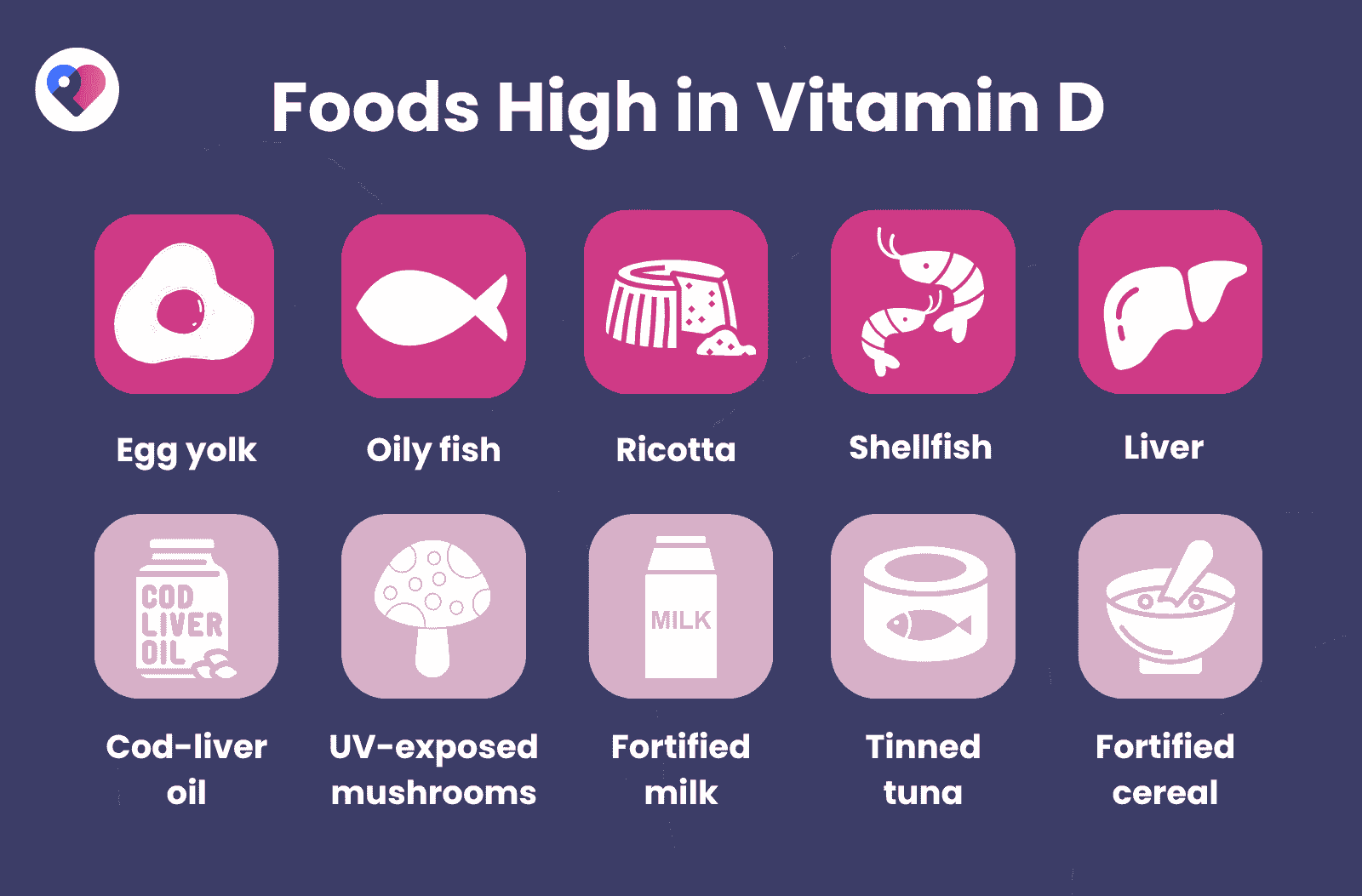
Oily fish are among the richest natural sources of vitamin D. Just one serving of salmon or mackerel can provide most of your daily requirement. Sardines, whether fresh or canned, are another excellent option, supplying both calcium and omega-3 fatty acids.
2. Egg Yolks
Eggs are a convenient and versatile way to increase your vitamin D intake. The yolk contains most of the nutrient, so consuming whole eggs rather than just the whites is advisable. Vitamin D levels can vary based on how the hens were raised, with eggs from free-range or outdoor-reared hens typically containing more.
3. Fortified Foods
In the UK, many everyday foods are fortified with vitamin D, meaning it is added during production. Common examples include cereals and dairy products. Fortified foods are particularly beneficial for vegetarians, vegans, or anyone who does not consume fish. Always check the label to see how much vitamin D a product contains.
4. Mushrooms Exposed to Sunlight
Most mushrooms contain minimal vitamin D unless they have been exposed to UV light, which increases their vitamin D2 content. Look for labels that say “UV-exposed” or “vitamin D enriched.” Leaving ordinary mushrooms on a sunny windowsill for an hour before cooking can slightly boost their vitamin D levels.
5. Liver
Beef and lamb liver are rich in several nutrients, including vitamin D, iron, and vitamin A. However, due to their high vitamin A content, they should be consumed in moderation, especially by pregnant individuals, as excessive vitamin A can be harmful to the baby.
6. Cod Liver Oil
Cod liver oil has long been a popular supplement in the UK and remains one of the richest natural sources of vitamin D. Just one teaspoon can provide your entire daily dose. However, because it is also high in vitamin A, it’s best to follow the recommended dosage and avoid taking it alongside other vitamin A supplements.
7. Tinned Tuna
Fresh tuna loses much of its vitamin D during cooking, but tinned tuna retains more of it. It is a convenient cupboard staple that can be added to sandwiches, salads, or pasta dishes. Opt for tuna canned in spring water rather than oil for a lighter option.
8. Cheese
Some types of cheese, particularly ricotta, contain small amounts of vitamin D. When combined with other vitamin D-rich foods, cheese can contribute to your overall intake. It also provides calcium and protein, which support bone and muscle health.
9. Shellfish
Prawns and oysters contain modest amounts of vitamin D, along with protein, zinc, and vitamin B12. They are lower in fat than other animal sources, making them a healthy addition to a balanced diet.
10. Fortified Plant-Based Alternatives
For those following a vegan diet, fortified plant-based milks, yoghurts, and spreads are among the most reliable sources of vitamin D. They usually contain vitamin D2, although some brands now add D3 derived from lichen2, which is suitable for vegans and considered more effective.
Meeting your vitamin D needs through food alone can be challenging, even with a varied diet. This is why supplementation is sometimes recommended, particularly during the winter months or for individuals at higher risk of deficiency, including those who rarely go outdoors or have darker skin tones.
If you are uncertain about whether you need a supplement, consult your doctor or pharmacist. They may suggest a simple blood test to check your levels.
While sunlight is the primary source of vitamin D, certain foods high in vitamin D, such as oily fish, fortified products, and eggs, can significantly contribute to your intake. For most people, combining these foods with a daily supplement during the winter provides the best protection against deficiency. Always adhere to the recommended intake to avoid vitamin D toxicity.
Maintaining healthy vitamin D levels supports not only your bones and muscles but also your immune system and overall wellbeing.
Patient picks for Vitamins and supplements

Vitamin D plays a crucial role in helping the body absorb calcium and phosphate, essential nutrients for maintaining strong bones, teeth, and muscles. A deficiency in vitamin D can lead to various health issues, including fatigue, low mood, weakened immunity, and severe bone problems such as rickets or osteoporosis.
Since the body generates vitamin D when the skin is exposed to sunlight, many individuals may experience a deficiency during the autumn and winter months. To counteract this seasonal shortfall, experts recommend that adults consider taking a daily supplement of 10 micrograms (400 International Units) from October through March to maintain healthy levels of this vital vitamin.¹
In addition to supplements, enhancing your vitamin D intake through dietary sources is beneficial. Here are some everyday foods that can help boost your vitamin D levels, along with a few surprising options.
Food Sources of Vitamin D
1. Oily Fish
Oily fish are among the richest natural sources of vitamin D. Just one serving of salmon or mackerel can provide most of your daily requirement. Sardines, whether fresh or canned, are another excellent option, supplying both calcium and omega-3 fatty acids.
2. Egg Yolks
Eggs are a convenient and versatile way to increase your vitamin D intake. The yolk contains most of the nutrient, so consuming whole eggs rather than just the whites is advisable. Vitamin D levels can vary based on how the hens were raised, with eggs from free-range or outdoor-reared hens typically containing more.
3. Fortified Foods
In the UK, many everyday foods are fortified with vitamin D, meaning it is added during production. Common examples include cereals and dairy products. Fortified foods are particularly beneficial for vegetarians, vegans, or anyone who does not consume fish. Always check the label to see how much vitamin D a product contains.
4. Mushrooms Exposed to Sunlight
Most mushrooms contain minimal vitamin D unless they have been exposed to UV light, which increases their vitamin D2 content. Look for labels that say “UV-exposed” or “vitamin D enriched.” Leaving ordinary mushrooms on a sunny windowsill for an hour before cooking can slightly boost their vitamin D levels.
5. Liver
Beef and lamb liver are rich in several nutrients, including vitamin D, iron, and vitamin A. However, due to their high vitamin A content, they should be consumed in moderation, especially by pregnant individuals, as excessive vitamin A can be harmful to the baby.
6. Cod Liver Oil
Cod liver oil has long been a popular supplement in the UK and remains one of the richest natural sources of vitamin D. Just one teaspoon can provide your entire daily dose. However, because it is also high in vitamin A, it’s best to follow the recommended dosage and avoid taking it alongside other vitamin A supplements.
7. Tinned Tuna
Fresh tuna loses much of its vitamin D during cooking, but tinned tuna retains more of it. It is a convenient cupboard staple that can be added to sandwiches, salads, or pasta dishes. Opt for tuna canned in spring water rather than oil for a lighter option.
8. Cheese
Some types of cheese, particularly ricotta, contain small amounts of vitamin D. When combined with other vitamin D-rich foods, cheese can contribute to your overall intake. It also provides calcium and protein, which support bone and muscle health.
9. Shellfish
Prawns and oysters contain modest amounts of vitamin D, along with protein, zinc, and vitamin B12. They are lower in fat than other animal sources, making them a healthy addition to a balanced diet.
10. Fortified Plant-Based Alternatives
For those following a vegan diet, fortified plant-based milks, yoghurts, and spreads are among the most reliable sources of vitamin D. They usually contain vitamin D2, although some brands now add D3 derived from lichen2, which is suitable for vegans and considered more effective.
Meeting your vitamin D needs through food alone can be challenging, even with a varied diet. This is why supplementation is sometimes recommended, particularly during the winter months or for individuals at higher risk of deficiency, including those who rarely go outdoors or have darker skin tones.
If you are uncertain about whether you need a supplement, consult your doctor or pharmacist. They may suggest a simple blood test to check your levels.
While sunlight is the primary source of vitamin D, certain foods high in vitamin D, such as oily fish, fortified products, and eggs, can significantly contribute to your intake. For most people, combining these foods with a daily supplement during the winter provides the best protection against deficiency. Always adhere to the recommended intake to avoid vitamin D toxicity.
Maintaining healthy vitamin D levels supports not only your bones and muscles but also your immune system and overall wellbeing.