Understanding the Shorter Return Period for LA Wildfire-Scale Events
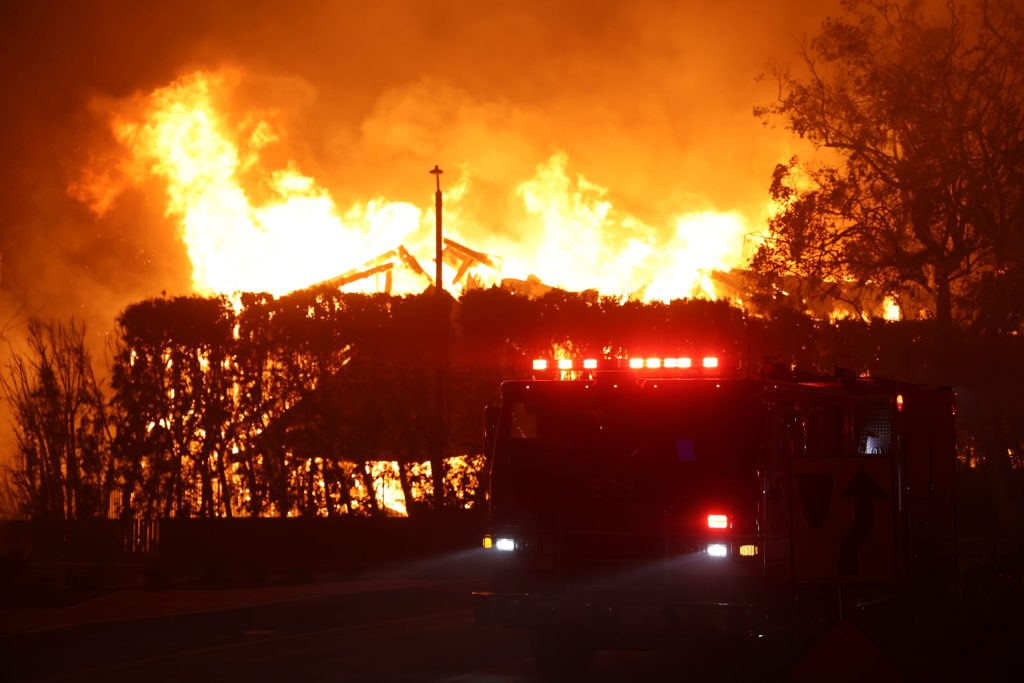
The one-year anniversary of the January 2025 Los Angeles wildfires has prompted extensive analyses and reporting, revealing the devastating impact of these fires, which destroyed over 16,000 properties and generated more than $22 billion in claims to date.
A recent report from Morningstar DBS Research characterized the L.A. wildfires as “a significant stress event” for California’s property and casualty insurance sector. An investigation by the Associated Press highlighted that fewer than a dozen homes have been rebuilt in L.A. County, while the California Department of Insurance reported that the number of claims has surpassed 42,000 and continues to rise.
Alarmingly, a new report indicates that the return period for wildfires of this magnitude may be shorter than previously thought, largely due to climate change and building practices that have increasingly placed homes in the wildland-urban interface.
The aftermath of the L.A. fires has spurred a series of reforms from the state’s insurance regulators and lawmakers. These changes include amendments to California insurance law, allowing carriers to utilize more advanced catastrophe models and expediting the review of rate hike requests. Insurers are now also required to write homeowners insurance in higher-risk areas of the state.
Related: California Bill Would Require Insurer Claims Handling Plans, and Double Penalties
The latest proposed legislation, the Disaster Recovery Reform Act (Senate Bill 876), mandates that insurers develop disaster recovery plans for claims handling during emergencies. It also proposes to double penalties for violations of insurance fair claims practices during declared emergencies.
Despite these legislative efforts aimed at making insurance more affordable for homeowners, one significant challenge remains: climate change. Rising temperatures, prolonged droughts, and erratic weather patterns have redefined wildfire risks in California. A new report from Gallagher Re indicates that extended fire seasons are becoming increasingly probable rather than rare occurrences.
The Gallagher Re report estimates that the total insured value exposed in the L.A. fires corresponds to a one-in-35-year return period, establishing a new baseline for modern wildfire risk under current climate conditions.
“The environment in California is changing, right?” stated Toby Hardman, executive vice president and co-lead of sales for Gallagher Re North America. “It’s not constant. So, where someone might have thought that event would have had a much higher return period some time ago, the dynamics of loss potential have shifted, leading to larger numbers emerging at shorter return periods.”
Related: JPMorgan, Citi Extending Mortgage Relief for LA Wildfire Victims
The report also highlights a regional shift in fire risk across California. While Southern California remains highly susceptible to insured losses due to high-value properties and the annual Santa Ana winds, Northern California has seen a significant increase in fire frequency and severity. Notably, eighteen of Northern California’s twenty costliest wildfire events have occurred since 2015, resulting in a nearly even split in statewide average annual losses between the two regions.
These changes have disrupted the insurance market in California, leading to an increase in reliance on excess and surplus markets and the FAIR Plan. The FAIR Plan’s exposure surged from $167 billion in 2021 to nearly $700 billion in 2025, now covering a substantial share of high-risk properties and creating systemic risk for carriers due to assessments following major losses.
Furthermore, these shifts have altered the reinsurance dynamics for homeowners insurers in the state. Hardman noted, “There’s been a stair-step change in California due to multiple factors, not just losses but also the availability of reinsurance and requirements that have compelled the admitted market to cover more hazardous areas.” He emphasized that wildfire risks are unique, as they can lead to significant losses from a small number of affected homes, resulting in extreme variability in performance for individual insurance companies.
Interested in Catastrophe?
Get automatic alerts for this topic.
The one-year anniversary of the January 2025 Los Angeles wildfires has prompted extensive analyses and reporting, revealing the devastating impact of these fires, which destroyed over 16,000 properties and generated more than $22 billion in claims to date.
A recent report from Morningstar DBS Research characterized the L.A. wildfires as “a significant stress event” for California’s property and casualty insurance sector. An investigation by the Associated Press highlighted that fewer than a dozen homes have been rebuilt in L.A. County, while the California Department of Insurance reported that the number of claims has surpassed 42,000 and continues to rise.
Alarmingly, a new report indicates that the return period for wildfires of this magnitude may be shorter than previously thought, largely due to climate change and building practices that have increasingly placed homes in the wildland-urban interface.
The aftermath of the L.A. fires has spurred a series of reforms from the state’s insurance regulators and lawmakers. These changes include amendments to California insurance law, allowing carriers to utilize more advanced catastrophe models and expediting the review of rate hike requests. Insurers are now also required to write homeowners insurance in higher-risk areas of the state.
Related: California Bill Would Require Insurer Claims Handling Plans, and Double Penalties
The latest proposed legislation, the Disaster Recovery Reform Act (Senate Bill 876), mandates that insurers develop disaster recovery plans for claims handling during emergencies. It also proposes to double penalties for violations of insurance fair claims practices during declared emergencies.
Despite these legislative efforts aimed at making insurance more affordable for homeowners, one significant challenge remains: climate change. Rising temperatures, prolonged droughts, and erratic weather patterns have redefined wildfire risks in California. A new report from Gallagher Re indicates that extended fire seasons are becoming increasingly probable rather than rare occurrences.
The Gallagher Re report estimates that the total insured value exposed in the L.A. fires corresponds to a one-in-35-year return period, establishing a new baseline for modern wildfire risk under current climate conditions.
“The environment in California is changing, right?” stated Toby Hardman, executive vice president and co-lead of sales for Gallagher Re North America. “It’s not constant. So, where someone might have thought that event would have had a much higher return period some time ago, the dynamics of loss potential have shifted, leading to larger numbers emerging at shorter return periods.”
Related: JPMorgan, Citi Extending Mortgage Relief for LA Wildfire Victims
The report also highlights a regional shift in fire risk across California. While Southern California remains highly susceptible to insured losses due to high-value properties and the annual Santa Ana winds, Northern California has seen a significant increase in fire frequency and severity. Notably, eighteen of Northern California’s twenty costliest wildfire events have occurred since 2015, resulting in a nearly even split in statewide average annual losses between the two regions.
These changes have disrupted the insurance market in California, leading to an increase in reliance on excess and surplus markets and the FAIR Plan. The FAIR Plan’s exposure surged from $167 billion in 2021 to nearly $700 billion in 2025, now covering a substantial share of high-risk properties and creating systemic risk for carriers due to assessments following major losses.
Furthermore, these shifts have altered the reinsurance dynamics for homeowners insurers in the state. Hardman noted, “There’s been a stair-step change in California due to multiple factors, not just losses but also the availability of reinsurance and requirements that have compelled the admitted market to cover more hazardous areas.” He emphasized that wildfire risks are unique, as they can lead to significant losses from a small number of affected homes, resulting in extreme variability in performance for individual insurance companies.
Interested in Catastrophe?
Get automatic alerts for this topic.