Trump Administration Commits to Sustaining Operations of All US Coal Plants
Trump administration officials have committed to maintaining the operation of U.S. coal power plants, framing it as essential for meeting increasing electricity demand and revitalizing the nation’s industrial sector.
“The goal is 100% open,” stated Interior Secretary Doug Burgum. “That’s the standard we’re operating against.”
Burgum made this remark during the inaugural meeting of Trump’s newly reformed National Coal Council, an advisory group that was allowed to lapse under President Joe Biden. In contrast, Trump aims to engineer a coal resurgence in his second term, including mandates for certain power plants to continue utilizing coal.
The optimistic projections from the Trump administration regarding coal and its associated power plants stand in stark contrast to the more cautious outlook from analysts. Many experts highlight the growing reliance on natural gas and renewable energy sources. This discussion comes as the administration grapples with rising electricity prices and consumer costs, a significant concern for Republicans as they seek to maintain control of Congress in the upcoming elections.
According to Andy Blumenfeld, director of data analytics at McCloskey by Opis, focusing on the existing coal fleet is a more viable short-term strategy. While these plants are currently operational, many are aging and will require substantial maintenance to remain functional. In the interim, utilities can turn to gas and nuclear energy, which are expected to become more accessible in the coming years.
“We need the power, and the coal units are there now,” Blumenfeld noted. “But in the long term, they’re up against an aging coal fleet.”
In response to these challenges, the Energy Department is allocating up to $525 million for the upgrade or construction of coal-fired power plants, a move that has drawn criticism from environmental advocates.
Trump has swiftly rolled back regulations and subsidies that have favored emissions-free renewable energy. The Energy Department has also issued emergency orders mandating some coal plants to remain operational, while the Environmental Protection Agency recently denied Colorado’s request to close one of its coal plants.
Additionally, the Interior Department is working to open more federal land for coal leasing in states like North Dakota, Montana, and Wyoming.
“Seventeen gigawatts of coal generation are open today that would not have been open,” Energy Secretary Chris Wright stated, attributing this shift to emergency orders requiring plants to operate. “You will not see those coal plants close during this administration.”
Utilities are now reaching out to the Energy Department to keep their plants operational, despite some states advocating for their closure. Burgum, who leads Trump’s National Energy Dominance Council, has even suggested the possibility of new coal plant construction, although many analysts are skeptical.
The National Coal Council meeting also explored strategies for maintaining and expanding the nation’s coal fleet, as well as opportunities for increasing fossil fuel exports. The panel comprises around 60 members, including executives from leading coal producers like Peabody Energy and Hallador Energy Co., alongside power utilities such as FirstEnergy Corp.
U.S. coal consumption has been on a decline for years as utilities shift towards cheaper natural gas and renewables. Once accounting for over half of the nation’s electricity generation, coal’s share has dropped to approximately 17% in 2025 and is projected to fall to 15% this year.
However, a surge in U.S. electricity demand has provided a temporary boost for coal producers. Utilities have postponed the retirement of coal-fired plants, while federal orders keep others operational, supporting demand and contributing to a modest rebound in 2025.
Electric generation from coal increased by 13% last year, primarily due to rising gas prices. However, forecasts indicate a return to a downward trend in 2026, according to government predictions.
During the recent meeting, coal and utility executives expressed concerns about over-reliance on natural gas as a primary power source. Some called for enhanced protections for U.S. mines, while others emphasized the need to control rising electricity prices.
Wright linked coal power to a robust manufacturing sector, while Burgum highlighted its importance in the U.S. effort to compete with China in artificial intelligence. The immediate focus remains on ensuring sufficient electricity supply, particularly for data centers crucial for AI development, as noted by Randall Atkins, CEO of coal supplier Ramaco Resources Inc.
“The objective is the data centers, and how we’re going to figure out how to power them,” Atkins remarked in an interview.
Wright also cautioned that if courts compel major asset managers to divest coal-related assets, it could jeopardize efforts to support coal mining and electricity generation. This concern arises from a lawsuit alleging that firms like BlackRock Inc. and Vanguard Group Inc. colluded to reduce coal output, violating antitrust laws.
Fossil fuel advocates have criticized ESG initiatives for diverting capital away from oil, gas, and coal. Former Trump Energy Secretary Rick Perry has predicted that a successful lawsuit could remove an estimated $18 billion in coal holdings from asset managers’ portfolios, posing a “direct threat to coal companies’ ability to raise capital, finance infrastructure, and support jobs.”
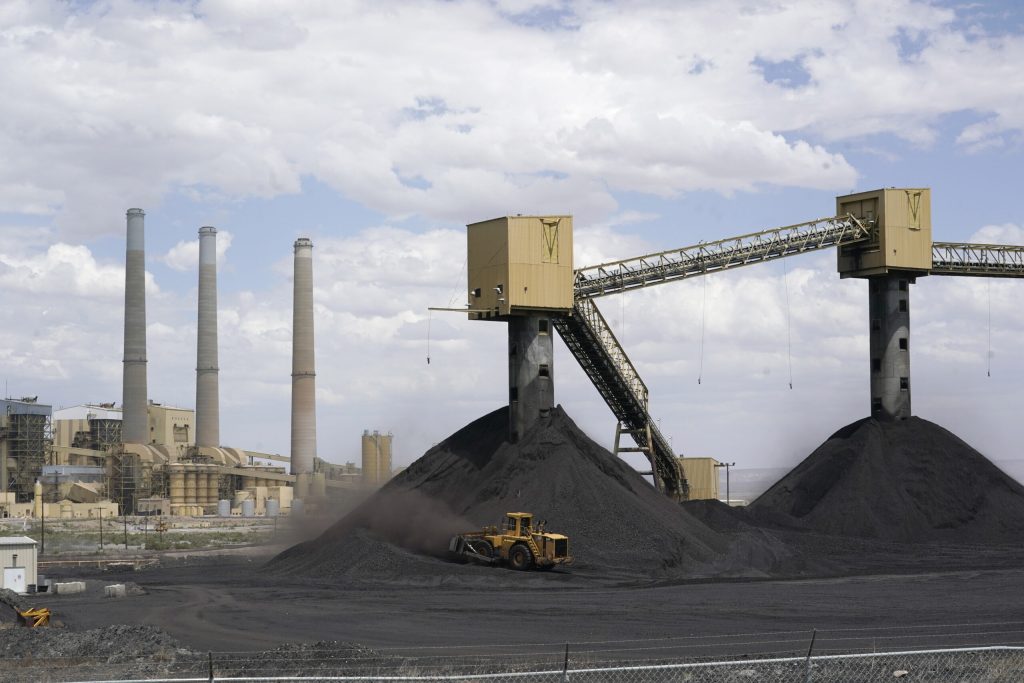
Photo: The PacifiCorp Hunter coal-fired electrical generation plant in Castle Dale, Utah. Photographer: George Frey/Bloomberg
Copyright 2026 Bloomberg.
Topics
USA
Trump administration officials have committed to maintaining the operation of U.S. coal power plants, framing it as essential for meeting increasing electricity demand and revitalizing the nation’s industrial sector.
“The goal is 100% open,” stated Interior Secretary Doug Burgum. “That’s the standard we’re operating against.”
Burgum made this remark during the inaugural meeting of Trump’s newly reformed National Coal Council, an advisory group that was allowed to lapse under President Joe Biden. In contrast, Trump aims to engineer a coal resurgence in his second term, including mandates for certain power plants to continue utilizing coal.
The optimistic projections from the Trump administration regarding coal and its associated power plants stand in stark contrast to the more cautious outlook from analysts. Many experts highlight the growing reliance on natural gas and renewable energy sources. This discussion comes as the administration grapples with rising electricity prices and consumer costs, a significant concern for Republicans as they seek to maintain control of Congress in the upcoming elections.
According to Andy Blumenfeld, director of data analytics at McCloskey by Opis, focusing on the existing coal fleet is a more viable short-term strategy. While these plants are currently operational, many are aging and will require substantial maintenance to remain functional. In the interim, utilities can turn to gas and nuclear energy, which are expected to become more accessible in the coming years.
“We need the power, and the coal units are there now,” Blumenfeld noted. “But in the long term, they’re up against an aging coal fleet.”
In response to these challenges, the Energy Department is allocating up to $525 million for the upgrade or construction of coal-fired power plants, a move that has drawn criticism from environmental advocates.
Trump has swiftly rolled back regulations and subsidies that have favored emissions-free renewable energy. The Energy Department has also issued emergency orders mandating some coal plants to remain operational, while the Environmental Protection Agency recently denied Colorado’s request to close one of its coal plants.
Additionally, the Interior Department is working to open more federal land for coal leasing in states like North Dakota, Montana, and Wyoming.
“Seventeen gigawatts of coal generation are open today that would not have been open,” Energy Secretary Chris Wright stated, attributing this shift to emergency orders requiring plants to operate. “You will not see those coal plants close during this administration.”
Utilities are now reaching out to the Energy Department to keep their plants operational, despite some states advocating for their closure. Burgum, who leads Trump’s National Energy Dominance Council, has even suggested the possibility of new coal plant construction, although many analysts are skeptical.
The National Coal Council meeting also explored strategies for maintaining and expanding the nation’s coal fleet, as well as opportunities for increasing fossil fuel exports. The panel comprises around 60 members, including executives from leading coal producers like Peabody Energy and Hallador Energy Co., alongside power utilities such as FirstEnergy Corp.
U.S. coal consumption has been on a decline for years as utilities shift towards cheaper natural gas and renewables. Once accounting for over half of the nation’s electricity generation, coal’s share has dropped to approximately 17% in 2025 and is projected to fall to 15% this year.
However, a surge in U.S. electricity demand has provided a temporary boost for coal producers. Utilities have postponed the retirement of coal-fired plants, while federal orders keep others operational, supporting demand and contributing to a modest rebound in 2025.
Electric generation from coal increased by 13% last year, primarily due to rising gas prices. However, forecasts indicate a return to a downward trend in 2026, according to government predictions.
During the recent meeting, coal and utility executives expressed concerns about over-reliance on natural gas as a primary power source. Some called for enhanced protections for U.S. mines, while others emphasized the need to control rising electricity prices.
Wright linked coal power to a robust manufacturing sector, while Burgum highlighted its importance in the U.S. effort to compete with China in artificial intelligence. The immediate focus remains on ensuring sufficient electricity supply, particularly for data centers crucial for AI development, as noted by Randall Atkins, CEO of coal supplier Ramaco Resources Inc.
“The objective is the data centers, and how we’re going to figure out how to power them,” Atkins remarked in an interview.
Wright also cautioned that if courts compel major asset managers to divest coal-related assets, it could jeopardize efforts to support coal mining and electricity generation. This concern arises from a lawsuit alleging that firms like BlackRock Inc. and Vanguard Group Inc. colluded to reduce coal output, violating antitrust laws.
Fossil fuel advocates have criticized ESG initiatives for diverting capital away from oil, gas, and coal. Former Trump Energy Secretary Rick Perry has predicted that a successful lawsuit could remove an estimated $18 billion in coal holdings from asset managers’ portfolios, posing a “direct threat to coal companies’ ability to raise capital, finance infrastructure, and support jobs.”
Photo: The PacifiCorp Hunter coal-fired electrical generation plant in Castle Dale, Utah. Photographer: George Frey/Bloomberg
Copyright 2026 Bloomberg.
Topics
USA