Weight-Loss Medications Prompt Restaurants to Downsize Portions and Revise Strategies
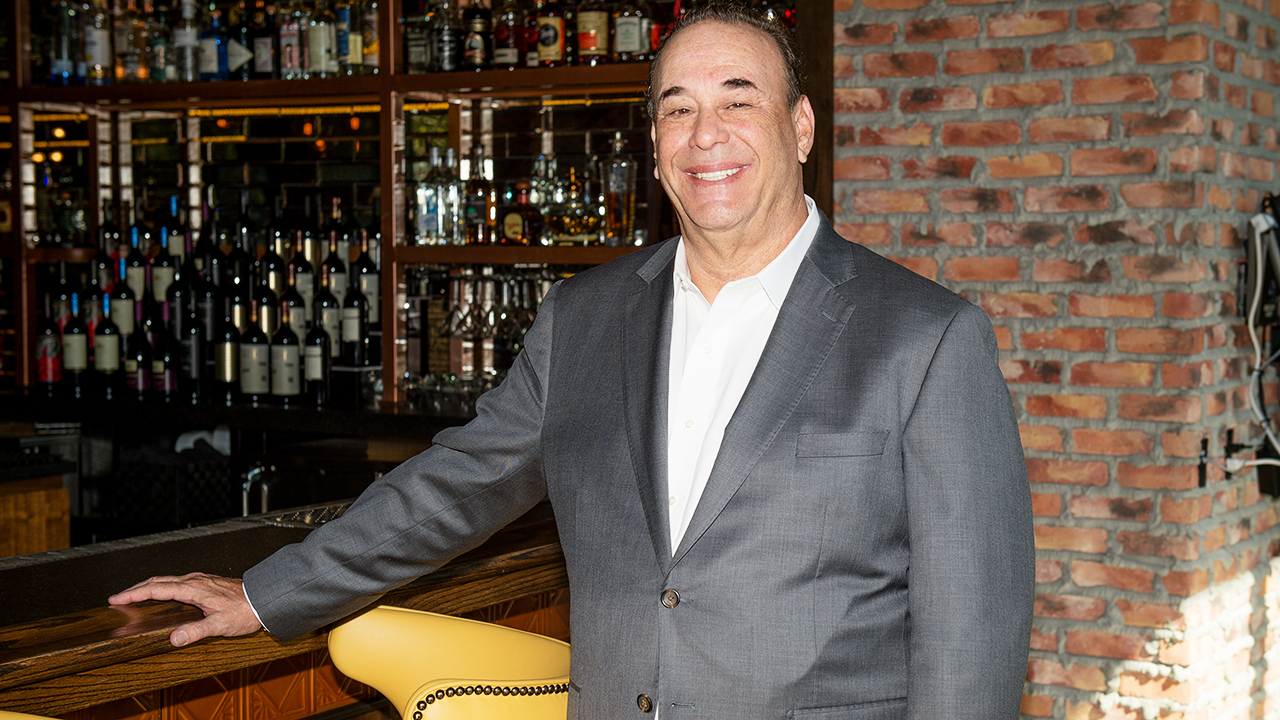
‘Bar Rescue’ host Jon Taffer joins ‘Varney & Co.’ to discuss how weight loss drugs, inflation, and rising costs are reshaping America’s restaurant industry.
America’s restaurant industry is undergoing a significant transformation as weight-loss drugs alter dining habits, influencing not only what people eat but also how much food they leave behind and their willingness to pay for meals.
In a recent appearance on FOX Business’ “Varney & Co.”, Jon Taffer explained how the increasing popularity of weight-loss drugs is shifting consumer behavior. He emphasized that this trend is prompting restaurants to rethink various aspects of their operations, from portion sizes to pricing strategies, all while grappling with high operating costs.
Celebrity chef and restaurant owner Andrew Gruel joins ‘Varney & Co.’ to break down the surprising ways weight loss drugs are hitting restaurant menus, alcohol sales, and profit margins across the country.
“People are consuming less food, as we know, because of these [GLP-1] drugs,” Taffer stated. “Restaurants are also battling high prices due to inflationary pressures. A viable solution is to reduce portion sizes.”
The issue of food waste has become a significant concern for many establishments. Taffer pointed out that a considerable portion of meals often goes uneaten, leading to increased costs for restaurants. “In many of our restaurants, 30% to 40% of the food is returned to be thrown out,” he noted.
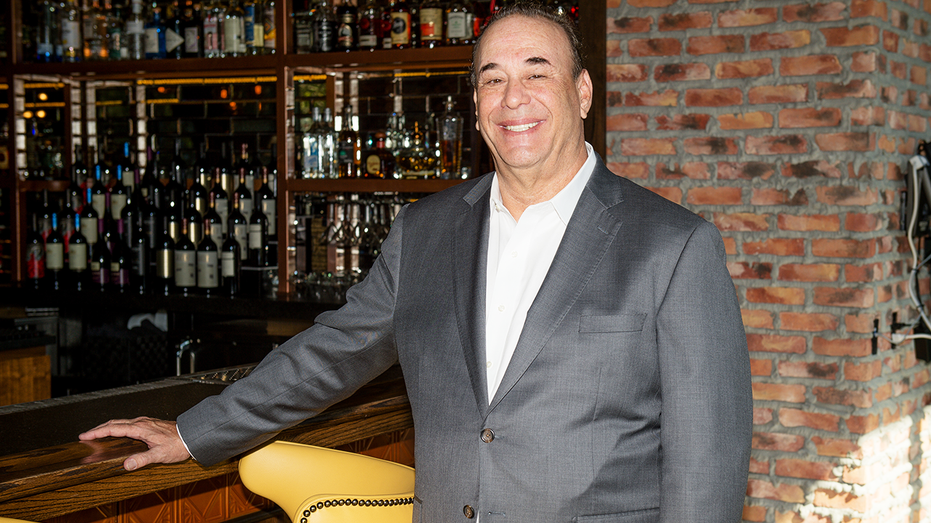
‘Bar Rescue’ host Jon Taffer standing in front of a bar.
Taffer suggested that by reducing portion sizes, restaurants can minimize waste while providing customers with a sense of better value, avoiding the perception of higher prices. “We’re finally reducing the portion size to adjust to these lighter appetites. This could be a nice solution for making prices more manageable,” he explained.
Additionally, NOVO NORDISK EXECUTIVE REPORTS HIGH INTEREST FOR ONCE-DAILY, ORAL WEIGHT-LOSS PILL highlights the growing interest in weight-loss solutions that could further impact dining trends.
Changes in consumer habits are also affecting bar sales. Taffer noted a steady decline in alcohol consumption, with a crowded marketplace struggling to adapt. “Currently, about 54% of Americans over 21 are consuming alcohol, the lowest number we’ve ever seen,” he remarked.
Fox News senior medical analyst Dr. Marc Siegel joins ‘Mornings with Maria’ to break down the new FDA-approved weight loss pill, concerns over cost and safety, and how GLP-1 drugs could transform obesity care.
Behind the scenes, affordability pressures are squeezing independent operators, particularly in high-cost cities. Taffer cautioned that rising expenses are making it increasingly difficult for restaurants to survive long enough to adapt to these changes. “If businesses can’t afford to operate, they can’t provide value to their customers, and affordability becomes unattainable,” he concluded.
‘Bar Rescue’ host Jon Taffer joins ‘Varney & Co.’ to discuss how weight loss drugs, inflation, and rising costs are reshaping America’s restaurant industry.
America’s restaurant industry is undergoing a significant transformation as weight-loss drugs alter dining habits, influencing not only what people eat but also how much food they leave behind and their willingness to pay for meals.
In a recent appearance on FOX Business’ “Varney & Co.”, Jon Taffer explained how the increasing popularity of weight-loss drugs is shifting consumer behavior. He emphasized that this trend is prompting restaurants to rethink various aspects of their operations, from portion sizes to pricing strategies, all while grappling with high operating costs.
Celebrity chef and restaurant owner Andrew Gruel joins ‘Varney & Co.’ to break down the surprising ways weight loss drugs are hitting restaurant menus, alcohol sales, and profit margins across the country.
“People are consuming less food, as we know, because of these [GLP-1] drugs,” Taffer stated. “Restaurants are also battling high prices due to inflationary pressures. A viable solution is to reduce portion sizes.”
The issue of food waste has become a significant concern for many establishments. Taffer pointed out that a considerable portion of meals often goes uneaten, leading to increased costs for restaurants. “In many of our restaurants, 30% to 40% of the food is returned to be thrown out,” he noted.
‘Bar Rescue’ host Jon Taffer standing in front of a bar.
Taffer suggested that by reducing portion sizes, restaurants can minimize waste while providing customers with a sense of better value, avoiding the perception of higher prices. “We’re finally reducing the portion size to adjust to these lighter appetites. This could be a nice solution for making prices more manageable,” he explained.
Additionally, NOVO NORDISK EXECUTIVE REPORTS HIGH INTEREST FOR ONCE-DAILY, ORAL WEIGHT-LOSS PILL highlights the growing interest in weight-loss solutions that could further impact dining trends.
Changes in consumer habits are also affecting bar sales. Taffer noted a steady decline in alcohol consumption, with a crowded marketplace struggling to adapt. “Currently, about 54% of Americans over 21 are consuming alcohol, the lowest number we’ve ever seen,” he remarked.
Fox News senior medical analyst Dr. Marc Siegel joins ‘Mornings with Maria’ to break down the new FDA-approved weight loss pill, concerns over cost and safety, and how GLP-1 drugs could transform obesity care.
Behind the scenes, affordability pressures are squeezing independent operators, particularly in high-cost cities. Taffer cautioned that rising expenses are making it increasingly difficult for restaurants to survive long enough to adapt to these changes. “If businesses can’t afford to operate, they can’t provide value to their customers, and affordability becomes unattainable,” he concluded.