Trump Administration Aims to Reduce Drug Costs by Targeting Pharmacy Benefit Manager Kickbacks
FOX Business’ Edward Lawrence reports from the White House on President Donald Trump’s push to lower costs through competition-based health insurance and affordable housing initiatives.
The Trump administration has announced plans to eliminate kickbacks involving pharmacy benefit managers (PBMs) as part of its broader initiative to reduce health insurance costs for Americans.
This initiative, known as the “Great Healthcare Plan,” aims to lower drug prices and insurance premiums while holding large insurance companies accountable and enhancing price transparency.
On Thursday, President Donald Trump urged Congress to pass this framework “without delay.” He emphasized the urgency, stating, “We have to do it right now so that we can get immediate relief to the American people,” in a video message announcing the plan.
The administration’s proposal identifies PBMs—described as “large brokerage middlemen”—as responsible for “deceptively” inflating the cost of insurance premiums. Trump’s plan to eliminate kickbacks paid to these PBMs aims to limit their profits and reduce their influence, though it is less drastic than his earlier threats to eliminate them entirely.
TRUMP SAYS DRUG PRICES WILL BE CUT BY AS MUCH AS 90%: WHAT TO KNOW
PBMs have long faced criticism from both the healthcare industry and various presidential administrations. Acting as intermediaries between drug manufacturers, insurers, and pharmacies, they negotiate prices and determine which drugs are available to consumers.

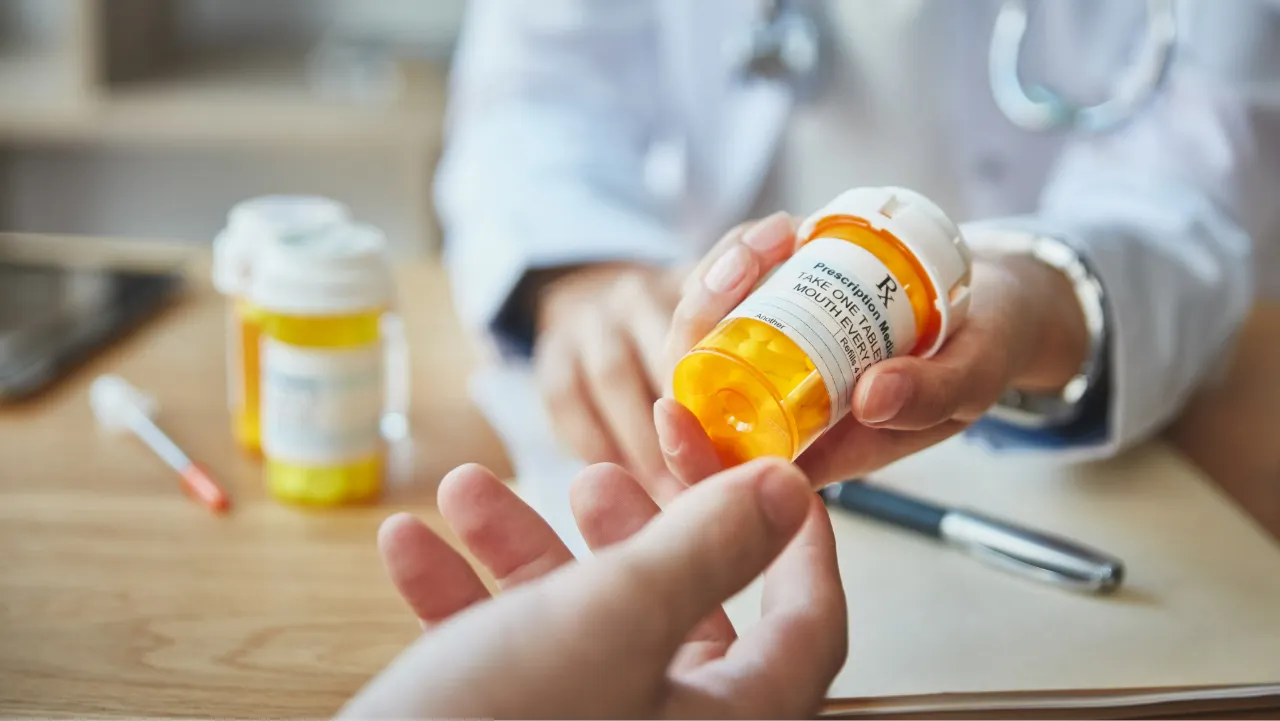
PBMs have long been a target of criticism from both the healthcare industry and presidential administrations. (iStock)
This means they essentially dictate how much insurers pay for medications and how much pharmacies receive. PBMs also directly reimburse retail pharmacies on behalf of insurers, impacting public and private insurance plans, including Medicaid and Medicare Advantage.
In May 2025, Trump expressed intentions to completely eliminate PBMs from the pharmaceutical landscape, asserting that the U.S. should pay the “lowest price there is in the world” for medications.
TRUMP SIGNS EXECUTIVE ORDER AIMED AT BOOSTING US PRESCRIPTION DRUG MANUFACTURING

The framework is dubbed the “Great Healthcare Plan.” (George Frey/Bloomberg via Getty Images)
“We’re going to totally cut out the famous middleman. Nobody knows who they are… I’ve been hearing the term for 25 years,” Trump stated during a May press conference at the White House. “We’re going to cut out the middleman and facilitate the direct sale of drugs at the most favored national price directly to the American citizen. So we’re cutting out the middleman. It’s so important.”
While Trump did not detail how he plans to eliminate PBMs, some pharmaceutical companies agree that the role of these intermediaries must change. Eli Lilly previously stated that lowering prices for U.S. consumers hinges on “intermediaries taking less for themselves.”
Independent pharmacists often blame PBMs for their financial difficulties, citing reduced reimbursement rates that hinder their ability to cover operational costs.
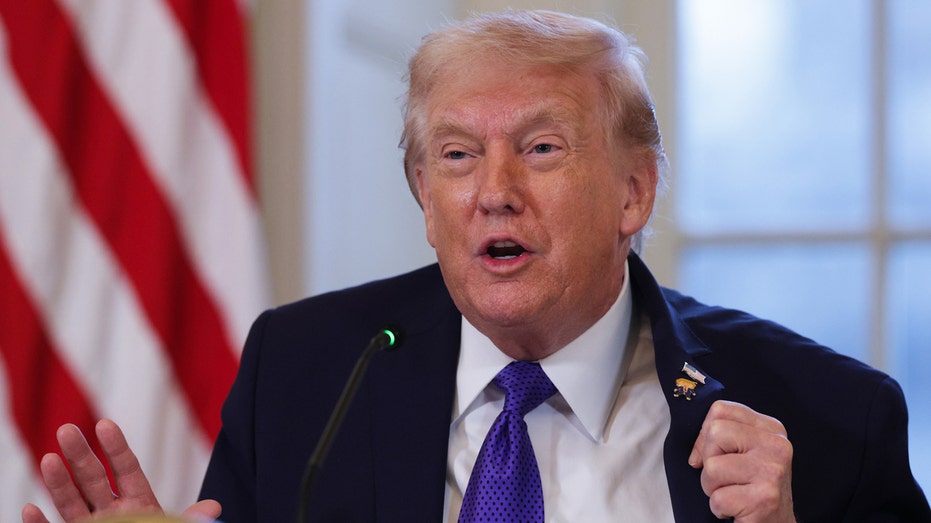
President Donald Trump urged Congress to pass the healthcare framework “without delay.” (Photo by Alex Wong/Getty Images)
However, the Pharmaceutical Care Management Association, the national trade association representing America’s PBMs, contends that “PBMs are the only ones whose mission is to lower prescription drug costs and the only check against drug companies’ unlimited pricing power, negotiating lower costs where competition exists.”
GET FOX BUSINESS ON THE GO BY CLICKING HERE
Targeting PBMs is just one aspect of Trump’s strategy to address rising health insurance costs. The proposal also includes halting efforts to provide large insurance companies with billions in extra taxpayer-funded subsidies. Instead, these funds would be redirected to eligible Americans, allowing them to purchase the health insurance of their choice.
Additionally, the plan aims to fund a cost-sharing reduction program for healthcare plans, which the administration claims would save taxpayers at least $36 billion and reduce the most common Obamacare plan premiums by over 10%, according to figures from the Congressional Budget Office.
FOX Business’ Edward Lawrence reports from the White House on President Donald Trump’s push to lower costs through competition-based health insurance and affordable housing initiatives.
The Trump administration has announced plans to eliminate kickbacks involving pharmacy benefit managers (PBMs) as part of its broader initiative to reduce health insurance costs for Americans.
This initiative, known as the “Great Healthcare Plan,” aims to lower drug prices and insurance premiums while holding large insurance companies accountable and enhancing price transparency.
On Thursday, President Donald Trump urged Congress to pass this framework “without delay.” He emphasized the urgency, stating, “We have to do it right now so that we can get immediate relief to the American people,” in a video message announcing the plan.
The administration’s proposal identifies PBMs—described as “large brokerage middlemen”—as responsible for “deceptively” inflating the cost of insurance premiums. Trump’s plan to eliminate kickbacks paid to these PBMs aims to limit their profits and reduce their influence, though it is less drastic than his earlier threats to eliminate them entirely.
TRUMP SAYS DRUG PRICES WILL BE CUT BY AS MUCH AS 90%: WHAT TO KNOW
PBMs have long faced criticism from both the healthcare industry and various presidential administrations. Acting as intermediaries between drug manufacturers, insurers, and pharmacies, they negotiate prices and determine which drugs are available to consumers.
PBMs have long been a target of criticism from both the healthcare industry and presidential administrations. (iStock)
This means they essentially dictate how much insurers pay for medications and how much pharmacies receive. PBMs also directly reimburse retail pharmacies on behalf of insurers, impacting public and private insurance plans, including Medicaid and Medicare Advantage.
In May 2025, Trump expressed intentions to completely eliminate PBMs from the pharmaceutical landscape, asserting that the U.S. should pay the “lowest price there is in the world” for medications.
TRUMP SIGNS EXECUTIVE ORDER AIMED AT BOOSTING US PRESCRIPTION DRUG MANUFACTURING
The framework is dubbed the “Great Healthcare Plan.” (George Frey/Bloomberg via Getty Images)
“We’re going to totally cut out the famous middleman. Nobody knows who they are… I’ve been hearing the term for 25 years,” Trump stated during a May press conference at the White House. “We’re going to cut out the middleman and facilitate the direct sale of drugs at the most favored national price directly to the American citizen. So we’re cutting out the middleman. It’s so important.”
While Trump did not detail how he plans to eliminate PBMs, some pharmaceutical companies agree that the role of these intermediaries must change. Eli Lilly previously stated that lowering prices for U.S. consumers hinges on “intermediaries taking less for themselves.”
Independent pharmacists often blame PBMs for their financial difficulties, citing reduced reimbursement rates that hinder their ability to cover operational costs.
President Donald Trump urged Congress to pass the healthcare framework “without delay.” (Photo by Alex Wong/Getty Images)
However, the Pharmaceutical Care Management Association, the national trade association representing America’s PBMs, contends that “PBMs are the only ones whose mission is to lower prescription drug costs and the only check against drug companies’ unlimited pricing power, negotiating lower costs where competition exists.”
GET FOX BUSINESS ON THE GO BY CLICKING HERE
Targeting PBMs is just one aspect of Trump’s strategy to address rising health insurance costs. The proposal also includes halting efforts to provide large insurance companies with billions in extra taxpayer-funded subsidies. Instead, these funds would be redirected to eligible Americans, allowing them to purchase the health insurance of their choice.
Additionally, the plan aims to fund a cost-sharing reduction program for healthcare plans, which the administration claims would save taxpayers at least $36 billion and reduce the most common Obamacare plan premiums by over 10%, according to figures from the Congressional Budget Office.