Trump Officials Advocate for Reduced Vehicle Prices on Midwest Auto Industry Tour
Sen. Shelley Moore Capito, R-W.Va., discusses Republican efforts to reverse Biden-era electric vehicle mandates on ‘Kudlow.’
This week, officials from the Trump administration highlighted their initiatives aimed at reducing car prices through regulatory rollbacks and a decreased focus on electric vehicles during a tour of the Midwest auto industry.
U.S. Transportation Secretary Sean Duffy addressed reporters at a Jeep plant in Ohio, stating, “In this administration, we are rolling back what I would argue is illegal and unattainable for a fuel economy standard.” His comments referred to the ambitious vehicle emissions regulations established during the Biden administration.
Duffy elaborated, “Thirty-five miles to the gallon for this new fuel economy standard … which is going to, I think, bring prices down and allow car companies to offer products that Americans want to buy.”
SMALL BUSINESS ADMINISTRATION UNVEILS NEW INITIATIVE TO ROLL BACK FEDERAL REGULATIONS
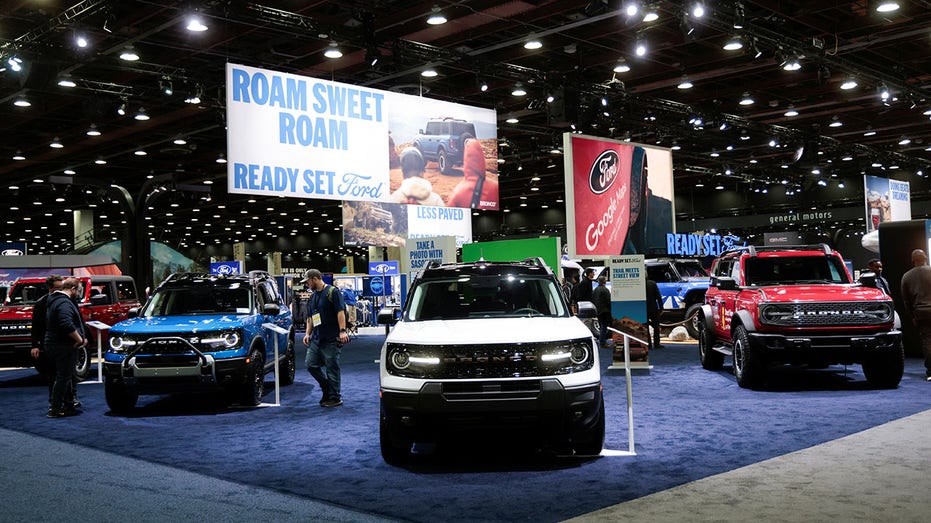
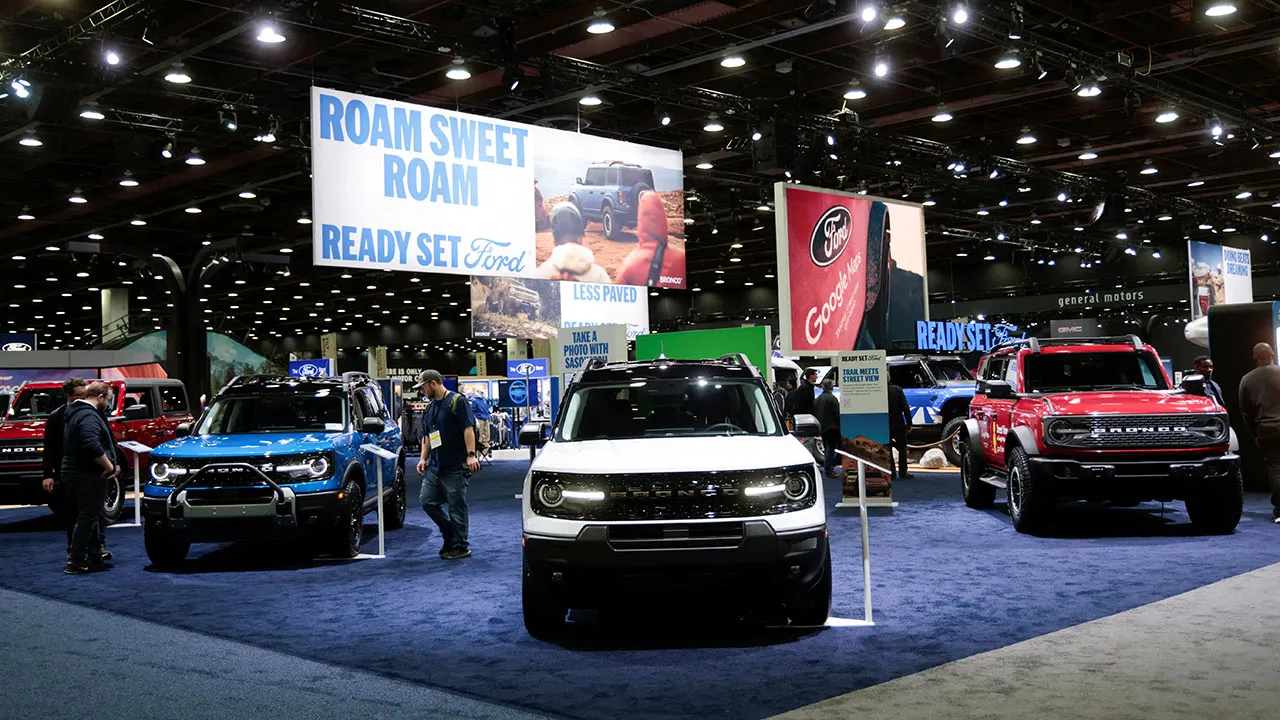
Ford Motor Bronco SUVs are displayed during media day of the Detroit Auto Show in Detroit this week. (Reuters/Rebecca Cook / Reuters)
Duffy, along with Environmental Protection Agency (EPA) head Lee Zeldin and U.S. Trade Representative Jamieson Greer, concluded their two-day Midwestern tour at the annual Detroit Auto Show on Saturday.
Zeldin emphasized that the government “should not be forcing, requiring, mandating that the market go in a direction other than what the American consumer is demanding.” This statement came months after President Donald Trump signed legislation eliminating a $7,500 EV tax credit and rescinded California’s EV rules.
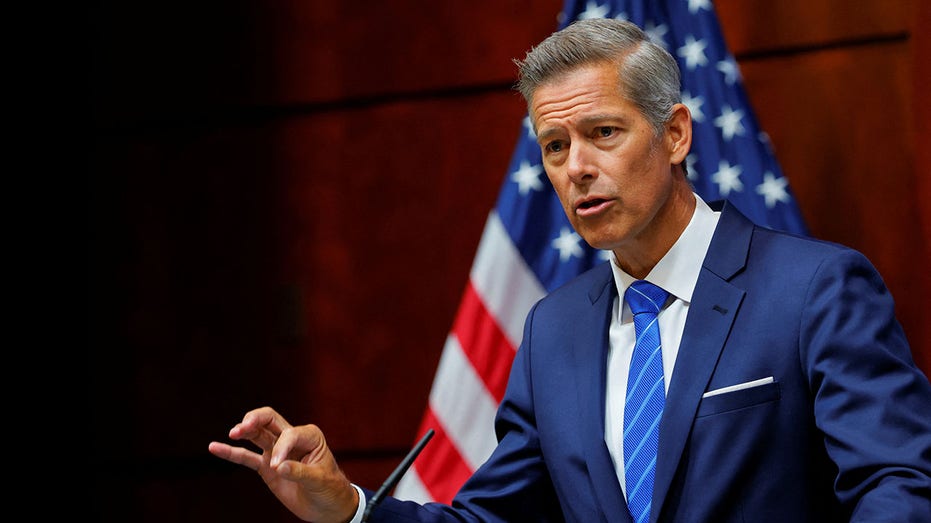
U.S. Transportation Secretary Sean Duffy said he doesn’t want the government dictating what kind of cars are built in the U.S. (Reuters/Brian Snyder / Reuters)
The recent legislation also canceled penalties imposed by the Biden administration on automakers that failed to meet fuel efficiency standards.
Duffy expressed, “I don’t want the government to dictate the kind of cars we build. I want the freedom of innovation, and I want consumer demands to drive the kinds of cars that are produced.”
He further clarified, “This is not a war on EVs at all. There are many people who love them and think they’re wonderful. They should be able to buy them. However, we shouldn’t use government policy to encourage EV purchases while penalizing the combustion engine, which most Americans prefer.”
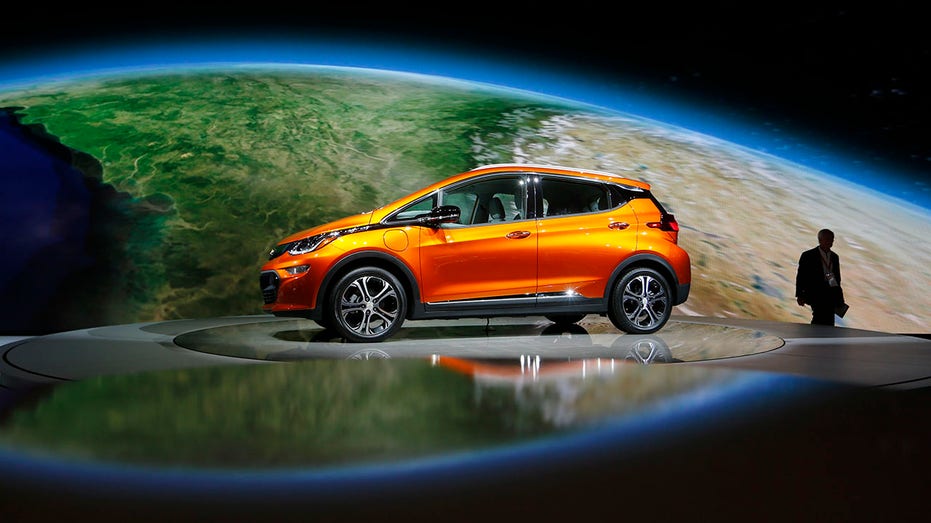
A Chevrolet Bolt EV electric vehicle is displayed at an auto show in Detroit in 2016. (Reuters/Mark Blinch / Reuters)
Despite steep tariffs on imported vehicles, U.S. vehicle sales increased by 2.4%, with the average new car price reaching a record $50,326.
CLICK HERE TO DOWNLOAD THE FOX NEWS APP
American consumers are gravitating towards more expensive SUVs and trucks, while sellers are providing fewer budget-friendly options, according to research from Cox Automotive.
U.S. Trade Representative Greer remarked, “Whatever effects those tariffs may have on various parts of the supply chain, they’re not really getting down to the consumer.”
Reuters contributed to this report.
Sen. Shelley Moore Capito, R-W.Va., discusses Republican efforts to reverse Biden-era electric vehicle mandates on ‘Kudlow.’
This week, officials from the Trump administration highlighted their initiatives aimed at reducing car prices through regulatory rollbacks and a decreased focus on electric vehicles during a tour of the Midwest auto industry.
U.S. Transportation Secretary Sean Duffy addressed reporters at a Jeep plant in Ohio, stating, “In this administration, we are rolling back what I would argue is illegal and unattainable for a fuel economy standard.” His comments referred to the ambitious vehicle emissions regulations established during the Biden administration.
Duffy elaborated, “Thirty-five miles to the gallon for this new fuel economy standard … which is going to, I think, bring prices down and allow car companies to offer products that Americans want to buy.”
SMALL BUSINESS ADMINISTRATION UNVEILS NEW INITIATIVE TO ROLL BACK FEDERAL REGULATIONS
Ford Motor Bronco SUVs are displayed during media day of the Detroit Auto Show in Detroit this week. (Reuters/Rebecca Cook / Reuters)
Duffy, along with Environmental Protection Agency (EPA) head Lee Zeldin and U.S. Trade Representative Jamieson Greer, concluded their two-day Midwestern tour at the annual Detroit Auto Show on Saturday.
Zeldin emphasized that the government “should not be forcing, requiring, mandating that the market go in a direction other than what the American consumer is demanding.” This statement came months after President Donald Trump signed legislation eliminating a $7,500 EV tax credit and rescinded California’s EV rules.
U.S. Transportation Secretary Sean Duffy said he doesn’t want the government dictating what kind of cars are built in the U.S. (Reuters/Brian Snyder / Reuters)
The recent legislation also canceled penalties imposed by the Biden administration on automakers that failed to meet fuel efficiency standards.
Duffy expressed, “I don’t want the government to dictate the kind of cars we build. I want the freedom of innovation, and I want consumer demands to drive the kinds of cars that are produced.”
He further clarified, “This is not a war on EVs at all. There are many people who love them and think they’re wonderful. They should be able to buy them. However, we shouldn’t use government policy to encourage EV purchases while penalizing the combustion engine, which most Americans prefer.”
A Chevrolet Bolt EV electric vehicle is displayed at an auto show in Detroit in 2016. (Reuters/Mark Blinch / Reuters)
Despite steep tariffs on imported vehicles, U.S. vehicle sales increased by 2.4%, with the average new car price reaching a record $50,326.
CLICK HERE TO DOWNLOAD THE FOX NEWS APP
American consumers are gravitating towards more expensive SUVs and trucks, while sellers are providing fewer budget-friendly options, according to research from Cox Automotive.
U.S. Trade Representative Greer remarked, “Whatever effects those tariffs may have on various parts of the supply chain, they’re not really getting down to the consumer.”
Reuters contributed to this report.