Venezuela’s Oil Wealth: The Impact of Socialism, Cronyism, and Hyperinflation
Continental Resources chairman Harold Hamm discusses the U.S.’ interest in Venezuela’s vast oil reserves and more on ‘Kudlow.’
In the early 20th century, Venezuela was hailed as the leading economy in South America. The discovery of massive oil reserves in 1922 marked a turning point, positioning the country with the largest reserves globally, totaling 303 billion barrels. However, despite this wealth, Venezuela’s economy is now the poorest in South America. This raises a critical question: how did a nation rich in oil wealth descend into such dire economic straits?
The first significant misstep occurred in 1976 when the Venezuelan government nationalized all foreign oil companies, consolidating them under the state-owned Petróleos de Venezuela, S.A. (PDVSA). Surprisingly, the economy did not collapse immediately. “What kept it up was they were still producing oil,” noted Robert Wright, a visiting professor of history at the University of Austin, in an interview with FOX Business. “It takes a while even for a socialist to screw it up.”
AFTER MADURO, VENEZUELA FACES HARD CHOICES TO REBUILD ITS SHATTERED ECONOMY
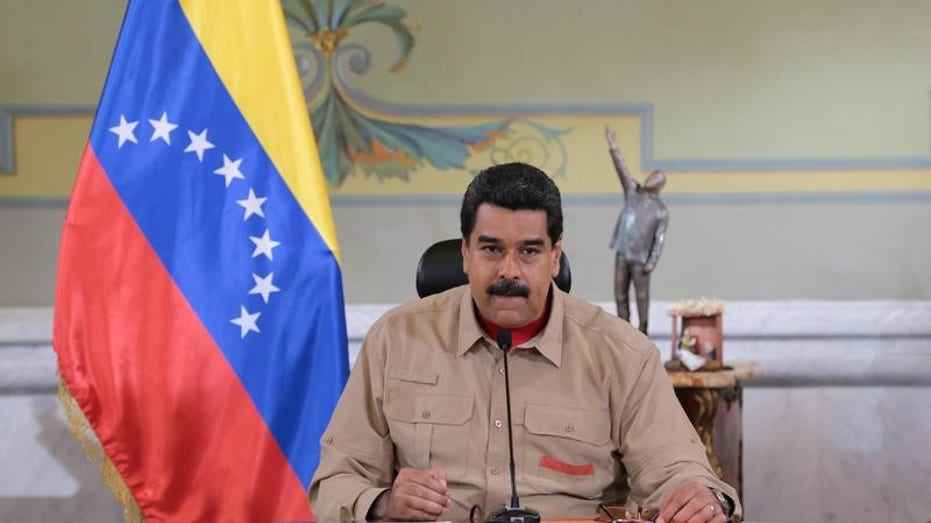
Venezuela’s then President Nicolás Maduro speaks during a meeting with ministers at Miraflores Palace in Caracas, Venezuela Dec. 17, 2016. (Miraflores Palace/Handout via Reuters / Reuters)
Going Full-On Socialist
The political landscape shifted dramatically with the election of Hugo Chavez in 1998. A year later, he launched “Plan Bolivar,” which aimed at poverty alleviation through infrastructure development and healthcare initiatives. However, this marked the beginning of a full-scale socialist agenda.
Crony Corner
In 2002, Chavez’s government dismissed top executives at PDVSA, along with 18,000 skilled workers, many of whom sought opportunities abroad. This led to a critical shortage of expertise in the oil sector. Appointments within PDVSA increasingly favored political allies over qualified professionals, further exacerbating the decline of the oil industry.
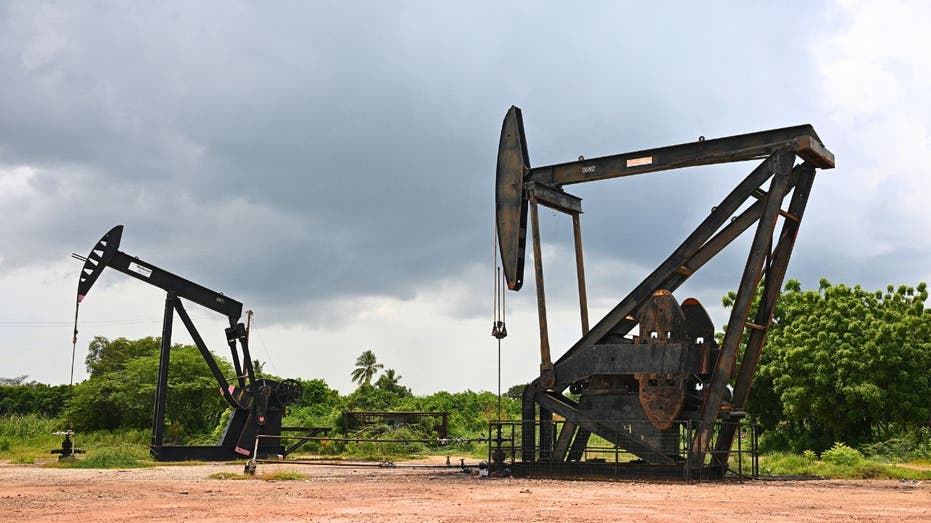
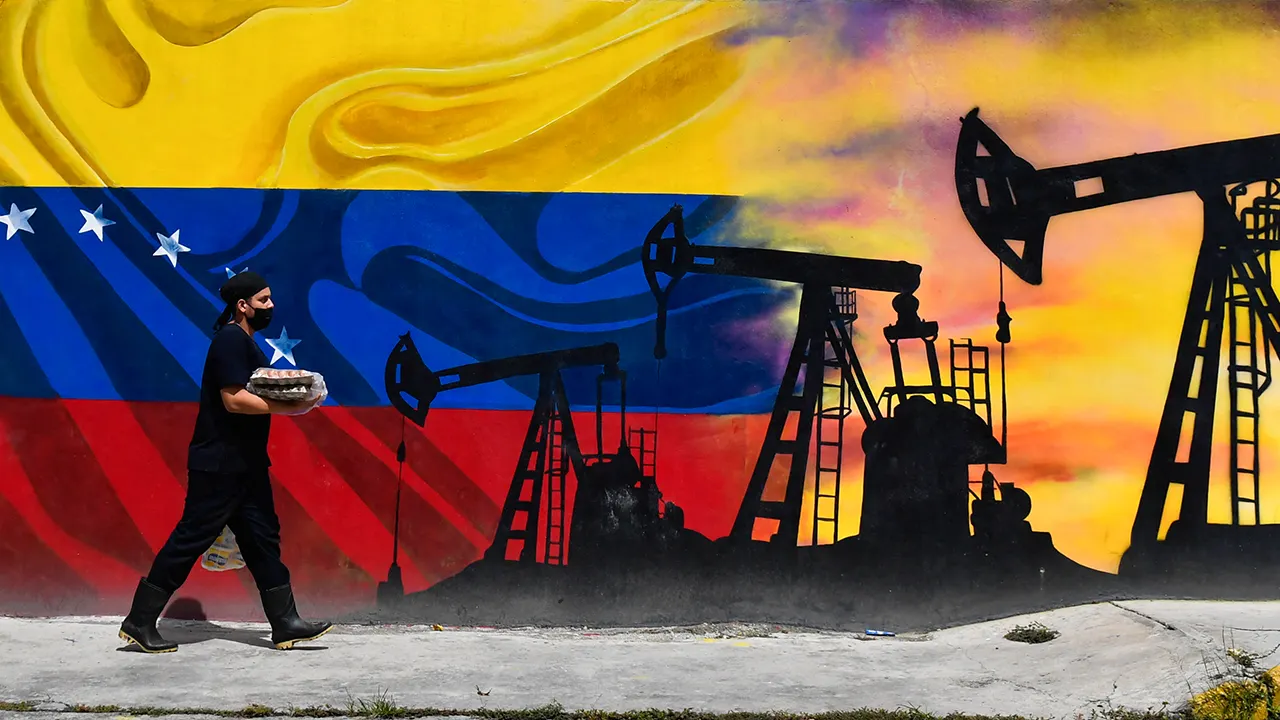
Oil pumps operate near Lake Maracaibo in Maracaibo, Zulia state, Venezuela, on July 12, 2024. Decades of mismanagement, underinvestment and sanctions have contributed to the decline of Venezuela’s once-dominant oil industry. (Oil pumps operate near Lake Maracaibo in Maracaibo, Zulia state, Venezuela, on July 12, 2024. Decades of mismanagement, underinvestment and sanctions have contributed to the decline of Venezuela’s once-dominant oil industry. / Getty Images)
The lack of skilled workers led to a rapid decline in PDVSA’s performance. “They didn’t run it like a business, and they did not reinvest in the company to keep it going,” explained Steven Blitz, chief global macro strategist at GlobalData TSLombard. Production plummeted from 3.7 million barrels per day in 1970 to just 1.1 million recently, according to Statbase.org.
Hyperinflation Crushes the Country
Nicolás Maduro assumed the presidency in 2013, exacerbating the crisis.
US OIL GIANTS MUM AFTER TRUMP SAYS THEY’LL SPEND BILLIONS IN VENEZUELA
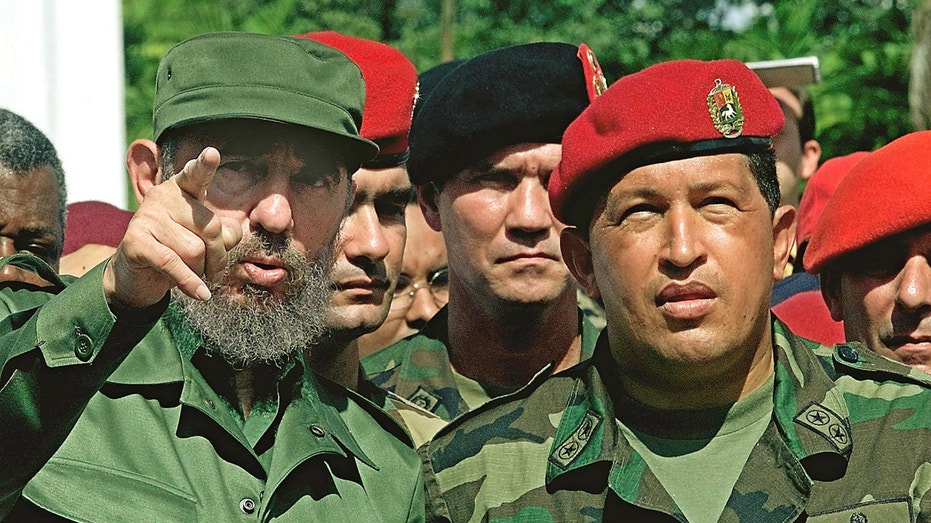
Former Cuban President Fidel Castro (L) talks with the then Venezuelan President Hugo Chavez (R) during their visit to the unknown soldier monument in Campo Carabobo, Valencia, Venezuela, on Oct. 29, 2000. (Adalberto Roque/AFP via Getty Images / Getty Images)
To appease the populace, the government provided various services, but this was financed through excessive money printing, leading to hyperinflation. This crisis began in 2016 and peaked at an astonishing 375,000% in 2019, according to Trading Economics data.
Moreover, the government’s takeover of the oil industry, initially perceived as a lucrative move, backfired as revenues dwindled. With no other significant sectors to support the economy, the country faced a dire situation. “They never developed the economy,” Wright stated.
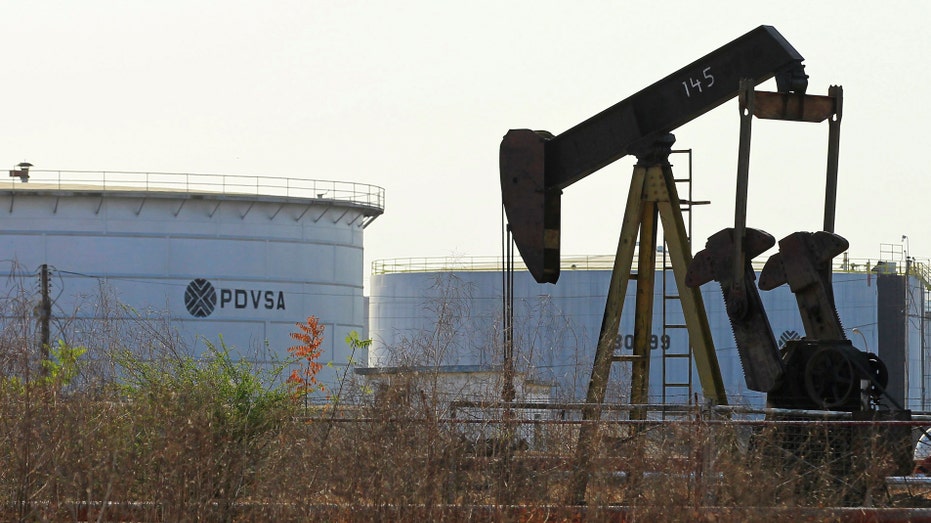
An oil pumpjack and a tank with the corporate logo of state oil company PDVSA are seen in an oil facility in Lagunillas, Venezuela Jan. 29, 2019. (Isaac Urrutia/Reuters / Reuters Photos)
In recent years, Venezuela has faced numerous sanctions from the U.S. aimed at crippling the regime’s financial capabilities. These sanctions have included bans on financing arrangements with the Venezuelan government.
During Maduro’s tenure (2013 to early 2026), the number of Venezuelans living abroad surged from 700,000 in 2015 to approximately 7.9 million last year, according to the International Organization for Migration. Many of those fleeing were likely the skilled workers essential for rebuilding the nation.
CLICK HERE TO GET FOX BUSINESS ON THE GO
“The people who ran Venezuela had a singular view,” Blitz remarked. “They thought the party would never end.” However, that party has concluded, and many are now hopeful for a new era following Maduro’s potential ouster.
Continental Resources chairman Harold Hamm discusses the U.S.’ interest in Venezuela’s vast oil reserves and more on ‘Kudlow.’
In the early 20th century, Venezuela was hailed as the leading economy in South America. The discovery of massive oil reserves in 1922 marked a turning point, positioning the country with the largest reserves globally, totaling 303 billion barrels. However, despite this wealth, Venezuela’s economy is now the poorest in South America. This raises a critical question: how did a nation rich in oil wealth descend into such dire economic straits?
The first significant misstep occurred in 1976 when the Venezuelan government nationalized all foreign oil companies, consolidating them under the state-owned Petróleos de Venezuela, S.A. (PDVSA). Surprisingly, the economy did not collapse immediately. “What kept it up was they were still producing oil,” noted Robert Wright, a visiting professor of history at the University of Austin, in an interview with FOX Business. “It takes a while even for a socialist to screw it up.”
AFTER MADURO, VENEZUELA FACES HARD CHOICES TO REBUILD ITS SHATTERED ECONOMY
Venezuela’s then President Nicolás Maduro speaks during a meeting with ministers at Miraflores Palace in Caracas, Venezuela Dec. 17, 2016. (Miraflores Palace/Handout via Reuters / Reuters)
Going Full-On Socialist
The political landscape shifted dramatically with the election of Hugo Chavez in 1998. A year later, he launched “Plan Bolivar,” which aimed at poverty alleviation through infrastructure development and healthcare initiatives. However, this marked the beginning of a full-scale socialist agenda.
Crony Corner
In 2002, Chavez’s government dismissed top executives at PDVSA, along with 18,000 skilled workers, many of whom sought opportunities abroad. This led to a critical shortage of expertise in the oil sector. Appointments within PDVSA increasingly favored political allies over qualified professionals, further exacerbating the decline of the oil industry.
Oil pumps operate near Lake Maracaibo in Maracaibo, Zulia state, Venezuela, on July 12, 2024. Decades of mismanagement, underinvestment and sanctions have contributed to the decline of Venezuela’s once-dominant oil industry. (Oil pumps operate near Lake Maracaibo in Maracaibo, Zulia state, Venezuela, on July 12, 2024. Decades of mismanagement, underinvestment and sanctions have contributed to the decline of Venezuela’s once-dominant oil industry. / Getty Images)
The lack of skilled workers led to a rapid decline in PDVSA’s performance. “They didn’t run it like a business, and they did not reinvest in the company to keep it going,” explained Steven Blitz, chief global macro strategist at GlobalData TSLombard. Production plummeted from 3.7 million barrels per day in 1970 to just 1.1 million recently, according to Statbase.org.
Hyperinflation Crushes the Country
Nicolás Maduro assumed the presidency in 2013, exacerbating the crisis.
US OIL GIANTS MUM AFTER TRUMP SAYS THEY’LL SPEND BILLIONS IN VENEZUELA
Former Cuban President Fidel Castro (L) talks with the then Venezuelan President Hugo Chavez (R) during their visit to the unknown soldier monument in Campo Carabobo, Valencia, Venezuela, on Oct. 29, 2000. (Adalberto Roque/AFP via Getty Images / Getty Images)
To appease the populace, the government provided various services, but this was financed through excessive money printing, leading to hyperinflation. This crisis began in 2016 and peaked at an astonishing 375,000% in 2019, according to Trading Economics data.
Moreover, the government’s takeover of the oil industry, initially perceived as a lucrative move, backfired as revenues dwindled. With no other significant sectors to support the economy, the country faced a dire situation. “They never developed the economy,” Wright stated.
An oil pumpjack and a tank with the corporate logo of state oil company PDVSA are seen in an oil facility in Lagunillas, Venezuela Jan. 29, 2019. (Isaac Urrutia/Reuters / Reuters Photos)
In recent years, Venezuela has faced numerous sanctions from the U.S. aimed at crippling the regime’s financial capabilities. These sanctions have included bans on financing arrangements with the Venezuelan government.
During Maduro’s tenure (2013 to early 2026), the number of Venezuelans living abroad surged from 700,000 in 2015 to approximately 7.9 million last year, according to the International Organization for Migration. Many of those fleeing were likely the skilled workers essential for rebuilding the nation.
CLICK HERE TO GET FOX BUSINESS ON THE GO
“The people who ran Venezuela had a singular view,” Blitz remarked. “They thought the party would never end.” However, that party has concluded, and many are now hopeful for a new era following Maduro’s potential ouster.