Popeyes Franchisee Sailormen Inc. Files for Bankruptcy Amidst $129 Million Debt Crisis
Dine Brands CEO John Peyton on the Applebee’s-IHOP combo restaurants.
A Popeyes Louisiana Kitchen franchisee, operating over 130 locations, has filed for bankruptcy in an effort to restructure its finances amid escalating debt. The franchisee, Sailormen Inc., based in Miami, filed for bankruptcy protection in the U.S. Bankruptcy Court for the Southern District of Florida, as confirmed by its legal counsel.
Represented by Cole Schotz, the company is seeking to renegotiate or resolve approximately $129 million owed to lenders, aiming to emerge as a more viable franchisee. The firm cited “various macroeconomic factors” as the primary reasons for its financial distress, which ultimately led to the bankruptcy filing.
According to court documents, these factors include the widespread impact of the COVID-19 pandemic on restaurant operations, shifts in consumer preferences, soaring inflation, rising borrowing rates, and a dwindling pool of qualified labor. These challenges have created a perfect storm for many in the restaurant industry.
RED LOBSTER IS BACK; CEO PLOTS FUTURE FOR SEAFOOD CHAIN
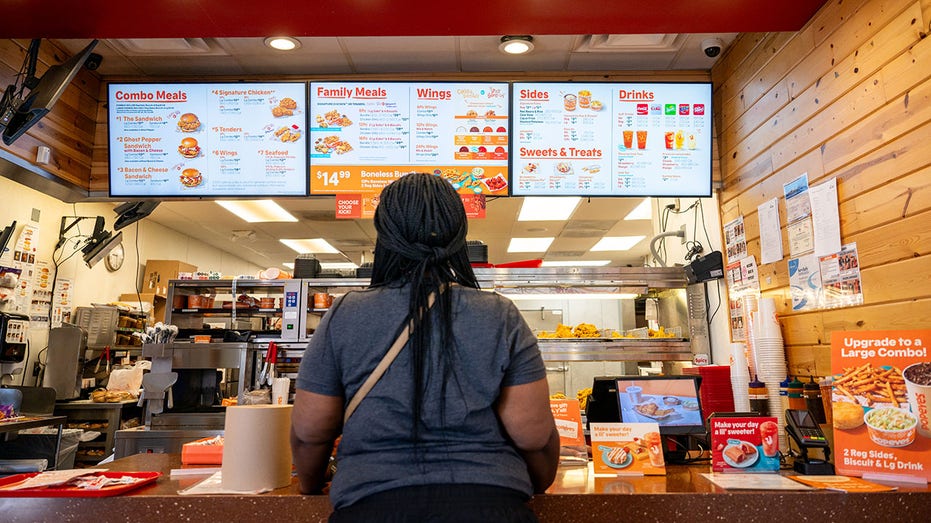
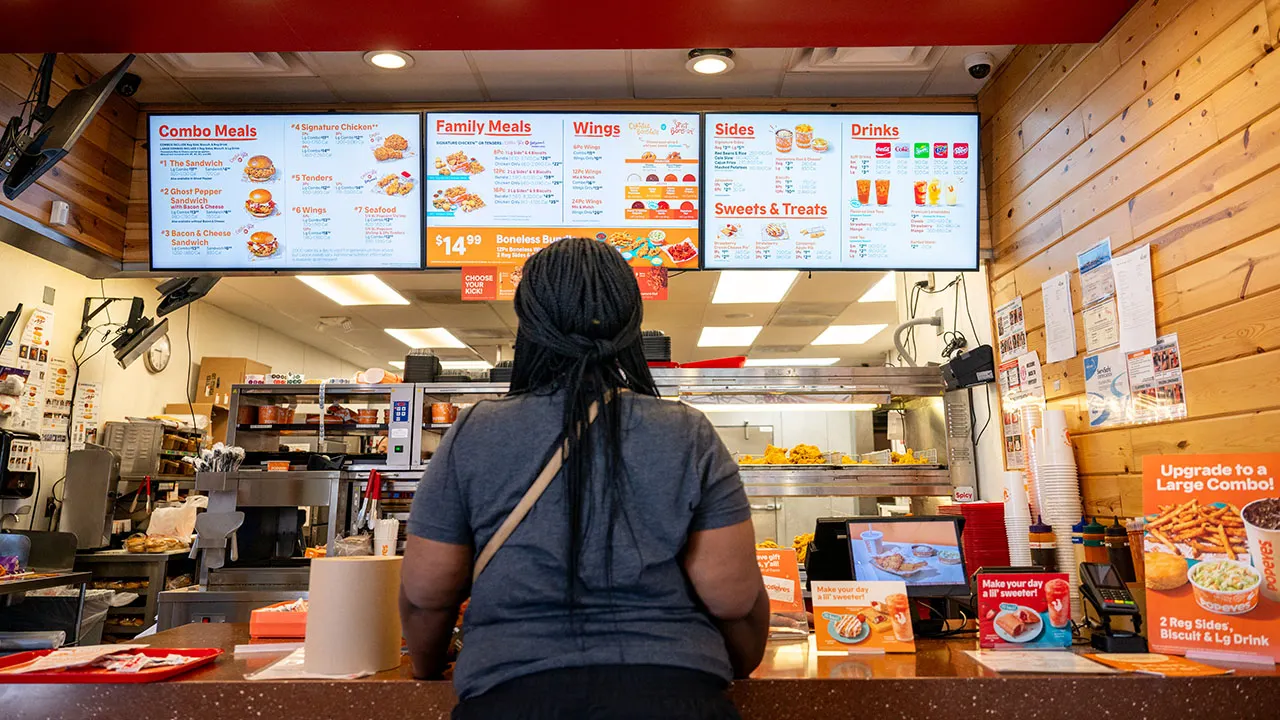
A customer orders food at a Popeyes restaurant in Austin, Texas. (Brandon Bell/Getty Images)
Popeyes Louisiana Kitchen Inc. is a subsidiary of Restaurant Brands International (RBI), which acquired the chain in 2017. However, most Popeyes locations are owned and operated by franchisees, making them particularly vulnerable to economic fluctuations.
FOX Business has reached out to both Cole Schotz and Restaurant Brands International for comments regarding this situation.
HOOTERS LOOKING AT POSSIBLE BANKRUPTCY FILING
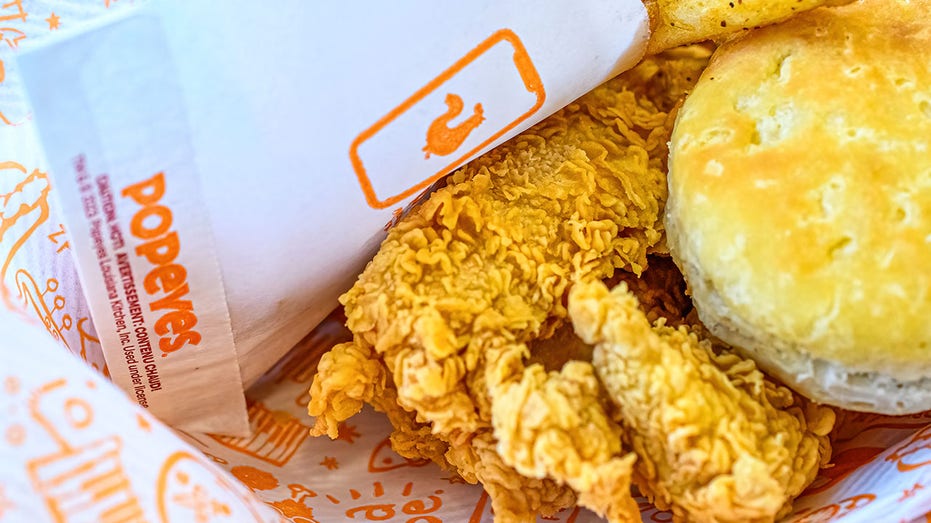
Popeyes Louisiana Kitchen Inc. is a subsidiary of Restaurant Brands International. (Roberto Machado Noa/LightRocket via Getty Images)
This bankruptcy filing is part of a larger trend, as numerous eateries have sought bankruptcy protection in recent years. Bankruptcy attorney Daniel Gielchinsky has predicted that a growing number of major restaurant chains will likely continue to file for bankruptcy as the industry grapples with the heavy debt incurred during the pandemic.
| Ticker | Security | Last | Change | Change % |
|---|---|---|---|---|
| QSR | RESTAURANT BRANDS INTERNATIONAL INC. | 68.33 | -1.20 | -1.73% |
“Restaurants that exist today may not exist in five years. They’ll be off the map,” Gielchinsky warned in a recent interview with FOX Business. He also noted that consumers will likely see many restaurants with a reduced footprint in the near future.
EXPECT MORE RESTAURANT BANKRUPTCIES IN 2025, EXPERT SAYS
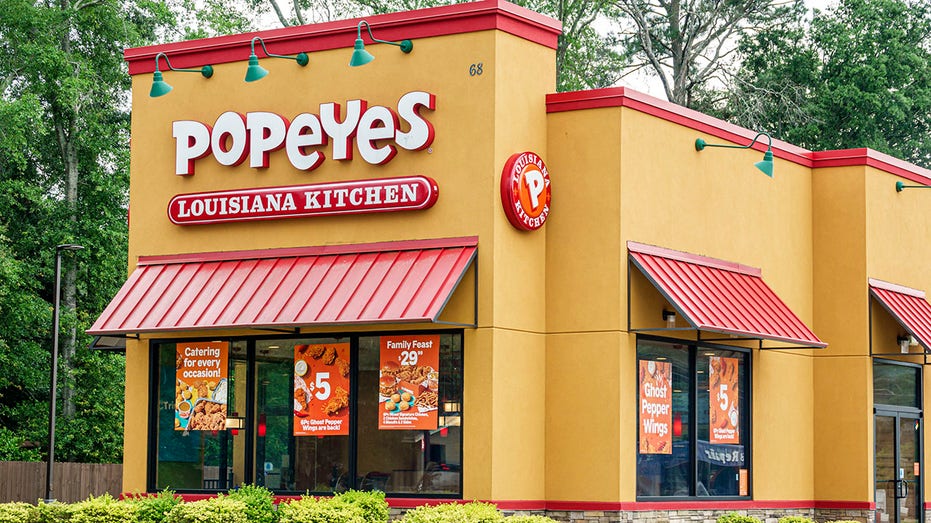
The majority of Popeyes locations are owned and operated by franchisees. (Jeffrey Greenberg/Universal Images Group via Getty Images)
According to Gielchinsky, the COVID-19 pandemic was a significant catalyst for the decline of many restaurants, as it led to a drastic drop in customer traffic. Operators faced the challenge of maintaining their businesses while covering essential costs like rent, insurance, and payroll, despite a lack of customers. To survive, many restaurants turned to government subsidies and loans to fund their operations, resulting in substantial debt that they now must repay.
Dine Brands CEO John Peyton on the Applebee’s-IHOP combo restaurants.
A Popeyes Louisiana Kitchen franchisee, operating over 130 locations, has filed for bankruptcy in an effort to restructure its finances amid escalating debt. The franchisee, Sailormen Inc., based in Miami, filed for bankruptcy protection in the U.S. Bankruptcy Court for the Southern District of Florida, as confirmed by its legal counsel.
Represented by Cole Schotz, the company is seeking to renegotiate or resolve approximately $129 million owed to lenders, aiming to emerge as a more viable franchisee. The firm cited “various macroeconomic factors” as the primary reasons for its financial distress, which ultimately led to the bankruptcy filing.
According to court documents, these factors include the widespread impact of the COVID-19 pandemic on restaurant operations, shifts in consumer preferences, soaring inflation, rising borrowing rates, and a dwindling pool of qualified labor. These challenges have created a perfect storm for many in the restaurant industry.
RED LOBSTER IS BACK; CEO PLOTS FUTURE FOR SEAFOOD CHAIN
A customer orders food at a Popeyes restaurant in Austin, Texas. (Brandon Bell/Getty Images)
Popeyes Louisiana Kitchen Inc. is a subsidiary of Restaurant Brands International (RBI), which acquired the chain in 2017. However, most Popeyes locations are owned and operated by franchisees, making them particularly vulnerable to economic fluctuations.
FOX Business has reached out to both Cole Schotz and Restaurant Brands International for comments regarding this situation.
HOOTERS LOOKING AT POSSIBLE BANKRUPTCY FILING
Popeyes Louisiana Kitchen Inc. is a subsidiary of Restaurant Brands International. (Roberto Machado Noa/LightRocket via Getty Images)
This bankruptcy filing is part of a larger trend, as numerous eateries have sought bankruptcy protection in recent years. Bankruptcy attorney Daniel Gielchinsky has predicted that a growing number of major restaurant chains will likely continue to file for bankruptcy as the industry grapples with the heavy debt incurred during the pandemic.
| Ticker | Security | Last | Change | Change % |
|---|---|---|---|---|
| QSR | RESTAURANT BRANDS INTERNATIONAL INC. | 68.33 | -1.20 | -1.73% |
“Restaurants that exist today may not exist in five years. They’ll be off the map,” Gielchinsky warned in a recent interview with FOX Business. He also noted that consumers will likely see many restaurants with a reduced footprint in the near future.
EXPECT MORE RESTAURANT BANKRUPTCIES IN 2025, EXPERT SAYS
The majority of Popeyes locations are owned and operated by franchisees. (Jeffrey Greenberg/Universal Images Group via Getty Images)
According to Gielchinsky, the COVID-19 pandemic was a significant catalyst for the decline of many restaurants, as it led to a drastic drop in customer traffic. Operators faced the challenge of maintaining their businesses while covering essential costs like rent, insurance, and payroll, despite a lack of customers. To survive, many restaurants turned to government subsidies and loans to fund their operations, resulting in substantial debt that they now must repay.