BHP Denied Appeal Permission in UK Ruling on 2015 Brazil Dam Disaster
BHP has faced a significant legal setback as the High Court in London denied its request to appeal a ruling that holds the company liable for the catastrophic collapse of a dam in southeastern Brazil in 2015. This lawsuit, which could potentially cost BHP tens of billions of pounds, stems from one of the worst environmental disasters in Brazilian history.
In November, the High Court determined that BHP was legally responsible for the failure of the Fundao dam, which was managed by Samarco, a joint venture between BHP and Vale. The ruling marked a pivotal moment in a case that has drawn attention not only for its scale but also for the severe consequences of the disaster.
Despite the High Court’s decision, BHP has indicated its intention to continue fighting the ruling. A spokesperson for the company stated, “We will take our appeal to the Court of Appeal. BHP will continue to robustly defend the remaining phases of this action in parallel.” The spokesperson emphasized that “Brazil is the most appropriate avenue to provide full and fair remediation to those impacted.”
The legal team representing the claimants has estimated that the lawsuit could be valued at up to 36 billion pounds (approximately $48.26 billion). They are also seeking nearly 200 million pounds in legal fees following their initial victory. The first phase of the case focused on establishing BHP’s liability, while a subsequent trial to determine the damages owed is set to commence in October, with a ruling expected by mid-2027.
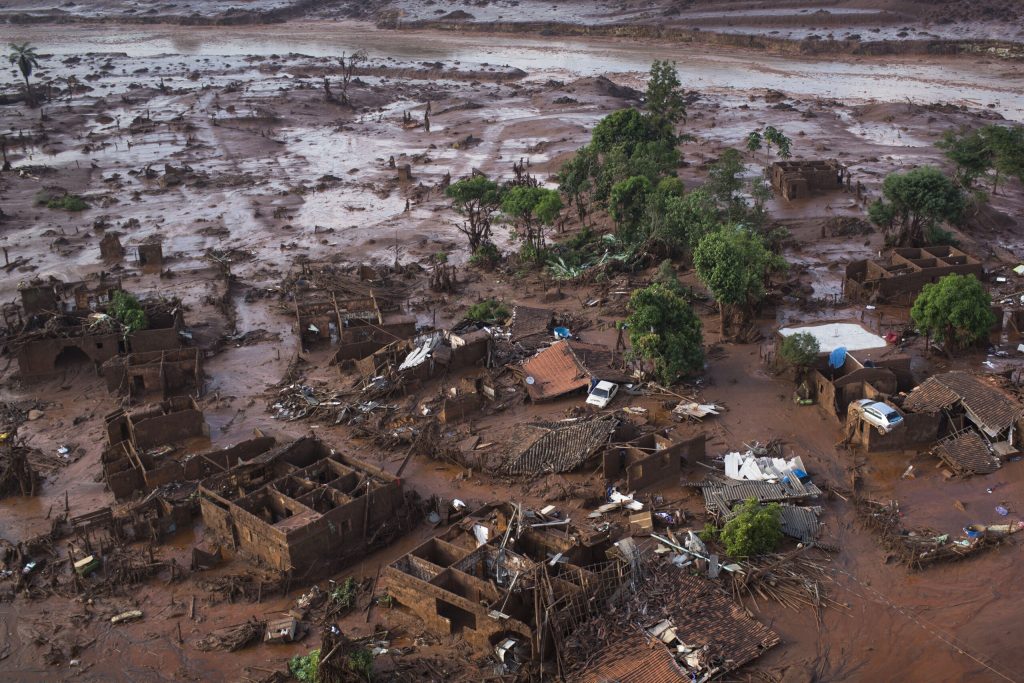
The ramifications of the Fundao dam collapse were devastating. Hundreds of thousands of Brazilians, along with numerous local governments and around 2,000 businesses, have filed lawsuits against BHP. The disaster unleashed a torrent of toxic sludge that resulted in the deaths of 19 individuals, left thousands homeless, and caused extensive environmental damage, including the flooding of forests and pollution of the Doce River.
Judge Finola O’Farrell, who presided over the case, ruled last year that BHP should not have continued to raise the height of the dam, a decision that ultimately contributed to its failure. This ruling underscores the serious implications of corporate responsibility in environmental management and the legal accountability that follows such disasters.
As the legal proceedings unfold, the focus remains on the impact of the disaster on affected communities and the ongoing quest for justice and remediation. The case not only highlights the complexities of corporate liability but also serves as a stark reminder of the environmental risks associated with industrial operations.
(Reporting by Sam Tobin; editing by William James)
Photograph: In this Nov. 6, 2015 photo, homes lay in ruins after two dams burst the previous day, flooding the small town of Bento Rodrigues in Minas Gerais state, Brazil. Searchers used small airplanes and a drone to look for missing people after dams broke inside an iron ore mine. (AP Photo/Felipe Dana)
Related:
BHP has faced a significant legal setback as the High Court in London denied its request to appeal a ruling that holds the company liable for the catastrophic collapse of a dam in southeastern Brazil in 2015. This lawsuit, which could potentially cost BHP tens of billions of pounds, stems from one of the worst environmental disasters in Brazilian history.
In November, the High Court determined that BHP was legally responsible for the failure of the Fundao dam, which was managed by Samarco, a joint venture between BHP and Vale. The ruling marked a pivotal moment in a case that has drawn attention not only for its scale but also for the severe consequences of the disaster.
Despite the High Court’s decision, BHP has indicated its intention to continue fighting the ruling. A spokesperson for the company stated, “We will take our appeal to the Court of Appeal. BHP will continue to robustly defend the remaining phases of this action in parallel.” The spokesperson emphasized that “Brazil is the most appropriate avenue to provide full and fair remediation to those impacted.”
The legal team representing the claimants has estimated that the lawsuit could be valued at up to 36 billion pounds (approximately $48.26 billion). They are also seeking nearly 200 million pounds in legal fees following their initial victory. The first phase of the case focused on establishing BHP’s liability, while a subsequent trial to determine the damages owed is set to commence in October, with a ruling expected by mid-2027.
The ramifications of the Fundao dam collapse were devastating. Hundreds of thousands of Brazilians, along with numerous local governments and around 2,000 businesses, have filed lawsuits against BHP. The disaster unleashed a torrent of toxic sludge that resulted in the deaths of 19 individuals, left thousands homeless, and caused extensive environmental damage, including the flooding of forests and pollution of the Doce River.
Judge Finola O’Farrell, who presided over the case, ruled last year that BHP should not have continued to raise the height of the dam, a decision that ultimately contributed to its failure. This ruling underscores the serious implications of corporate responsibility in environmental management and the legal accountability that follows such disasters.
As the legal proceedings unfold, the focus remains on the impact of the disaster on affected communities and the ongoing quest for justice and remediation. The case not only highlights the complexities of corporate liability but also serves as a stark reminder of the environmental risks associated with industrial operations.
(Reporting by Sam Tobin; editing by William James)
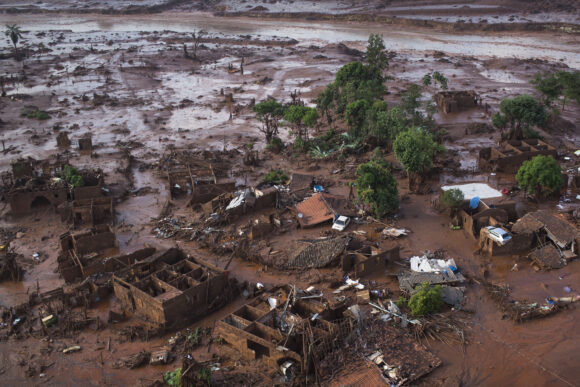
Photograph: In this Nov. 6, 2015 photo, homes lay in ruins after two dams burst the previous day, flooding the small town of Bento Rodrigues in Minas Gerais state, Brazil. Searchers used small airplanes and a drone to look for missing people after dams broke inside an iron ore mine. (AP Photo/Felipe Dana)
Related: