Texas Set to Become Premier Destination for Data Centers
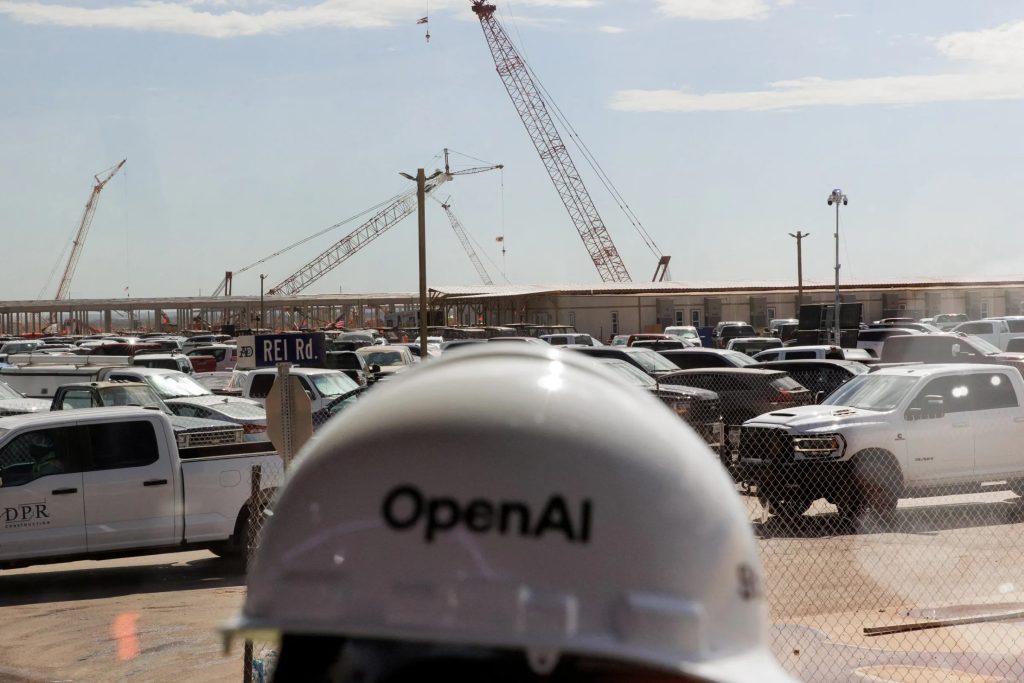
Texas is on track to become the largest hub for data centers in the United States within the next three years, fueled by the rapid growth of artificial intelligence. A recent report released on Tuesday highlights this trend, emphasizing the significant demand for power that data centers are generating across the state.
According to Bloom Energy, a California-based company specializing in onsite power generation for energy-intensive data centers, the electricity demand from these facilities in Texas is projected to surpass 40 gigawatts (GW) by 2028. This forecast is based on a comprehensive survey conducted last year among electric utilities and data center developers.
In 2025, Texas data centers had a peak power demand of approximately 8 GW, compared to the state’s overall peak energy demand of 94 GW, as reported by the Electric Reliability Council of Texas (ERCOT), which oversees the grid. To put this in perspective, one gigawatt can power around 700,000 homes for an entire year.
Currently, Texas is home to about 387 data centers, a number that is expected to grow significantly. The state’s appeal lies in its affordable natural gas, ample land, and a regulatory environment that is more accommodating to natural gas power compared to other states.
Bloom Energy’s report indicates that the expansion of data centers in Texas is set to outpace that of any other state, positioning Texas ahead of markets like Oregon and California, which have stricter regulations on new gas power generators.
Moreover, the size of data centers is increasing. By 2030, it is anticipated that one in five data centers will demand over 1 GW of energy. This figure is expected to rise to one in three by 2035, according to Bloom Energy.
On a national scale, the maximum energy demand from data centers was around 80 GW in 2025, with projections suggesting it could reach 150 GW by 2028. This rapid growth is creating challenges, as developers often find themselves at odds with utilities regarding power availability. Many Texas developers expect to connect to the grid about a year earlier than utilities anticipate having the necessary power ready.
This disconnect between power providers and data center developers is widening as demand continues to surge. The report warns, “Power can no longer be treated as a downstream consideration. Operators that continue to plan projects around traditional grid assumptions risk falling behind on both schedule and scale.”
To address these challenges, an increasing number of data centers are opting for onsite power generation solutions, such as fuel cells from Bloom Energy or natural gas power plants. By 2030, it is projected that about one-third of all data centers will incorporate onsite power generation.
“Grid power is not easily available at all, and prices have gone up,” stated Aman Joshi, chief commercial officer at Bloom Energy. “As you think about onsite generation, no matter where you are in the U.S., 100% of onsite generation is largely happening with natural gas, and Texas certainly has a lot of access [to gas].”
Interested in Trends?
Get automatic alerts for this topic.
Texas is on track to become the largest hub for data centers in the United States within the next three years, fueled by the rapid growth of artificial intelligence. A recent report released on Tuesday highlights this trend, emphasizing the significant demand for power that data centers are generating across the state.
According to Bloom Energy, a California-based company specializing in onsite power generation for energy-intensive data centers, the electricity demand from these facilities in Texas is projected to surpass 40 gigawatts (GW) by 2028. This forecast is based on a comprehensive survey conducted last year among electric utilities and data center developers.
In 2025, Texas data centers had a peak power demand of approximately 8 GW, compared to the state’s overall peak energy demand of 94 GW, as reported by the Electric Reliability Council of Texas (ERCOT), which oversees the grid. To put this in perspective, one gigawatt can power around 700,000 homes for an entire year.
Currently, Texas is home to about 387 data centers, a number that is expected to grow significantly. The state’s appeal lies in its affordable natural gas, ample land, and a regulatory environment that is more accommodating to natural gas power compared to other states.
Bloom Energy’s report indicates that the expansion of data centers in Texas is set to outpace that of any other state, positioning Texas ahead of markets like Oregon and California, which have stricter regulations on new gas power generators.
Moreover, the size of data centers is increasing. By 2030, it is anticipated that one in five data centers will demand over 1 GW of energy. This figure is expected to rise to one in three by 2035, according to Bloom Energy.
On a national scale, the maximum energy demand from data centers was around 80 GW in 2025, with projections suggesting it could reach 150 GW by 2028. This rapid growth is creating challenges, as developers often find themselves at odds with utilities regarding power availability. Many Texas developers expect to connect to the grid about a year earlier than utilities anticipate having the necessary power ready.
This disconnect between power providers and data center developers is widening as demand continues to surge. The report warns, “Power can no longer be treated as a downstream consideration. Operators that continue to plan projects around traditional grid assumptions risk falling behind on both schedule and scale.”
To address these challenges, an increasing number of data centers are opting for onsite power generation solutions, such as fuel cells from Bloom Energy or natural gas power plants. By 2030, it is projected that about one-third of all data centers will incorporate onsite power generation.
“Grid power is not easily available at all, and prices have gone up,” stated Aman Joshi, chief commercial officer at Bloom Energy. “As you think about onsite generation, no matter where you are in the U.S., 100% of onsite generation is largely happening with natural gas, and Texas certainly has a lot of access [to gas].”
Interested in Trends?
Get automatic alerts for this topic.