Alabama DOI Report Reveals Increase in Litigation, Driving Up Liability Costs and Insurance Rates
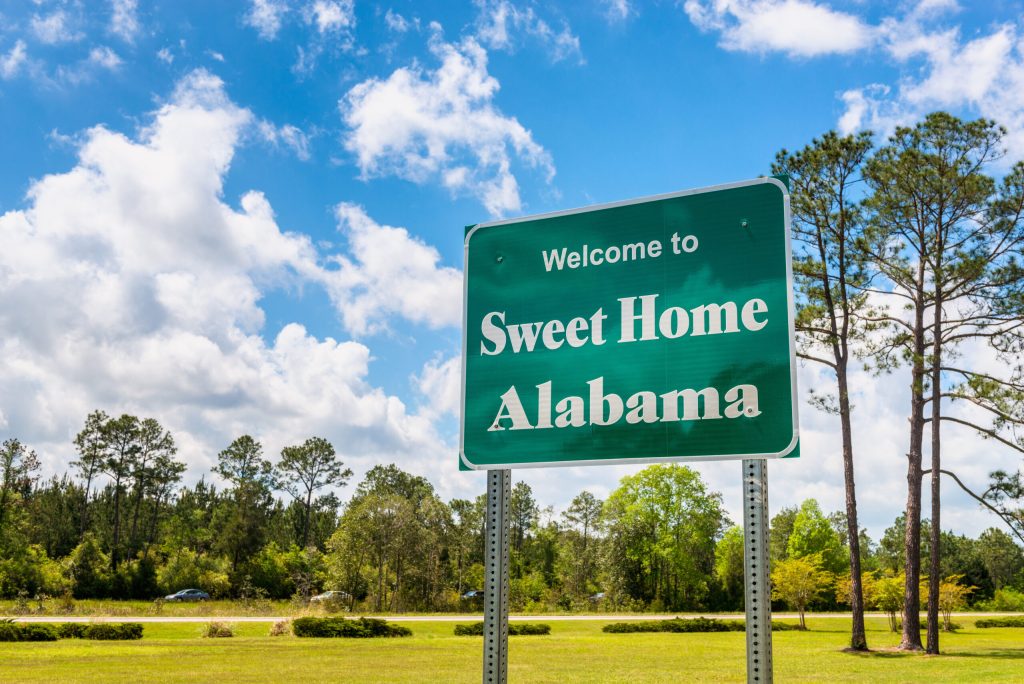
A recent report from the Alabama Department of Insurance reveals a concerning trend: claims litigation and substantial verdicts are increasing in the state. This surge is inflating loss costs for insurers, consequently exerting upward pressure on auto and commercial liability premiums.
According to the report, “The average paid loss per claim has risen significantly over the past five years, suggesting that increasing claim severity is likely influenced by legal involvement.”
The report, which draws from an August data call involving 167 insurers, indicates that while the number of claims across all liability lines (excluding homeowners) has decreased from 2020 to 2024, the proportion of litigated claims has risen sharply—from 10% to 13%. During this period, total payout amounts increased by 38%, and the average payout surged by 45%, significantly outpacing the U.S. inflation rate.
Harrison Proctor, director of Alabamians for Legal Reform, commented, “The fact that claims severity has increased three times the rate of inflation shows that something else is going on besides typical cost increases.”
Medical malpractice claims have seen the most dramatic rise in costs. Although the number of claims slightly declined from 2020 to 2024, the total payout for these claims skyrocketed by 140%, jumping from $9.6 million to $23.5 million. The average medical liability payment more than doubled, reaching $58,974.
This data was compiled and analyzed by Risk & Regulatory Consulting, a Connecticut-based actuarial and research firm. The 167 insurers included in the report accounted for 97% of the total paid losses during the data call period.
The increase in litigated claims highlights a long-standing dilemma faced by property-casualty insurers: determining when to contest lawsuits in court versus when it is more cost-effective to settle. One unnamed insurance representative noted, “We have a decreasing willingness to take litigation to trial as, in our perspective, any claim that goes to trial has a much greater potential for significant damages to be awarded.”
While the rise in litigation may not surprise those in the insurance industry, the report suggests that even states not labeled as “judicial hellholes” are feeling the effects of increased lawsuits.
In contrast, neighboring states like Florida and Georgia have recently enacted reforms aimed at reducing lawsuits and jury verdicts. However, Alabama has not pursued similar tort reform measures. A 2024 bill, Senate Bill 293, which aimed to regulate litigation financing and limit vicarious liability for employers, failed to advance in committee.
As the Alabama legislative session commenced last week, no tort-reform bill has been introduced yet. Proctor expressed hope that a measure will be proposed, potentially next year, especially with upcoming elections that may bring new leaders more willing to address this issue.
“Reports like this help educate people about the need,” Proctor stated.
Jennifer Bowen, public information officer for the Department of Insurance, clarified that the data call was not intended to inform legislation but rather to enhance understanding of liability insurance coverage in Alabama. The data call mirrored those conducted in other states, such as Georgia, and excluded homeowners’ liability claims to streamline the process for insurers.
Officials in Florida and Georgia have noted that their reforms appear to have positively impacted insurance premiums, with both states experiencing decreases in personal auto insurance rates over the past two years.
In Alabama, however, private passenger auto liability insurance rates, which remained stable from 2015 to 2022, have sharply increased from 2022 to 2024. The consulting group attributed this rise, at least in part, to the growth in legal claims.
While the report did not delve into the reasons behind the increase in litigated claims, legal reform advocates suggest multiple factors are contributing to this trend nationwide. These include the rise of advertising by plaintiffs’ lawyers and, in some instances, an uptick in staged auto accidents linked to certain law firms.
The number of advertisements for legal services doubled from 2017 to 2020, although it has seen a slight decline since then. However, spending on ads has consistently increased from 2017 through 2024, with legal interests spending over $2.5 billion on nearly 27 million ads in 2024—about six times the number of ads placed by pizza restaurants, according to the American Tort Reform Association. Notably, Alabama metro areas were not among those with the highest volume of legal ads.
The Alabama DOI report can be viewed here. DOI officials were unavailable for comment regarding the data.
Topics
Lawsuits
Trends
Pricing Trends
Liability
Alabama
A recent report from the Alabama Department of Insurance reveals a concerning trend: claims litigation and substantial verdicts are increasing in the state. This surge is inflating loss costs for insurers, consequently exerting upward pressure on auto and commercial liability premiums.
According to the report, “The average paid loss per claim has risen significantly over the past five years, suggesting that increasing claim severity is likely influenced by legal involvement.”
The report, which draws from an August data call involving 167 insurers, indicates that while the number of claims across all liability lines (excluding homeowners) has decreased from 2020 to 2024, the proportion of litigated claims has risen sharply—from 10% to 13%. During this period, total payout amounts increased by 38%, and the average payout surged by 45%, significantly outpacing the U.S. inflation rate.
Harrison Proctor, director of Alabamians for Legal Reform, commented, “The fact that claims severity has increased three times the rate of inflation shows that something else is going on besides typical cost increases.”
Medical malpractice claims have seen the most dramatic rise in costs. Although the number of claims slightly declined from 2020 to 2024, the total payout for these claims skyrocketed by 140%, jumping from $9.6 million to $23.5 million. The average medical liability payment more than doubled, reaching $58,974.
This data was compiled and analyzed by Risk & Regulatory Consulting, a Connecticut-based actuarial and research firm. The 167 insurers included in the report accounted for 97% of the total paid losses during the data call period.
The increase in litigated claims highlights a long-standing dilemma faced by property-casualty insurers: determining when to contest lawsuits in court versus when it is more cost-effective to settle. One unnamed insurance representative noted, “We have a decreasing willingness to take litigation to trial as, in our perspective, any claim that goes to trial has a much greater potential for significant damages to be awarded.”
While the rise in litigation may not surprise those in the insurance industry, the report suggests that even states not labeled as “judicial hellholes” are feeling the effects of increased lawsuits.
In contrast, neighboring states like Florida and Georgia have recently enacted reforms aimed at reducing lawsuits and jury verdicts. However, Alabama has not pursued similar tort reform measures. A 2024 bill, Senate Bill 293, which aimed to regulate litigation financing and limit vicarious liability for employers, failed to advance in committee.
As the Alabama legislative session commenced last week, no tort-reform bill has been introduced yet. Proctor expressed hope that a measure will be proposed, potentially next year, especially with upcoming elections that may bring new leaders more willing to address this issue.
“Reports like this help educate people about the need,” Proctor stated.
Jennifer Bowen, public information officer for the Department of Insurance, clarified that the data call was not intended to inform legislation but rather to enhance understanding of liability insurance coverage in Alabama. The data call mirrored those conducted in other states, such as Georgia, and excluded homeowners’ liability claims to streamline the process for insurers.
Officials in Florida and Georgia have noted that their reforms appear to have positively impacted insurance premiums, with both states experiencing decreases in personal auto insurance rates over the past two years.
In Alabama, however, private passenger auto liability insurance rates, which remained stable from 2015 to 2022, have sharply increased from 2022 to 2024. The consulting group attributed this rise, at least in part, to the growth in legal claims.
While the report did not delve into the reasons behind the increase in litigated claims, legal reform advocates suggest multiple factors are contributing to this trend nationwide. These include the rise of advertising by plaintiffs’ lawyers and, in some instances, an uptick in staged auto accidents linked to certain law firms.
The number of advertisements for legal services doubled from 2017 to 2020, although it has seen a slight decline since then. However, spending on ads has consistently increased from 2017 through 2024, with legal interests spending over $2.5 billion on nearly 27 million ads in 2024—about six times the number of ads placed by pizza restaurants, according to the American Tort Reform Association. Notably, Alabama metro areas were not among those with the highest volume of legal ads.
The Alabama DOI report can be viewed here. DOI officials were unavailable for comment regarding the data.
Topics
Lawsuits
Trends
Pricing Trends
Liability
Alabama