Experts Weigh In on the Cancer Connection of Suspected J&J Talc Products
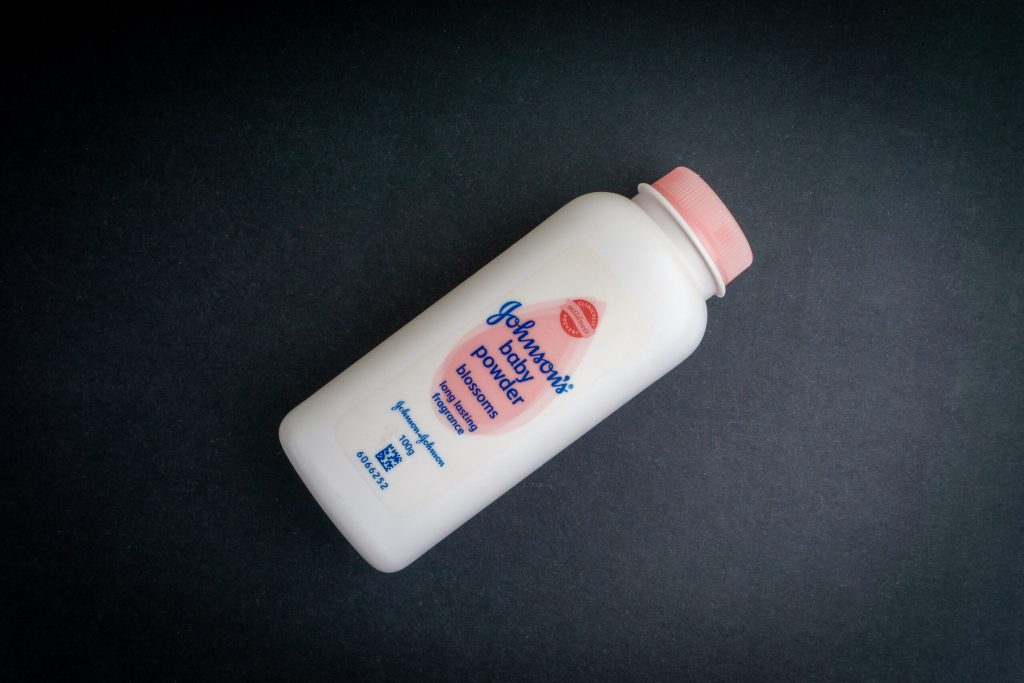
In a significant development for thousands of women suing Johnson & Johnson (J&J), a court-appointed special master has recommended that they be allowed to present expert testimony at trial regarding claims that the company’s baby powder and other talc products caused ovarian cancer. This recommendation comes from retired U.S. District Judge Freda Wolfson amid ongoing litigation that encompasses over 67,500 lawsuits in federal court in New Jersey.
This ruling paves the way for the first trial in federal court, which could occur later this year. Product liability lawsuits, such as those against J&J, often hinge on expert testimony to establish a causal link between the product and the alleged harm. The admissibility of such testimony can be a pivotal moment in these cases.
U.S. District Judge Michael Shipp, who is overseeing the litigation, enlisted Wolfson to evaluate which expert testimonies should be permitted at trial, based on their adherence to scientific standards outlined in federal law. Wolfson’s ruling serves as a recommendation to Shipp, who will consider objections from both parties before making a final decision.
A crucial aspect of Wolfson’s 658-page decision was her determination that the plaintiffs’ experts should be allowed to testify about a causal link between the use of J&J talc products and cancer, a claim that the company disputes. Wolfson stated, “I find, by a preponderance of the evidence, that the Plaintiffs’ experts have applied reliable methodologies to arrive at their opinions that the pre- and post-2020 epidemiologic studies, taken as a whole, demonstrate a positive, statistically significant association between genital talc powder use and ovarian cancer.”
However, Wolfson also permitted testimony from experts proposed by J&J to counter the plaintiffs’ claims regarding the cancer risk associated with talc. She clarified that her role was not to assess the conclusions of the experts but to determine if their methodologies were reliable enough for jury consideration.
Wolfson agreed with J&J that expert testimony linking heavy metals and fragrance chemicals in the company’s products to cancer should be excluded, along with a theory suggesting that talc could migrate to the ovaries if inhaled. She has deferred ruling on some requests to exclude testimony until hearings later this month and in early February.
In response, J&J Worldwide Vice President of Litigation Erik Haas criticized Wolfson’s ruling as erroneous, stating that the company would appeal to Shipp. Haas emphasized that judges have a “gatekeeping duty” to ensure the reliability of plaintiffs’ expert opinions.
Chris Tisi, a lawyer representing the plaintiffs, expressed optimism, stating that Wolfson’s report indicates a strong basis for the plaintiffs’ case, asserting that Johnson’s Baby Powder can cause ovarian cancer. He noted, “We are grateful that, after all of J&J’s delays, these women and their families will finally have their day in court.”
Following this news, shares of J&J fell by 0.4% in after-hours trading. The company has been contesting claims regarding its talc products for years, maintaining that its products are safe and do not cause cancer. Notably, J&J ceased the sale of talc-based baby powder in the U.S. in 2020, opting for a cornstarch alternative.
Judge Wanted Scientific Evidence Reevaluated
This marks the second occasion Wolfson has reviewed the scientific evidence in this case, having overseen the multidistrict litigation from its inception in 2016 until her retirement in 2023, when the case was reassigned to Shipp. In 2020, she had previously sided with the plaintiffs, allowing their experts to testify about the potential link between talc and cancer due to asbestos contamination, which J&J denies.
In 2024, Shipp requested a reevaluation of the scientific evidence, citing recent changes to federal rules governing expert testimony and the emergence of new scientific findings. J&J’s attempts to resolve the litigation through bankruptcy have been rejected multiple times by federal courts, most recently in April 2025, which had previously stalled many talc product cases.
Before these bankruptcy attempts, J&J had a mixed record in state courts, with some trials resulting in verdicts as high as $4.69 billion awarded to 22 women claiming that baby powder caused their ovarian cancer. While some verdicts have been reduced on appeal, others have been won outright by J&J.
Additionally, J&J faces lawsuits alleging its talc products caused mesothelioma, a rare and deadly cancer. While the company has settled some of these claims, it has not reached a nationwide settlement, leading many mesothelioma lawsuits to proceed to trial in state courts recently. In the past year, J&J has faced significant verdicts in mesothelioma cases, including a $1.5 billion judgment in Baltimore in December.
In a significant development for thousands of women suing Johnson & Johnson (J&J), a court-appointed special master has recommended that they be allowed to present expert testimony at trial regarding claims that the company’s baby powder and other talc products caused ovarian cancer. This recommendation comes from retired U.S. District Judge Freda Wolfson amid ongoing litigation that encompasses over 67,500 lawsuits in federal court in New Jersey.
This ruling paves the way for the first trial in federal court, which could occur later this year. Product liability lawsuits, such as those against J&J, often hinge on expert testimony to establish a causal link between the product and the alleged harm. The admissibility of such testimony can be a pivotal moment in these cases.
U.S. District Judge Michael Shipp, who is overseeing the litigation, enlisted Wolfson to evaluate which expert testimonies should be permitted at trial, based on their adherence to scientific standards outlined in federal law. Wolfson’s ruling serves as a recommendation to Shipp, who will consider objections from both parties before making a final decision.
A crucial aspect of Wolfson’s 658-page decision was her determination that the plaintiffs’ experts should be allowed to testify about a causal link between the use of J&J talc products and cancer, a claim that the company disputes. Wolfson stated, “I find, by a preponderance of the evidence, that the Plaintiffs’ experts have applied reliable methodologies to arrive at their opinions that the pre- and post-2020 epidemiologic studies, taken as a whole, demonstrate a positive, statistically significant association between genital talc powder use and ovarian cancer.”
However, Wolfson also permitted testimony from experts proposed by J&J to counter the plaintiffs’ claims regarding the cancer risk associated with talc. She clarified that her role was not to assess the conclusions of the experts but to determine if their methodologies were reliable enough for jury consideration.
Wolfson agreed with J&J that expert testimony linking heavy metals and fragrance chemicals in the company’s products to cancer should be excluded, along with a theory suggesting that talc could migrate to the ovaries if inhaled. She has deferred ruling on some requests to exclude testimony until hearings later this month and in early February.
In response, J&J Worldwide Vice President of Litigation Erik Haas criticized Wolfson’s ruling as erroneous, stating that the company would appeal to Shipp. Haas emphasized that judges have a “gatekeeping duty” to ensure the reliability of plaintiffs’ expert opinions.
Chris Tisi, a lawyer representing the plaintiffs, expressed optimism, stating that Wolfson’s report indicates a strong basis for the plaintiffs’ case, asserting that Johnson’s Baby Powder can cause ovarian cancer. He noted, “We are grateful that, after all of J&J’s delays, these women and their families will finally have their day in court.”
Following this news, shares of J&J fell by 0.4% in after-hours trading. The company has been contesting claims regarding its talc products for years, maintaining that its products are safe and do not cause cancer. Notably, J&J ceased the sale of talc-based baby powder in the U.S. in 2020, opting for a cornstarch alternative.
Judge Wanted Scientific Evidence Reevaluated
This marks the second occasion Wolfson has reviewed the scientific evidence in this case, having overseen the multidistrict litigation from its inception in 2016 until her retirement in 2023, when the case was reassigned to Shipp. In 2020, she had previously sided with the plaintiffs, allowing their experts to testify about the potential link between talc and cancer due to asbestos contamination, which J&J denies.
In 2024, Shipp requested a reevaluation of the scientific evidence, citing recent changes to federal rules governing expert testimony and the emergence of new scientific findings. J&J’s attempts to resolve the litigation through bankruptcy have been rejected multiple times by federal courts, most recently in April 2025, which had previously stalled many talc product cases.
Before these bankruptcy attempts, J&J had a mixed record in state courts, with some trials resulting in verdicts as high as $4.69 billion awarded to 22 women claiming that baby powder caused their ovarian cancer. While some verdicts have been reduced on appeal, others have been won outright by J&J.
Additionally, J&J faces lawsuits alleging its talc products caused mesothelioma, a rare and deadly cancer. While the company has settled some of these claims, it has not reached a nationwide settlement, leading many mesothelioma lawsuits to proceed to trial in state courts recently. In the past year, J&J has faced significant verdicts in mesothelioma cases, including a $1.5 billion judgment in Baltimore in December.