TEPCO Resumes Nuclear Reactor Operations in Japan After Over a Decade Since Fukushima Disaster
Tokyo Electric Power Co. (TEPCO) Wednesday restarted a reactor at the Kashiwazaki-Kariwa nuclear power plant after completing necessary inspections. This marks the first such action since the Fukushima disaster in 2011.
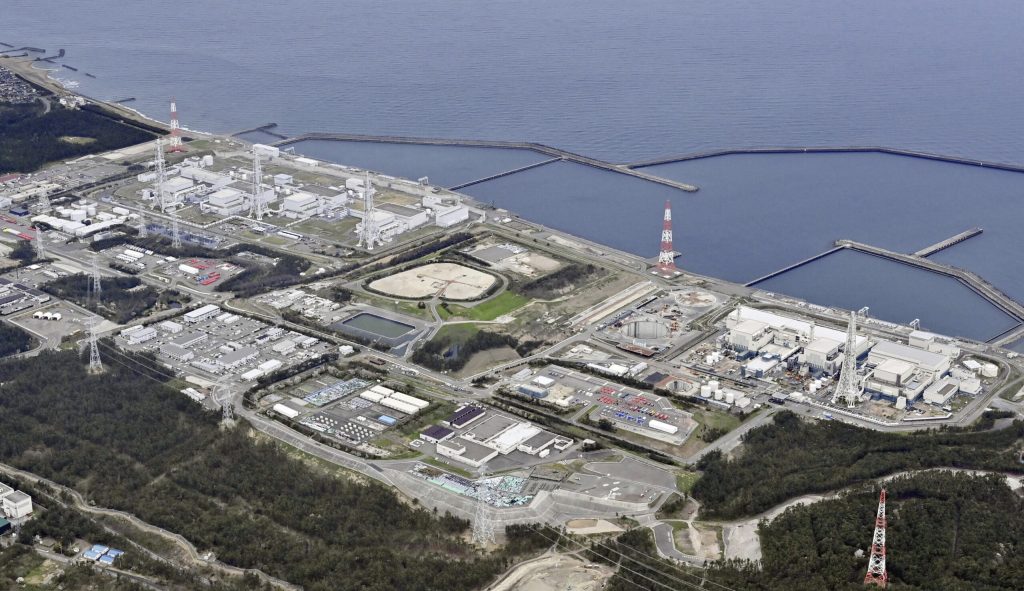
TEPCO brought online the 1.36 gigawatt (GW) reactor No. 6, which is one of seven reactors at Kashiwazaki-Kariwa, the largest nuclear power station in the world, capable of generating 8.2 GW of electricity at full capacity.
The restart process faced delays from January 20 due to an investigation into an alarm malfunction. However, by early Wednesday, TEPCO confirmed that the equipment was functioning normally.
“The restart is a major turning point,” stated Filippo Pedretti, a nuclear and thermal power analyst with Japan NRG in Tokyo. He emphasized that this development signals the end of the post-Fukushima nuclear stalemate and reaffirms the significance of nuclear energy for a stable power supply. “If even TEPCO, the utility involved in the Fukushima Daiichi disaster, can restart its most important plant, other facilities can follow,” he added.
Reactor No. 6 is anticipated to commence commercial operations by the end of February, which will enhance the power supply in the Tokyo area, Japan’s most densely populated region. Meanwhile, Reactor No. 7 is expected to be operational around 2030, with some other reactors potentially facing decommissioning.
The revival of Kashiwazaki-Kariwa increases the total number of reactors in Japan that have been restarted to 15, out of the 33 reactors that remain operable. This follows the shutdown of Japan’s entire fleet of 54 reactors after the Fukushima Daiichi reactor meltdown in 2011.
Prime Minister Sanae Takaichi is advocating for the construction of new reactors, particularly new-generation and small modular reactors (SMRs). The government has recently introduced a public funding scheme aimed at accelerating the nuclear power comeback.
In light of setbacks in its offshore wind initiatives and inflationary pressures from fossil fuel imports, Japan is refocusing on nuclear energy to enhance energy security and reduce reliance on gas and coal.
Commodity analysts at Kpler project that Japan’s liquefied natural gas imports, among the highest globally alongside China, will decrease by 4 million metric tons in 2026, dropping to 62 million tons. This reduction is attributed to increased nuclear power availability, particularly if Reactor No. 6 comes online early this year.
“The importance of restarting Reactor No. 6 is growing in terms of managing electricity supply and demand, electricity tariffs, and securing decarbonized power sources,” remarked Japan’s Chief Cabinet Secretary Minoru Kihara on Wednesday.
Test for the Industry
The restart of Kashiwazaki-Kariwa is a significant test for the entire Japanese nuclear power sector, as six reactors operated by other utilities, including Chubu Electric Power Co., await regulatory decisions on their potential restarts.
These developments are particularly noteworthy as Japan seeks to enhance cooperation with the U.S., its closest ally, regarding new-generation nuclear reactors and SMRs, amidst a global atomic industry largely dominated by China and Russia.
This month, Japan’s Nuclear Regulation Authority (NRA) announced it would require Chubu Electric to submit a detailed report concerning falsified seismic data, pausing the review of the utility’s application to restart Hamaoka, its only atomic plant. Public support for increased nuclear energy usage remains divided.
“While other reactors are unlikely to be halted because of this issue, the NRA may increase scrutiny of all utilities,” Pedretti noted. “Confidence in nuclear operators is paramount.”
(Reporting by Katya Golubkova; additional reporting by Yuka Obayashi and Kaori Kaneko; editing by Jamie Freed, Muralikumar Anantharaman and Thomas Derpinghaus)
Photograph: The Kashiwazaki-Kariwa plant in Kashiwazaki, Niigata prefecture, northern Japan, on April 2021. (Kyodo News via AP, File)
Tokyo Electric Power Co. (TEPCO) Wednesday restarted a reactor at the Kashiwazaki-Kariwa nuclear power plant after completing necessary inspections. This marks the first such action since the Fukushima disaster in 2011.
TEPCO brought online the 1.36 gigawatt (GW) reactor No. 6, which is one of seven reactors at Kashiwazaki-Kariwa, the largest nuclear power station in the world, capable of generating 8.2 GW of electricity at full capacity.
The restart process faced delays from January 20 due to an investigation into an alarm malfunction. However, by early Wednesday, TEPCO confirmed that the equipment was functioning normally.
“The restart is a major turning point,” stated Filippo Pedretti, a nuclear and thermal power analyst with Japan NRG in Tokyo. He emphasized that this development signals the end of the post-Fukushima nuclear stalemate and reaffirms the significance of nuclear energy for a stable power supply. “If even TEPCO, the utility involved in the Fukushima Daiichi disaster, can restart its most important plant, other facilities can follow,” he added.
Reactor No. 6 is anticipated to commence commercial operations by the end of February, which will enhance the power supply in the Tokyo area, Japan’s most densely populated region. Meanwhile, Reactor No. 7 is expected to be operational around 2030, with some other reactors potentially facing decommissioning.
The revival of Kashiwazaki-Kariwa increases the total number of reactors in Japan that have been restarted to 15, out of the 33 reactors that remain operable. This follows the shutdown of Japan’s entire fleet of 54 reactors after the Fukushima Daiichi reactor meltdown in 2011.
Prime Minister Sanae Takaichi is advocating for the construction of new reactors, particularly new-generation and small modular reactors (SMRs). The government has recently introduced a public funding scheme aimed at accelerating the nuclear power comeback.
In light of setbacks in its offshore wind initiatives and inflationary pressures from fossil fuel imports, Japan is refocusing on nuclear energy to enhance energy security and reduce reliance on gas and coal.
Commodity analysts at Kpler project that Japan’s liquefied natural gas imports, among the highest globally alongside China, will decrease by 4 million metric tons in 2026, dropping to 62 million tons. This reduction is attributed to increased nuclear power availability, particularly if Reactor No. 6 comes online early this year.
“The importance of restarting Reactor No. 6 is growing in terms of managing electricity supply and demand, electricity tariffs, and securing decarbonized power sources,” remarked Japan’s Chief Cabinet Secretary Minoru Kihara on Wednesday.
Test for the Industry
The restart of Kashiwazaki-Kariwa is a significant test for the entire Japanese nuclear power sector, as six reactors operated by other utilities, including Chubu Electric Power Co., await regulatory decisions on their potential restarts.
These developments are particularly noteworthy as Japan seeks to enhance cooperation with the U.S., its closest ally, regarding new-generation nuclear reactors and SMRs, amidst a global atomic industry largely dominated by China and Russia.
This month, Japan’s Nuclear Regulation Authority (NRA) announced it would require Chubu Electric to submit a detailed report concerning falsified seismic data, pausing the review of the utility’s application to restart Hamaoka, its only atomic plant. Public support for increased nuclear energy usage remains divided.
“While other reactors are unlikely to be halted because of this issue, the NRA may increase scrutiny of all utilities,” Pedretti noted. “Confidence in nuclear operators is paramount.”
(Reporting by Katya Golubkova; additional reporting by Yuka Obayashi and Kaori Kaneko; editing by Jamie Freed, Muralikumar Anantharaman and Thomas Derpinghaus)
Photograph: The Kashiwazaki-Kariwa plant in Kashiwazaki, Niigata prefecture, northern Japan, on April 2021. (Kyodo News via AP, File)