Trump Limits Wall Street Home Purchases Amid Investor Concerns Over Rising Prices
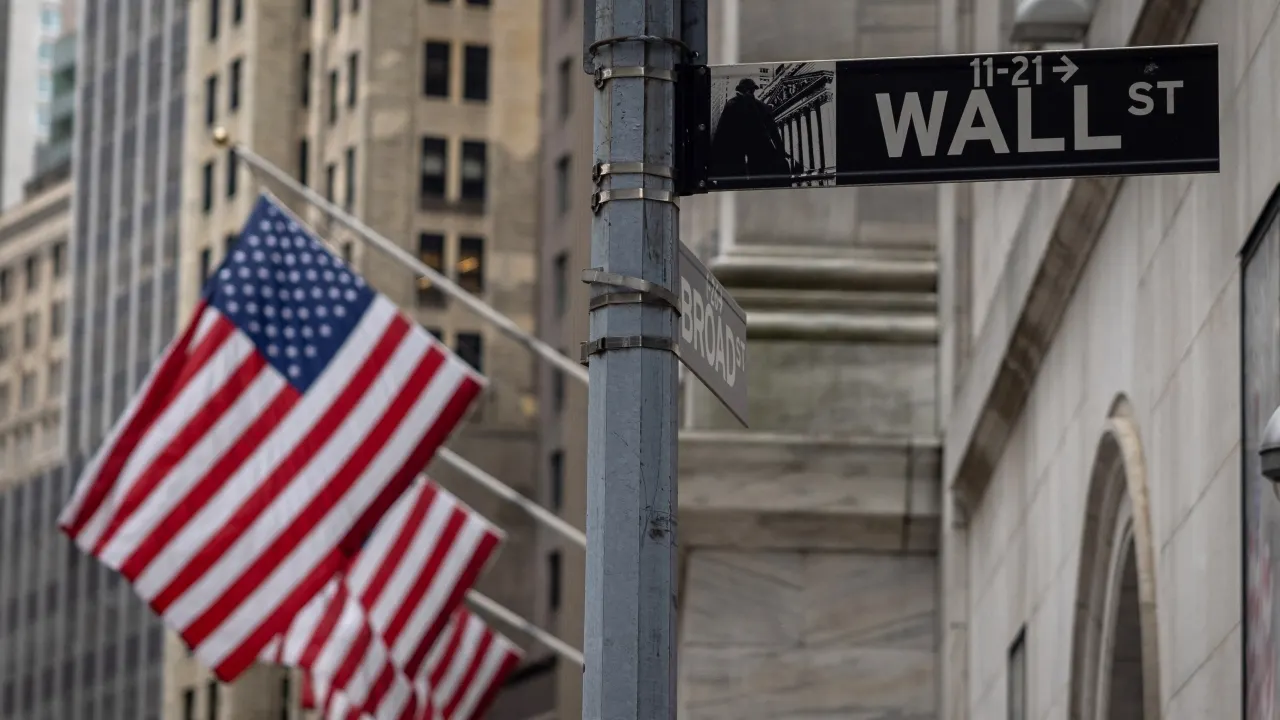
First Trust Advisors L.P. chief economist Brian Wesbury weighs in on whether inflation has been defeated and the Trump administration’s plan for 401(k) home down payments on Varney & Co.
President Donald Trump’s recent initiative to limit Wall Street investors from purchasing single-family homes aims to enhance affordability. However, many investors caution that this move could inadvertently escalate housing prices.
On Tuesday, Trump signed an executive order directing federal regulators to facilitate home sales to individuals while preventing federal programs from aiding single-family home purchases by Wall Street investors. The order also calls for antitrust reviews of institutional home acquisitions and urges Congress to formalize these changes into law.
This executive action is part of the White House’s broader strategy to tackle the affordability crisis in housing. However, investors warn that such restrictions may inadvertently increase demand without addressing supply issues, leading to further price hikes.
“The affordability issue in housing isn’t about demand; there’s ample demand. It’s fundamentally a supply issue,” stated David Wagner, head of equities and portfolio manager at Aptus Capital Advisors. “This will only fuel more demand, which will drive asset prices higher.”
TRUMP MOVES TO BLOCK WALL STREET FROM BUYING SINGLE-FAMILY HOMES IN SWEEPING NEW EXECUTIVE ORDER
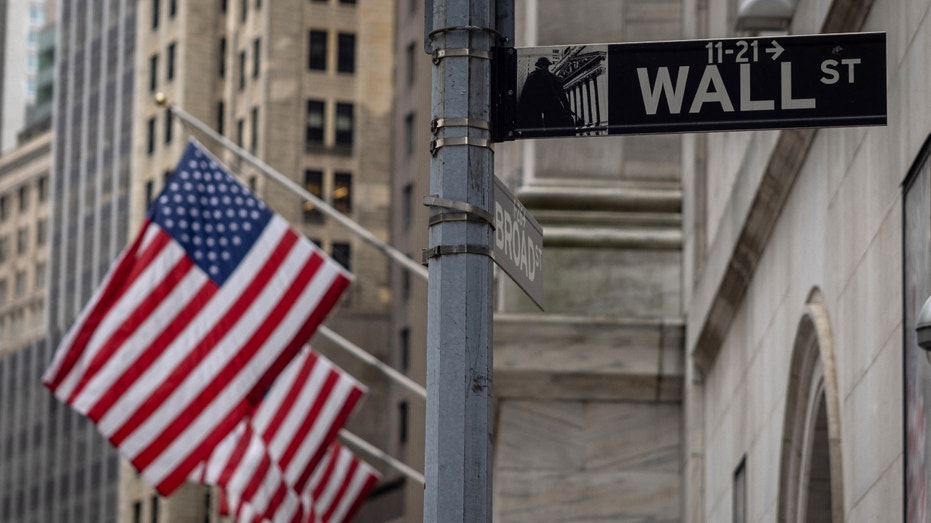
Trump’s executive order seeks to restrict the ability of Wall Street firms to buy single-family houses. (Yuki Iwamura/AFP via Getty Images)
The Trump administration has also aimed to lower construction costs, yet the federal government has limited tools to enhance housing supply, as most laws and regulations are managed at local levels.
“Policies that increase demand without boosting supply will inevitably lead to higher prices,” explained Michael Rosen, chief investment officer at Angeles Investments. “The most effective solution would be to simplify the process for constructing new housing units, although this is challenging at the federal level due to local regulations.”
TRUMP ANNOUNCES PLANS TO BAN INSTITUTIONAL INVESTORS FROM BUYING SINGLE-FAMILY HOMES
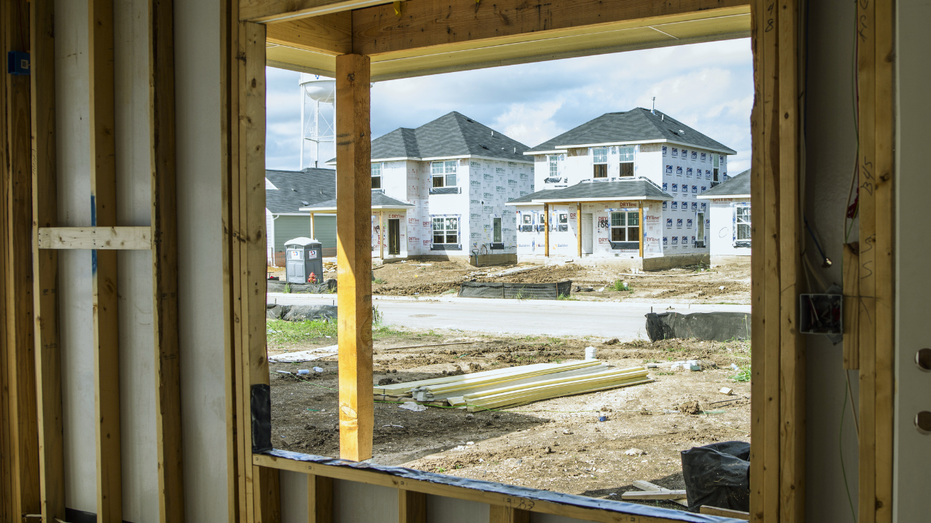
Corporate investment can help drive new home construction that boosts supply and eases price pressures. (Matthew Busch/Bloomberg/Getty Images)
Since 2016, housing prices in the U.S. have surged by approximately 75%, significantly outpacing the overall consumer price index (CPI) growth. However, recent trends indicate a slowdown, with home prices rising just 1.7% year-over-year in October—the smallest increase in a decade.
The National Association of Realtors has reported a gradual improvement in housing supply over the past year, contributing to the deceleration in price growth.
POWELL SAYS RATE CUTS WON’T MAKE ‘MUCH OF A DIFFERENCE’ FOR STRUGGLING HOUSING SECTOR
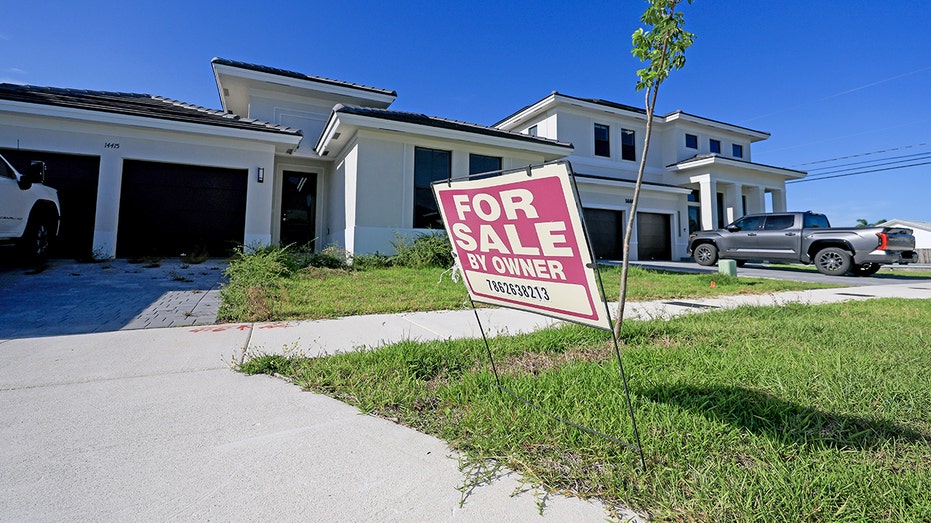
Housing costs have surged over the last decade, making it harder for Americans to own a home. (Joe Raedle/Getty Images / Getty Images)
Jim Tobin, CEO of the National Association of Home Builders, mentioned that his organization is actively collaborating with the administration to advocate for policies that could lower building costs. He emphasized that corporate investment has played a crucial role in this endeavor.
“Corporate investment in housing has significantly contributed to new home construction,” Tobin stated.
Since the 2008 financial crisis, Wall Street firms like Blackstone, American Homes 4 Rent, and Progress Residential have acquired thousands of homes, owning about 3% of all single-family rental properties by June 2022, according to government data.
GET FOX BUSINESS ON THE GO BY CLICKING HERE
These firms argue that their investments have not driven inflation in housing prices, with Blackstone highlighting that it has been a net seller of homes for the past decade.
Reuters contributed to this report.
First Trust Advisors L.P. chief economist Brian Wesbury weighs in on whether inflation has been defeated and the Trump administration’s plan for 401(k) home down payments on Varney & Co.
President Donald Trump’s recent initiative to limit Wall Street investors from purchasing single-family homes aims to enhance affordability. However, many investors caution that this move could inadvertently escalate housing prices.
On Tuesday, Trump signed an executive order directing federal regulators to facilitate home sales to individuals while preventing federal programs from aiding single-family home purchases by Wall Street investors. The order also calls for antitrust reviews of institutional home acquisitions and urges Congress to formalize these changes into law.
This executive action is part of the White House’s broader strategy to tackle the affordability crisis in housing. However, investors warn that such restrictions may inadvertently increase demand without addressing supply issues, leading to further price hikes.
“The affordability issue in housing isn’t about demand; there’s ample demand. It’s fundamentally a supply issue,” stated David Wagner, head of equities and portfolio manager at Aptus Capital Advisors. “This will only fuel more demand, which will drive asset prices higher.”
TRUMP MOVES TO BLOCK WALL STREET FROM BUYING SINGLE-FAMILY HOMES IN SWEEPING NEW EXECUTIVE ORDER
Trump’s executive order seeks to restrict the ability of Wall Street firms to buy single-family houses. (Yuki Iwamura/AFP via Getty Images)
The Trump administration has also aimed to lower construction costs, yet the federal government has limited tools to enhance housing supply, as most laws and regulations are managed at local levels.
“Policies that increase demand without boosting supply will inevitably lead to higher prices,” explained Michael Rosen, chief investment officer at Angeles Investments. “The most effective solution would be to simplify the process for constructing new housing units, although this is challenging at the federal level due to local regulations.”
TRUMP ANNOUNCES PLANS TO BAN INSTITUTIONAL INVESTORS FROM BUYING SINGLE-FAMILY HOMES
Corporate investment can help drive new home construction that boosts supply and eases price pressures. (Matthew Busch/Bloomberg/Getty Images)
Since 2016, housing prices in the U.S. have surged by approximately 75%, significantly outpacing the overall consumer price index (CPI) growth. However, recent trends indicate a slowdown, with home prices rising just 1.7% year-over-year in October—the smallest increase in a decade.
The National Association of Realtors has reported a gradual improvement in housing supply over the past year, contributing to the deceleration in price growth.
POWELL SAYS RATE CUTS WON’T MAKE ‘MUCH OF A DIFFERENCE’ FOR STRUGGLING HOUSING SECTOR
Housing costs have surged over the last decade, making it harder for Americans to own a home. (Joe Raedle/Getty Images / Getty Images)
Jim Tobin, CEO of the National Association of Home Builders, mentioned that his organization is actively collaborating with the administration to advocate for policies that could lower building costs. He emphasized that corporate investment has played a crucial role in this endeavor.
“Corporate investment in housing has significantly contributed to new home construction,” Tobin stated.
Since the 2008 financial crisis, Wall Street firms like Blackstone, American Homes 4 Rent, and Progress Residential have acquired thousands of homes, owning about 3% of all single-family rental properties by June 2022, according to government data.
GET FOX BUSINESS ON THE GO BY CLICKING HERE
These firms argue that their investments have not driven inflation in housing prices, with Blackstone highlighting that it has been a net seller of homes for the past decade.
Reuters contributed to this report.