Texas Power Grid Braces for Major Challenge Amid Season’s Most Intense Storm
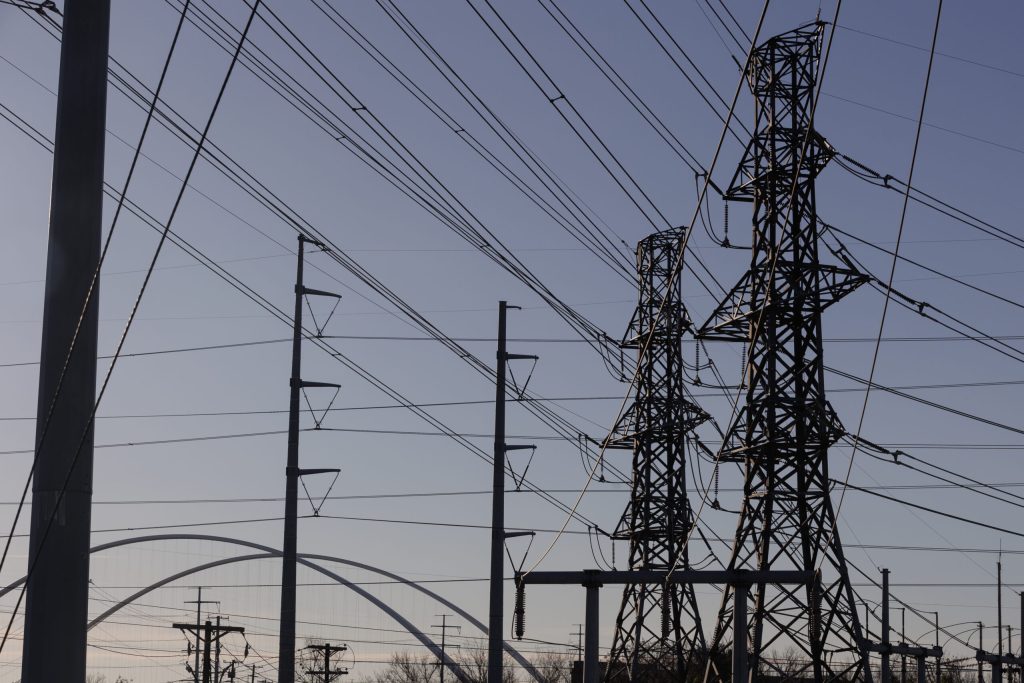
A powerful winter storm is set to hit Texas this Friday, marking one of the most significant challenges for the state’s electric grid since the catastrophic collapse during the deadly freeze in 2021.
Forecasts indicate that the Dallas area will experience ice, while the Panhandle prepares for snow. Austin, the state capital, is expected to see temperatures plummet to 16°F (-9°C), which is about 25°F colder than usual. This frigid weather is anticipated to linger through the weekend, with a gradual warming trend expected early next week, according to Brian Hurley, a senior branch forecaster with the US Weather Prediction Center.
The Electric Reliability Council of Texas (ERCOT), the primary operator of the state’s power grid, issued a weather watch from Saturday through Tuesday. This alert highlights the potential for increased electrical demand and reduced reserves. Nevertheless, ERCOT remains optimistic about the grid’s resilience.
While some conditions mirror those of the infamous February 2021 freeze, which resulted in over 240 fatalities and widespread chaos, this storm is expected to be shorter and less severe. The National Weather Service refers to the 2021 event as the “Great Texas Freeze,” which lasted nearly nine days.
During that crisis, nearly 10 million people across the southern United States lost power, enduring freezing temperatures without heat, light, or the ability to cook. The disaster was the first of its kind to cost over $1 billion in 2021.
In the years since, Texas has made significant investments to strengthen its grid, responding to rising demand driven by population growth, cryptocurrency mining, data centers, and corporate relocations.
As of early Thursday, ERCOT projected a peak demand of 82.6 gigawatts on Monday, surpassing last year’s winter high of 80.2 gigawatts. Fortunately, ERCOT anticipates having enough supply, with a capacity of 93.3 gigawatts (equivalent to a traditional nuclear reactor).
“Texas has seen substantial growth in solar and battery storage capacity — with nearly 40 gigawatts of new solar and storage added between the end of 2021 and 2025,” noted Helen Kou, an analyst at BloombergNEF. “The ongoing expansion of these resources, along with continued winter weatherization investments, will help keep the grid prepared.”
The primary threats posed by this storm include ice accumulation on power lines and trees as temperatures drop. Dallas is expected to reach a low of 8°F on Sunday night, while Houston may see temperatures fall to 22°F. Snow is likely to affect northern Texas and the Panhandle, but many central areas could receive between 0.25 to 0.5 inches of ice, which can cause tree branches to snap and power lines to fall, according to Hurley.
A winter storm watch stretches over 1,800 miles from eastern Arizona to western New York, with extreme cold warnings extending from North Dakota’s border with Canada into Texas. A broad swath of the eastern US, from Washington to New York and into New England, may receive up to 10 inches of snow on Sunday, Hurley added. Air travelers across the country should prepare for potential cancellations and significant delays.
The storm’s most severe impacts are expected across the South, from eastern Texas and Louisiana to Arkansas, and extending into parts of North Carolina, Georgia, and Virginia, where ice accumulation could lead to widespread outages.
“Ice is going to be a bigger deal because it has more impacts,” Hurley emphasized.
In response to the 2021 storm, Texas mandated that generators and power line operators ensure their facilities can function in freezing conditions. The state also implemented market reforms aimed at securing additional power reserves during periods of grid stress.
Officials have improved emergency planning and coordination among utilities, the state grid operator, and state agencies. However, the Texas grid remains relatively isolated from the broader national power network, making the state reliant on its internal supplies.
As the forecast solidifies, the silver lining for Texas is that “it doesn’t seem to be as long” as the 2021 freeze, according to Hurley.
Interested in Windstorm?
Get automatic alerts for this topic.
A powerful winter storm is set to hit Texas this Friday, marking one of the most significant challenges for the state’s electric grid since the catastrophic collapse during the deadly freeze in 2021.
Forecasts indicate that the Dallas area will experience ice, while the Panhandle prepares for snow. Austin, the state capital, is expected to see temperatures plummet to 16°F (-9°C), which is about 25°F colder than usual. This frigid weather is anticipated to linger through the weekend, with a gradual warming trend expected early next week, according to Brian Hurley, a senior branch forecaster with the US Weather Prediction Center.
The Electric Reliability Council of Texas (ERCOT), the primary operator of the state’s power grid, issued a weather watch from Saturday through Tuesday. This alert highlights the potential for increased electrical demand and reduced reserves. Nevertheless, ERCOT remains optimistic about the grid’s resilience.
While some conditions mirror those of the infamous February 2021 freeze, which resulted in over 240 fatalities and widespread chaos, this storm is expected to be shorter and less severe. The National Weather Service refers to the 2021 event as the “Great Texas Freeze,” which lasted nearly nine days.
During that crisis, nearly 10 million people across the southern United States lost power, enduring freezing temperatures without heat, light, or the ability to cook. The disaster was the first of its kind to cost over $1 billion in 2021.
In the years since, Texas has made significant investments to strengthen its grid, responding to rising demand driven by population growth, cryptocurrency mining, data centers, and corporate relocations.
As of early Thursday, ERCOT projected a peak demand of 82.6 gigawatts on Monday, surpassing last year’s winter high of 80.2 gigawatts. Fortunately, ERCOT anticipates having enough supply, with a capacity of 93.3 gigawatts (equivalent to a traditional nuclear reactor).
“Texas has seen substantial growth in solar and battery storage capacity — with nearly 40 gigawatts of new solar and storage added between the end of 2021 and 2025,” noted Helen Kou, an analyst at BloombergNEF. “The ongoing expansion of these resources, along with continued winter weatherization investments, will help keep the grid prepared.”
The primary threats posed by this storm include ice accumulation on power lines and trees as temperatures drop. Dallas is expected to reach a low of 8°F on Sunday night, while Houston may see temperatures fall to 22°F. Snow is likely to affect northern Texas and the Panhandle, but many central areas could receive between 0.25 to 0.5 inches of ice, which can cause tree branches to snap and power lines to fall, according to Hurley.
A winter storm watch stretches over 1,800 miles from eastern Arizona to western New York, with extreme cold warnings extending from North Dakota’s border with Canada into Texas. A broad swath of the eastern US, from Washington to New York and into New England, may receive up to 10 inches of snow on Sunday, Hurley added. Air travelers across the country should prepare for potential cancellations and significant delays.
The storm’s most severe impacts are expected across the South, from eastern Texas and Louisiana to Arkansas, and extending into parts of North Carolina, Georgia, and Virginia, where ice accumulation could lead to widespread outages.
“Ice is going to be a bigger deal because it has more impacts,” Hurley emphasized.
In response to the 2021 storm, Texas mandated that generators and power line operators ensure their facilities can function in freezing conditions. The state also implemented market reforms aimed at securing additional power reserves during periods of grid stress.
Officials have improved emergency planning and coordination among utilities, the state grid operator, and state agencies. However, the Texas grid remains relatively isolated from the broader national power network, making the state reliant on its internal supplies.
As the forecast solidifies, the silver lining for Texas is that “it doesn’t seem to be as long” as the 2021 freeze, according to Hurley.
Interested in Windstorm?
Get automatic alerts for this topic.