Florida Board Proposes New Rules to Combat Fraudulent Engineering Reports in Claims

In recent years, a troubling trend has emerged in Florida’s engineering community, with numerous complaints alleging that some engineers have provided misleading testimony or reports in insurance claims lawsuits. These reports often attribute significant property damage to relatively minor wind events, raising concerns about their validity.
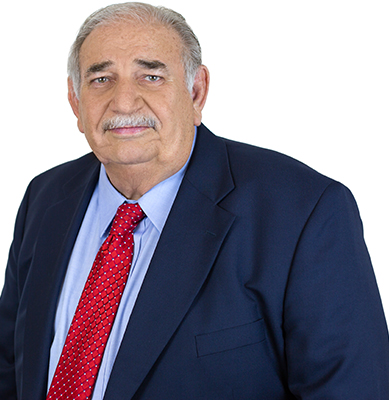
According to insiders and the complaints filed, many expert-witness engineers for plaintiffs have relied on irrelevant or unverified research, or have twisted studies to support the claims of policyholder attorneys. John C. Pistorino, a seasoned structural and civil engineer from Miami, expressed his frustration, stating, “Some of these reports are just fraudulent. The engineer didn’t even go and look at the property—they just looked at photos.”
Pistorino highlighted the prevalence of questionable engineering assessments in Florida. He noted that one testifying engineer claimed to have authored as many as 300 reports in a single year, a figure that raises doubts about the thoroughness of such investigations.
Despite a rising number of complaints—from just one in 2021 to at least nine in 2023—the Florida Board of Professional Engineers appears limited in its ability to discipline engineers accused of fraud. Pistorino and others familiar with the situation argue that the Board lacks clear rules regarding engineers’ ethical responsibilities when drafting damage assessments. This often reduces the issue to a matter of “professional opinion,” making it challenging to penalize fraudulent claims.
Most of the Board’s existing regulations focus on design standards for new projects. Pistorino pointed out in a recent article that the Board’s prosecuting attorney has difficulty establishing probable cause against engineers, even when complaints are valid, due to the absence of specific rules governing reports on damaged buildings.
“I’m frustrated. Engineers for insurance companies are frustrated,” Pistorino lamented, noting that the questionable reports are costing businesses and homeowners millions annually as insurers litigate or settle claims that may not warrant payouts. This has led some carriers to refuse coverage for homes with roofs older than 15 years and to increase premiums.
However, there may be hope on the horizon. The Board of Engineers is currently drafting rules that will specifically address engineers’ practices and protocols for writing damage reports. The proposed rules would require engineers to meet several criteria, including citing applicable building codes and industry standards, explaining the mechanisms of failure, and providing meteorological documentation relevant to the weather events in question.
Tile roofs, which are common in Florida, have been particularly prone to exaggerated damage claims. Under the new rules, assessments for steep slope/concrete or clay tile roofs must include published research, test results, and other engineering principles that support the findings.
Additionally, engineers will be required to comply with the Board’s general responsibility rules and conduct evaluations according to the American Society of Civil Engineers’ standards. They must also verify the accuracy of information recorded by their representatives during site visits.
George Miles, a Daytona Beach consulting engineer known for whistleblowing in Florida’s engineering and insurance sectors, has filed multiple complaints against engineers for damage reports based on false conclusions or irrelevant research. He has scrutinized depositions in insurance cases, revealing instances where engineers incorrectly attributed wind damage to pre-existing conditions.
Insurance attorneys argue that the best defense against dubious claims is to challenge the plaintiffs’ expert witnesses in court. Some believe that stricter rules could help curb the “cottage industry” of paid plaintiffs’ engineering reports, discourage fraudulent assessments, and reduce questionable insurance claims.
While some plaintiffs’ lawyers argue that engineers should retain the freedom to counter insurance company denials, the effectiveness of the new rules will depend on the enforcement mechanisms the Board adopts. Final adoption of these rules could take several months, with a legal notice published once the Board finalizes the proposed changes. Interested parties will have 21 days to comment, followed by a potential additional comment period if revisions are made.
Ultimately, the new rules aim to provide clearer guidelines to prevent fraud in engineering assessments. Pistorino, despite having little to gain personally, emphasizes the need for more specific regulations to protect the integrity of the profession.
Comments on the proposed rules can be sent to Board@fbpe.org. The proposed rules can be viewed here.
Related: How One Florida Engineer Tried to Blow the Whistle on Others
In recent years, a troubling trend has emerged in Florida’s engineering community, with numerous complaints alleging that some engineers have provided misleading testimony or reports in insurance claims lawsuits. These reports often attribute significant property damage to relatively minor wind events, raising concerns about their validity.
According to insiders and the complaints filed, many expert-witness engineers for plaintiffs have relied on irrelevant or unverified research, or have twisted studies to support the claims of policyholder attorneys. John C. Pistorino, a seasoned structural and civil engineer from Miami, expressed his frustration, stating, “Some of these reports are just fraudulent. The engineer didn’t even go and look at the property—they just looked at photos.”
Pistorino highlighted the prevalence of questionable engineering assessments in Florida. He noted that one testifying engineer claimed to have authored as many as 300 reports in a single year, a figure that raises doubts about the thoroughness of such investigations.
Despite a rising number of complaints—from just one in 2021 to at least nine in 2023—the Florida Board of Professional Engineers appears limited in its ability to discipline engineers accused of fraud. Pistorino and others familiar with the situation argue that the Board lacks clear rules regarding engineers’ ethical responsibilities when drafting damage assessments. This often reduces the issue to a matter of “professional opinion,” making it challenging to penalize fraudulent claims.
Most of the Board’s existing regulations focus on design standards for new projects. Pistorino pointed out in a recent article that the Board’s prosecuting attorney has difficulty establishing probable cause against engineers, even when complaints are valid, due to the absence of specific rules governing reports on damaged buildings.
“I’m frustrated. Engineers for insurance companies are frustrated,” Pistorino lamented, noting that the questionable reports are costing businesses and homeowners millions annually as insurers litigate or settle claims that may not warrant payouts. This has led some carriers to refuse coverage for homes with roofs older than 15 years and to increase premiums.
However, there may be hope on the horizon. The Board of Engineers is currently drafting rules that will specifically address engineers’ practices and protocols for writing damage reports. The proposed rules would require engineers to meet several criteria, including citing applicable building codes and industry standards, explaining the mechanisms of failure, and providing meteorological documentation relevant to the weather events in question.
Tile roofs, which are common in Florida, have been particularly prone to exaggerated damage claims. Under the new rules, assessments for steep slope/concrete or clay tile roofs must include published research, test results, and other engineering principles that support the findings.
Additionally, engineers will be required to comply with the Board’s general responsibility rules and conduct evaluations according to the American Society of Civil Engineers’ standards. They must also verify the accuracy of information recorded by their representatives during site visits.
George Miles, a Daytona Beach consulting engineer known for whistleblowing in Florida’s engineering and insurance sectors, has filed multiple complaints against engineers for damage reports based on false conclusions or irrelevant research. He has scrutinized depositions in insurance cases, revealing instances where engineers incorrectly attributed wind damage to pre-existing conditions.
Insurance attorneys argue that the best defense against dubious claims is to challenge the plaintiffs’ expert witnesses in court. Some believe that stricter rules could help curb the “cottage industry” of paid plaintiffs’ engineering reports, discourage fraudulent assessments, and reduce questionable insurance claims.
While some plaintiffs’ lawyers argue that engineers should retain the freedom to counter insurance company denials, the effectiveness of the new rules will depend on the enforcement mechanisms the Board adopts. Final adoption of these rules could take several months, with a legal notice published once the Board finalizes the proposed changes. Interested parties will have 21 days to comment, followed by a potential additional comment period if revisions are made.
Ultimately, the new rules aim to provide clearer guidelines to prevent fraud in engineering assessments. Pistorino, despite having little to gain personally, emphasizes the need for more specific regulations to protect the integrity of the profession.
Comments on the proposed rules can be sent to Board@fbpe.org. The proposed rules can be viewed here.
Related: How One Florida Engineer Tried to Blow the Whistle on Others